
Taking the fight to RSV from all angles
Respiratory Syncytial Virus (RSV) is a year-round threat to the health of babies and young children, and one of the leading causes of infant hospitalisation in Australia. It is highly contagious and can cause anything from mild cold-like symptoms to severe lung infections such as bronchiolitis and pneumonia. For n
Respiratory Syncytial Virus (RSV) is a year-round threat to the health of babies and young children, and one of the leading causes of infant hospitalisation in Australia. It is highly contagious and can cause anything from mild cold-like symptoms to severe lung infections such as bronchiolitis and pneumonia. For newborns and infants, RSV can escalate quickly, often requiring hospital care and, in some cases, intensive treatment.
At The Kids Research Institute Australia, our researchers are tackling RSV from every angle to better understand how the virus spreads in communities, identify which children are most at risk, evaluate the real-world impact of new immunisation programs, and ensure families and policymakers have the evidence they need to make informed decisions. Together, their work is reshaping how we prevent and respond to RSV, with the goal of reducing hospitalisations and protecting children at scale.
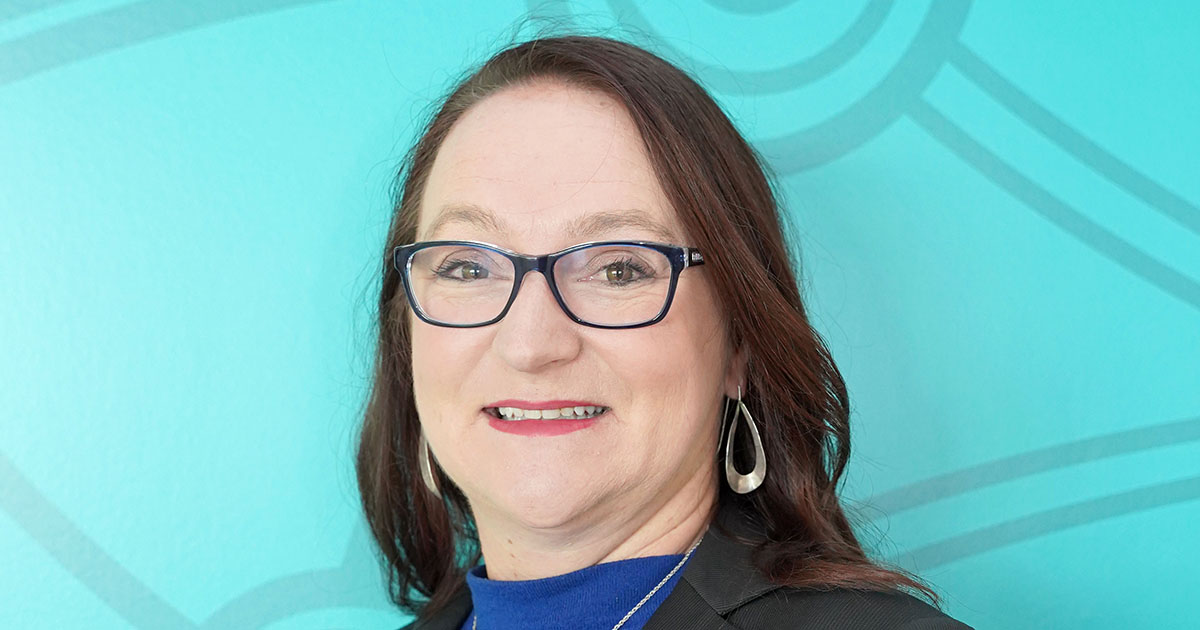
Professor Hannah Moore OAM
Theme Head, Infectious Diseases; Co-Head Infectious Disease Epidemiology
I lead a holistic program of RSV research with a focus on identifying gaps in community awareness of RSV disease severity so we can better inform the community of the importance of immunisations, while also helping community and healthcare providers navigate the complex RSV immunisation landscape (maternal vaccination and infant immunisation). My research looks at the population-level epidemiology of RSV in terms of risk factors and seasonal trends across different groups to ensure that we can provide the rationale for ongoing immunisation programs, as well as the evaluation of those programs. In short, my research established the need for RSV immunisation programs and now focuses on how well those immunisations are performing to reduce the burden.
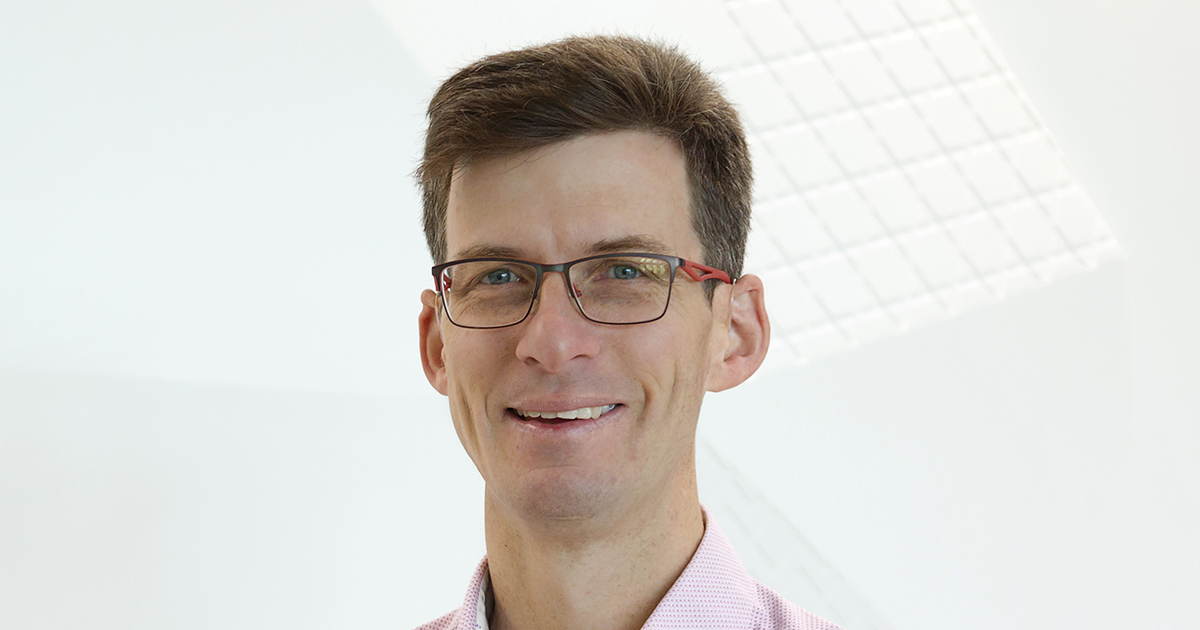
Professor Chris Blyth
Co-Head, Infectious Diseases Epidemiology, Wesfarmers Centre of Vaccines and Infectious Diseases
My research focuses on understanding the impact of the current infant RSV prevention programs, operating at both state and federal levels. I have established both state and national programs tracking RSV admissions to children’s hospitals. These programs are helping us to understand the effectiveness of both the maternal vaccine and infant immunisation, assessing how immunisation is changing the epidemiology of RSV, identifying the infants who remain at risk of RSV and tracking how the virus is evolving in response to the prevention program. I am also piloting programs to determine how common RSV is in communities. This data is provided directly to policy makers, to help optimise RSV prevention programs being offered to all Australian children.
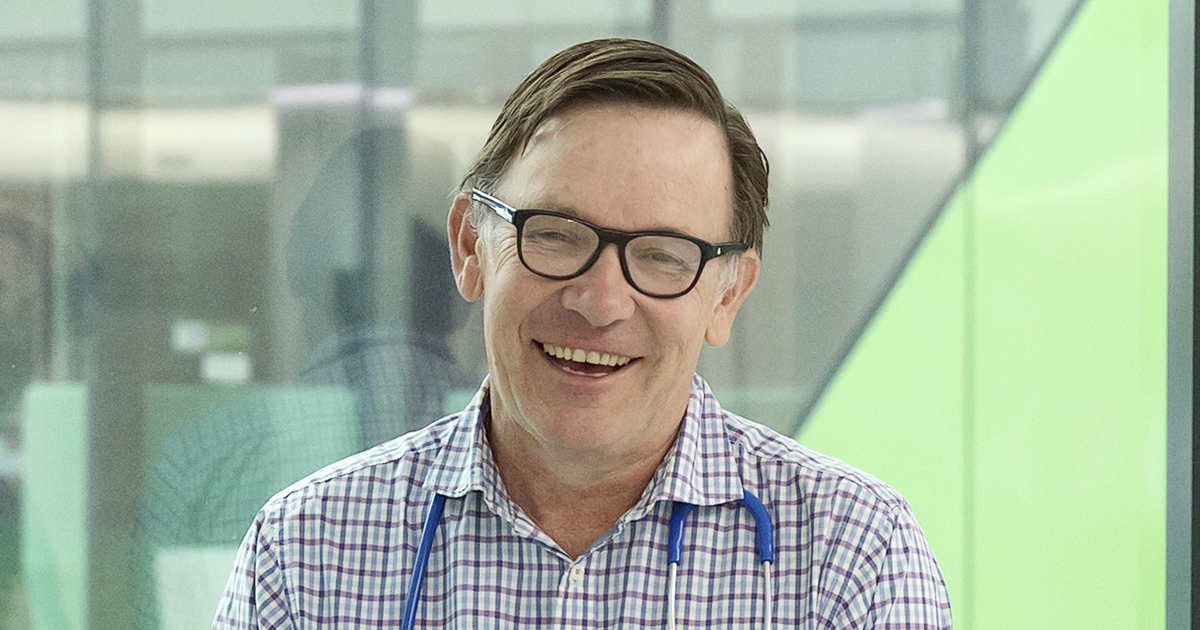
Professor Peter Richmond
Head, Vaccines Trials Group
RSV is one of the leading causes of serious lung infections in babies, and my research has focused on finding better ways to protect infants before they become sick. I helped lead international studies that showed RSV vaccines given during pregnancy, and long-acting antibodies given to babies, are safe and highly effective at preventing severe illness and hospitalisation. Our research helped inform the rollout of RSV protection programs across Australia, preventing hundreds of infant hospitalisations in Western Australia alone. Today, I’m leading national research to measure the real-world impact of these vaccines and working to ensure more families can access this life-saving protection.
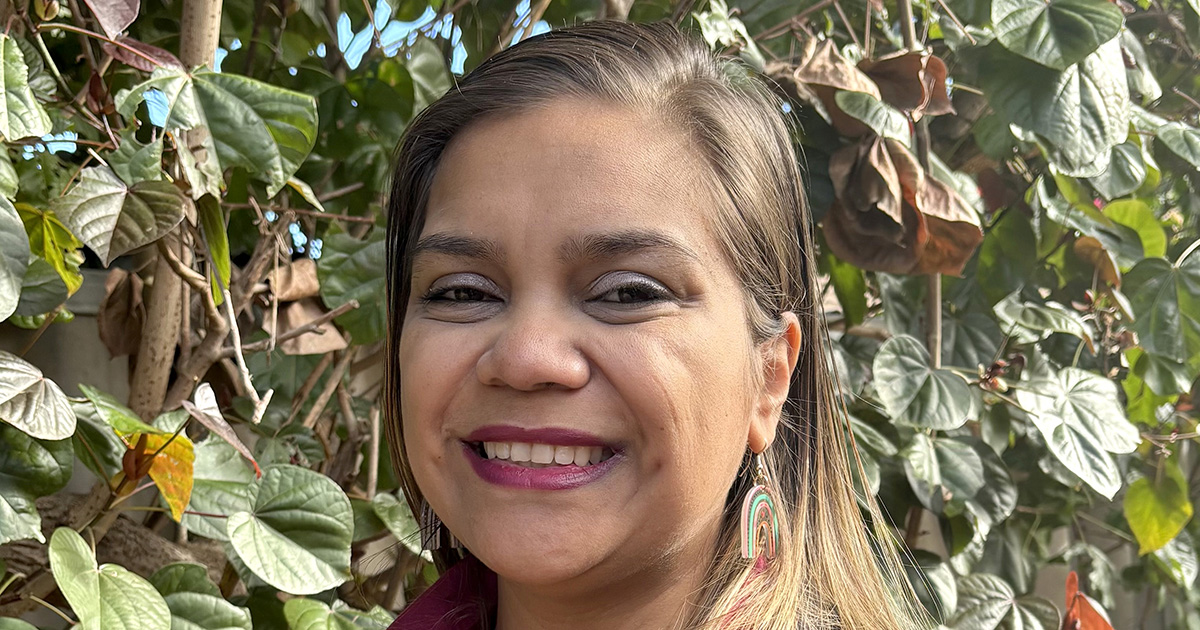
Jenna-Lee Rodney
Aboriginal Project Coordinator, Infectious Disease Epidemiology
I am a proud Whadjuk and Ballardong yok (woman) with kinship ties through Western Australia and Victoria. I am a mum, aunty and nanna to many kulungas (children) of all ages. The research I am supporting the Infectious Diseases and Epidemiology Team with is the Danjoo Waark-aning (Talking Together) Project. Creating awareness of RSV and understanding the attitudes towards RSV within the Aboriginal and Torres Strait Islander community is my focus. Reducing the hospitalisation rate of Aboriginal and Torres Strait Islander babies with RSV is the goal. Keeping our kulungas safe and protected is everyone’s business.
Dr Ushma Wadia
Clinician-scientist at the Wesfarmers Centre of Vaccines and Infectious Diseases
I am a PhD candidate and clinician-researcher focused on improving child health through immunisation, with a particular emphasis on evaluating how well RSV immunisation programs protect babies and young children in Western Australia and nationally. Through hospital surveillance studies and using real-world health data, I examine program effectiveness, impact, and delivery to understand how well the RSV immunisation program is working and keeping children out of hospitals. My research supports informed public health decisions, builds community confidence in RSV immunisation, and helps ensure children and families receive the best possible protection from severe respiratory disease.
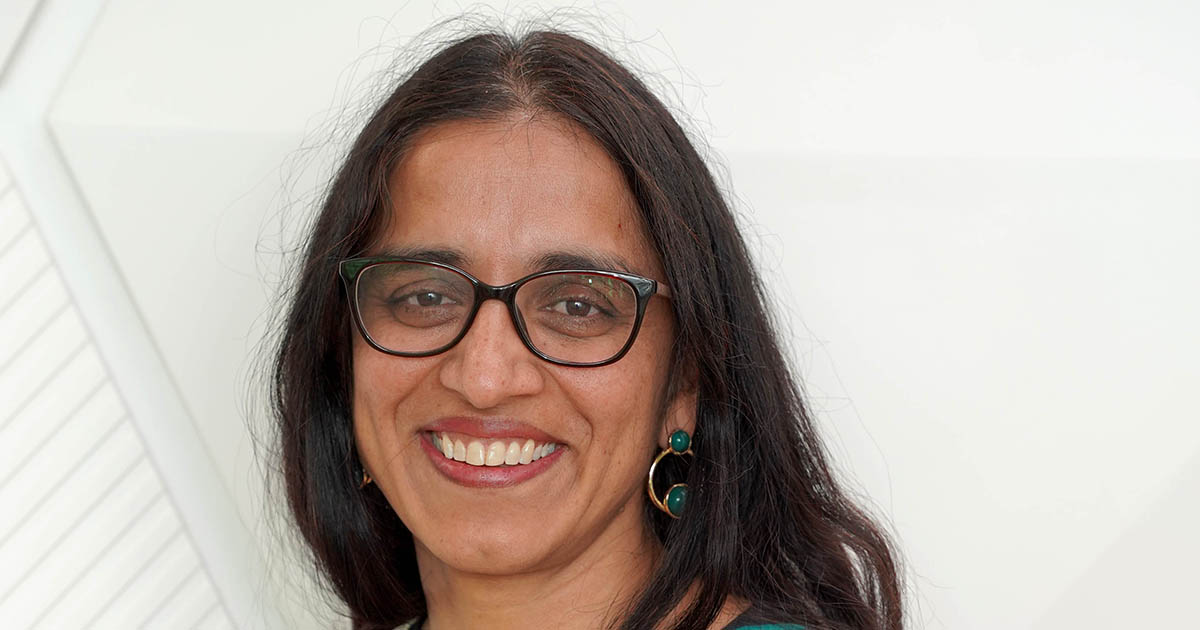
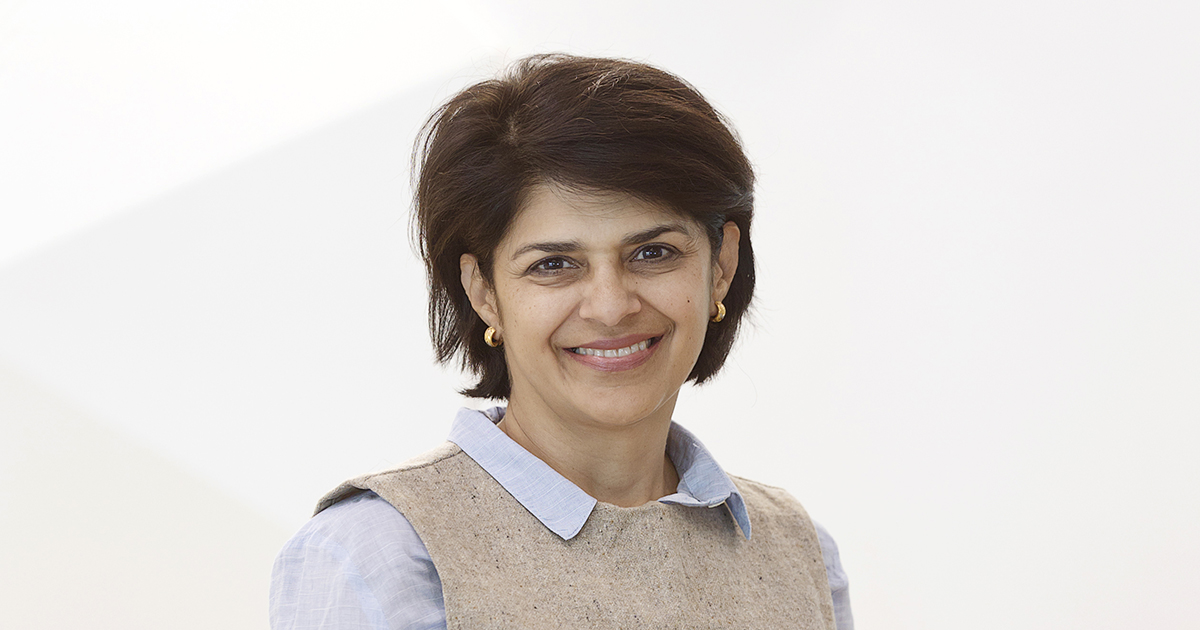
Dr Minda Sarna
Infectious Diseases Epidemiologist and Senior Research Officer
RSV is a common childhood virus, and most children will have at least one infection before they are two. While many cases are mild, some children have a more severe illness and may need to be hospitalised. My current work focuses on estimating the cost of RSV hospitalisations to the health system. I also examine how many admissions could be averted – and the associated cost savings – through new prevention strategies, including the nirsevimab monoclonal antibody and RSV maternal vaccine program. This type of analysis helps inform decisions about whether vaccination programs offer good value for money.
First published Monday 8 June 2026.
View all news articles