
One in 12 people. $7 trillion a year. Ninety-five per cent without treatment. The leading cause of death among children.
For many families, the rare disease journey begins the same way. A child develops symptoms no one can explain. Referrals follow – one specialist, then another. Months pass. Sometimes years. On average, patients wait more than four years for a diagnosis. Many never receive one.
More than 300 million people worldwide live with a rare disease. The global economic cost exceeds $7 trillion annually; that’s more than the GDP of Japan and Germany combined. Around 95 per cent of rare conditions still have no approved treatment, and nearly 70 per cent present in childhood.
Yet rare disease research has become a powerful engine of medical innovation. Gene therapies, mRNA vaccines, precision oncology and accelerated regulatory pathways all have roots in rare disease contexts before being applied more broadly.
That impact is now being recognised on the global stage. Recently, researchers from The Kids Research Institute Australia, Perth Children’s Hospital and The University of Western Australia contributed to three major international publications, collectively reinforcing rare diseases as a critical, community-wide health priority.
Global spotlight on WA research
Across The Lancet, Nature and the World Economic Forum, Perth-based researchers are helping reshape how rare diseases are diagnosed, understood and prioritised.
Together, the publications – spanning clinical communication, artificial intelligence and health economics – signal a broader shift: rare diseases are not a niche concern, but central to the future of healthcare systems worldwide.
Rethinking how clinicians communicate
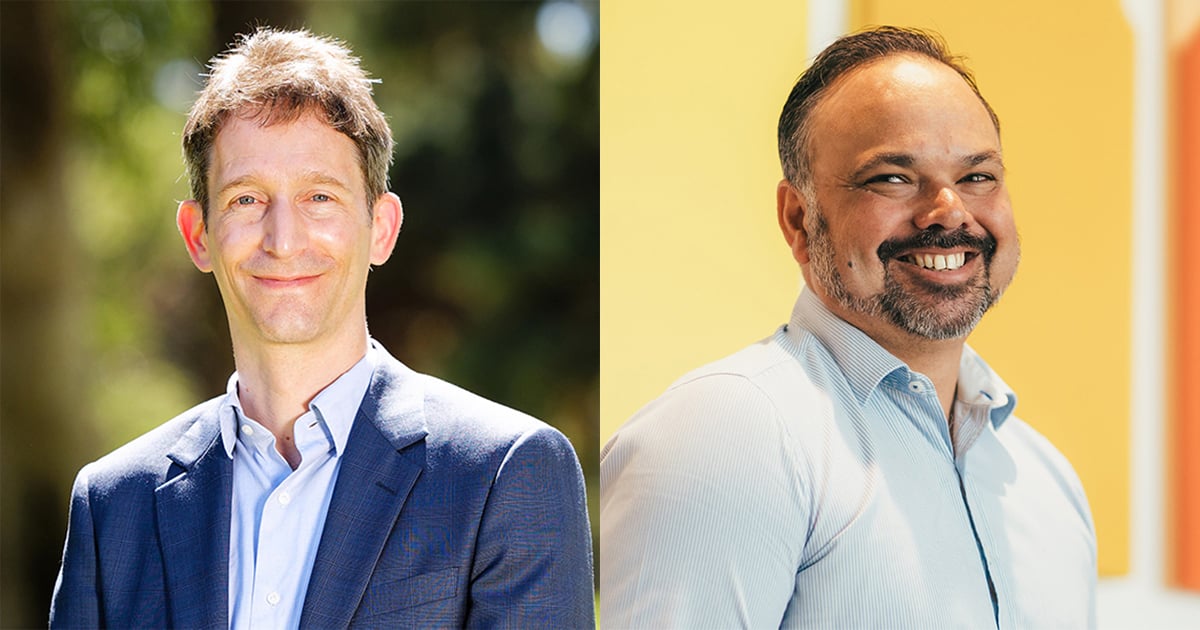
In a Lancet paper, Medical Director of the Rare Care Centre at Perth Children’s Hospital Professor Gareth Baynam called for a fundamental shift in how clinicians communicate with patients and families.
For parents already overwhelmed by a diagnosis they have never heard of, language matters. The way a condition is explained can shape how families understand their child’s future.
The paper argues that empathetic, culturally safe communication is not just a “soft skill” but a clinical necessity and a “therapeutic imperative.”
His paper highlighted how genetic inheritance has been explained to Aboriginal Australian communities using the concept of Songlines – oral maps that encode knowledge, law and ancestry across generations – to make complex science more accessible and meaningful.
AI shows promise in ending diagnostic delays
In a Nature News & Views article, Dr Timo Lassmann from The Kids’ Computational Biology team examined DeepRare, an AI system capable of diagnosing rare diseases more accurately than experienced physicians using conventional tools.
The system integrates symptom extraction, literature searches, case matching and genetic analysis. Tested across more than 6,400 cases, it achieved diagnostic accuracy comparable to specialist clinicians.
For families facing years of uncertainty, the implications are significant. Beyond improved accuracy, the system offers transparency, with medical experts validating its reasoning in 95 per cent of cases, helping build trust in how diagnoses are reached.
The economic case for change
A recent World Economic Forum white paper, co-authored by Professor Baynam, set out the economic case for prioritising rare diseases.
It identified five strategies to strengthen rare disease data systems and highlights the cost of delay. A 2022 study found that diagnostic delays across just seven rare conditions led to avoidable costs of up to US$517,000 per patient. The Rare Care Centre was identified as a global exemplar for improved health and well-being that also generates a 5:1 return on investment. Reducing suffering, saving money for the benefit of everyone.
Behind each figure is a family covering costs, missing work and waiting for answers. Scaled across more than 7,000 recognised conditions, the cumulative burden reaches into the trillions.
A turning point
Behind every statistic is a child moving between specialists without answers, and a family navigating a system not designed for them.
Together, these recent publications point to a turning point: one where AI shortens the path to diagnosis, where clinicians communicate with clarity and cultural understanding, and where data drives more accountable health systems.
That future is already taking shape right here in Perth, placing rare diseases firmly at the centre of global health innovation.
First published Thursday 26 March 2026.
View all news articles