
Tracking the impact of early treatment in young children with cystic fibrosis
For decades, cystic fibrosis (CF) meant a life shaped by daily treatments, frequent hospitalisations, and an uncertain future. The arrival of CFTR modulators has changed that picture dramatically, and researchers at the Wal-yan Respiratory Research Centre now want to understand the bigger picture.
For decades, cystic fibrosis (CF) meant a life shaped by daily treatments, frequent hospitalisations, and an uncertain future. The arrival of CFTR modulators has changed that picture dramatically, and researchers at the Wal-yan Respiratory Research Centre now want to understand the bigger picture.
CFTR modulators work differently to previous CF treatments. Rather than managing the downstream effects of the disease, including infections, mucus buildup, and lung damage, they correct the underlying protein defect that causes CF in the first place, helping lung cells to function more normally.
For children aged two and older, highly effective triple combination modulator therapies became available on Australia's PBS in 2024, now reaching around 90-95 per cent of eligible kids with CF. Clinical trial results have been remarkable. But what are the long-term effects for children who start modulators at a very young age?
That is the question driving the TIME-CF study.
"Early modulator therapy from the really young ages has the potential to prevent lung disease entirely. We want to understand what that really looks like in practice," lead researcher and Co-Head of the Respiratory Centre's Foundations of Lung Disease team, A/Prof Kathryn Ramsey, said.
"This includes whether infections resolve, whether children stay well when they pick up a virus, and what their quality of life looks like day to day."
TIME-CF is a longitudinal study following all children with CF, aged two to six, attending Perth Children's Hospital. Children are seen every three to six months, with the team collecting data on lung function, symptoms, quality of life, treatment adherence, and infection history.
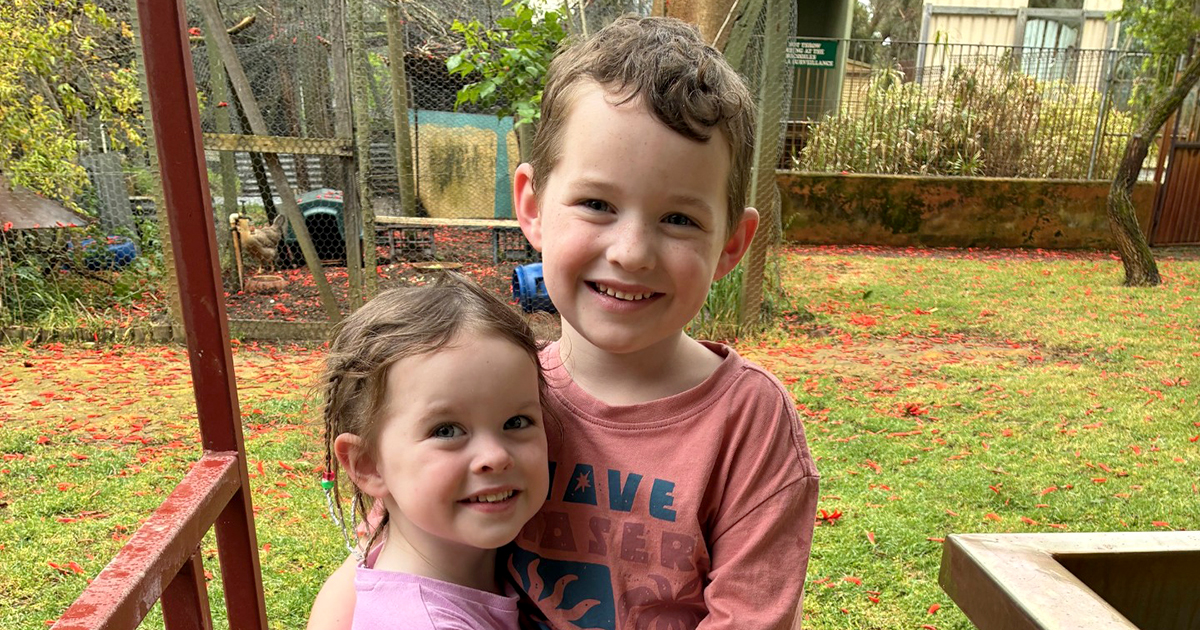
Josephine Flannelly is mum to Lucy, 4, and Jonah,7, who are both enrolled in the TIME-CF study.
"We can see the incredible difference that research has made in the lives of those who live with CF, so we recognise the importance of being involved where we can," Ms Flannelly said.
"We are a family with more than one kid who has CF. It looks like kids with the same gene type and same family can still have different outcomes, and I think it's important to know what is driving this."
This is a key area of focus for the study.
In the pre-modulator era, lung function tests identified abnormal results in 60-70 per cent of preschool children with CF. In the TIME-CF cohort, that figure has dropped to around 25 per cent. For many children, early treatment is helping to maintain healthy lung function, although some are still experiencing impairments.
Understanding what drives outcomes, whether that is the age treatment begins, their infection history, or other factors, will help clinicians tailor care more precisely.
For families whose children are responding well, that could eventually mean fewer hospital visits and lighter daily treatment loads. For those who need more support, it means identifying that earlier and acting on it.
"Doctors do an amazing job managing the serious CF complications that arise in the changing landscape of CF with modulators and more advanced treatments," Ms Flannelly said.
"Even though the new treatments are incredible, doctors need the research to understand the side effects and CF symptoms that are still there."
TIME-CF aims to provide exactly that evidence.
"What we learn from the TIME-CF study will help doctors care for children with CF, optimising both lung health and overall quality of life," Associate Professor Ramsey said.
With almost no published data on the real-world effects of starting modulators from such a young age, this is one of the first studies of its kind globally.
First published Thursday 14 May 2026.
View all news articles