Despite significant advances, cancer is the leading cause of death by disease in young people.
In Australia, more than 1,000 children and adolescents are diagnosed with cancer each year.
Overall, about 80 per cent of children survive their cancer, a rate that reflects major progress over the past decades. However, while survival rates have increased, certain cancers continue to have poor outcomes, and many children experience long-term side effects from their treatment, highlighting the urgent need for more research and better treatment options.
What is the WA Comprehensive Kids Cancer Centre?
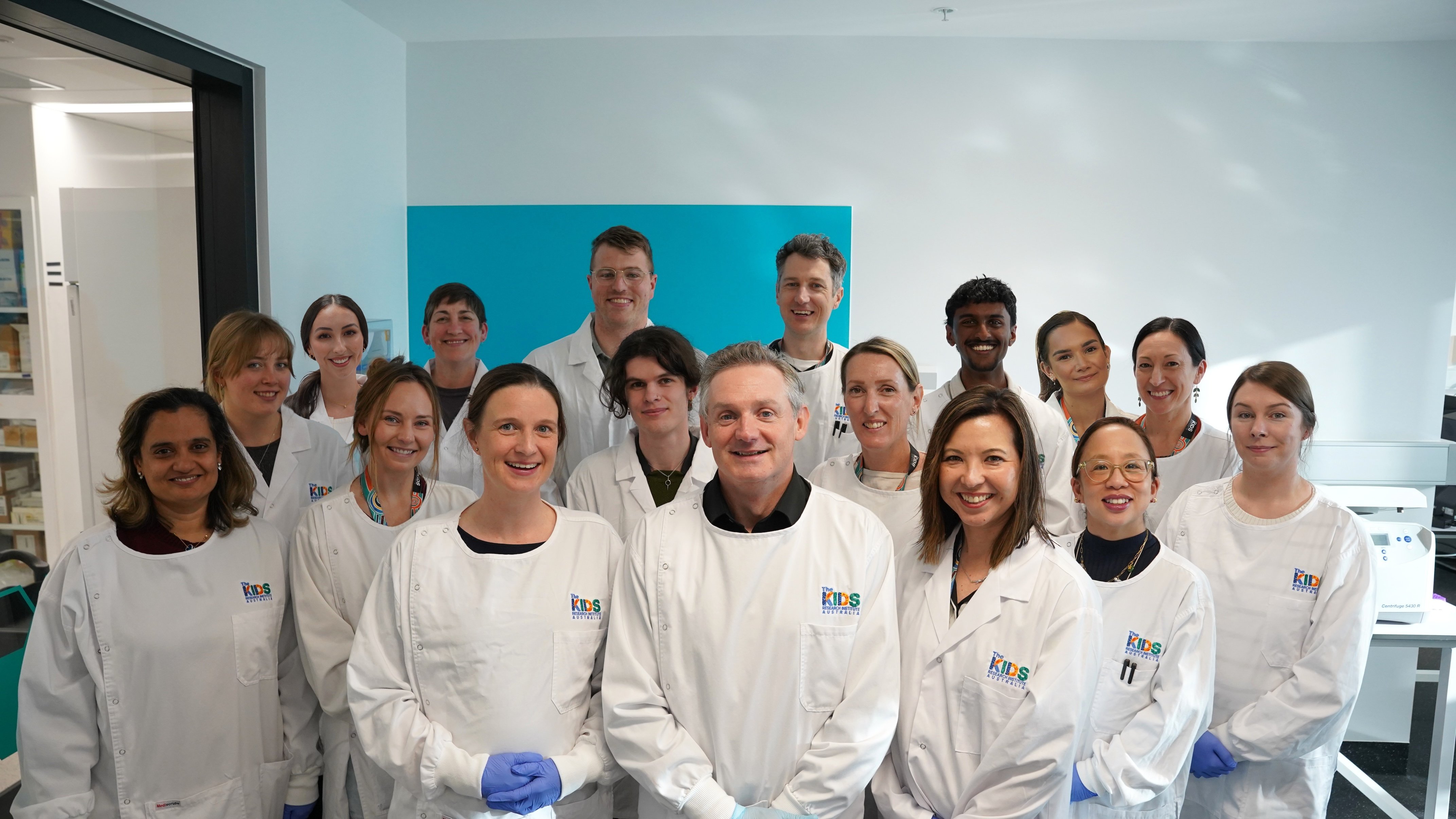
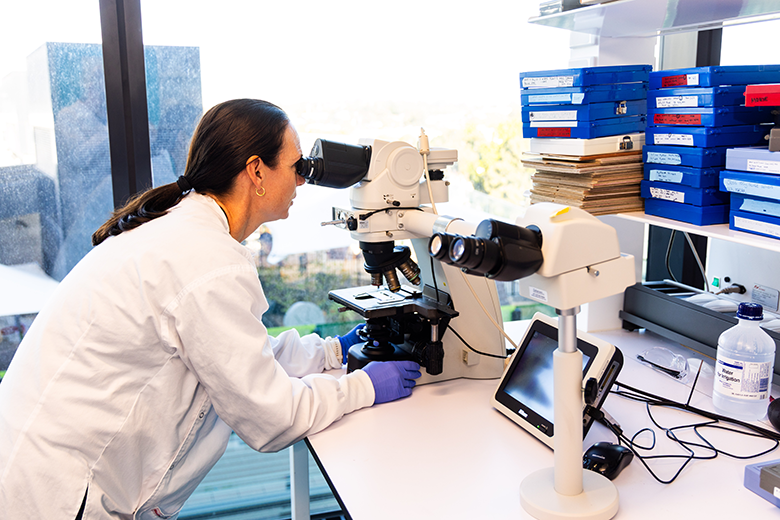
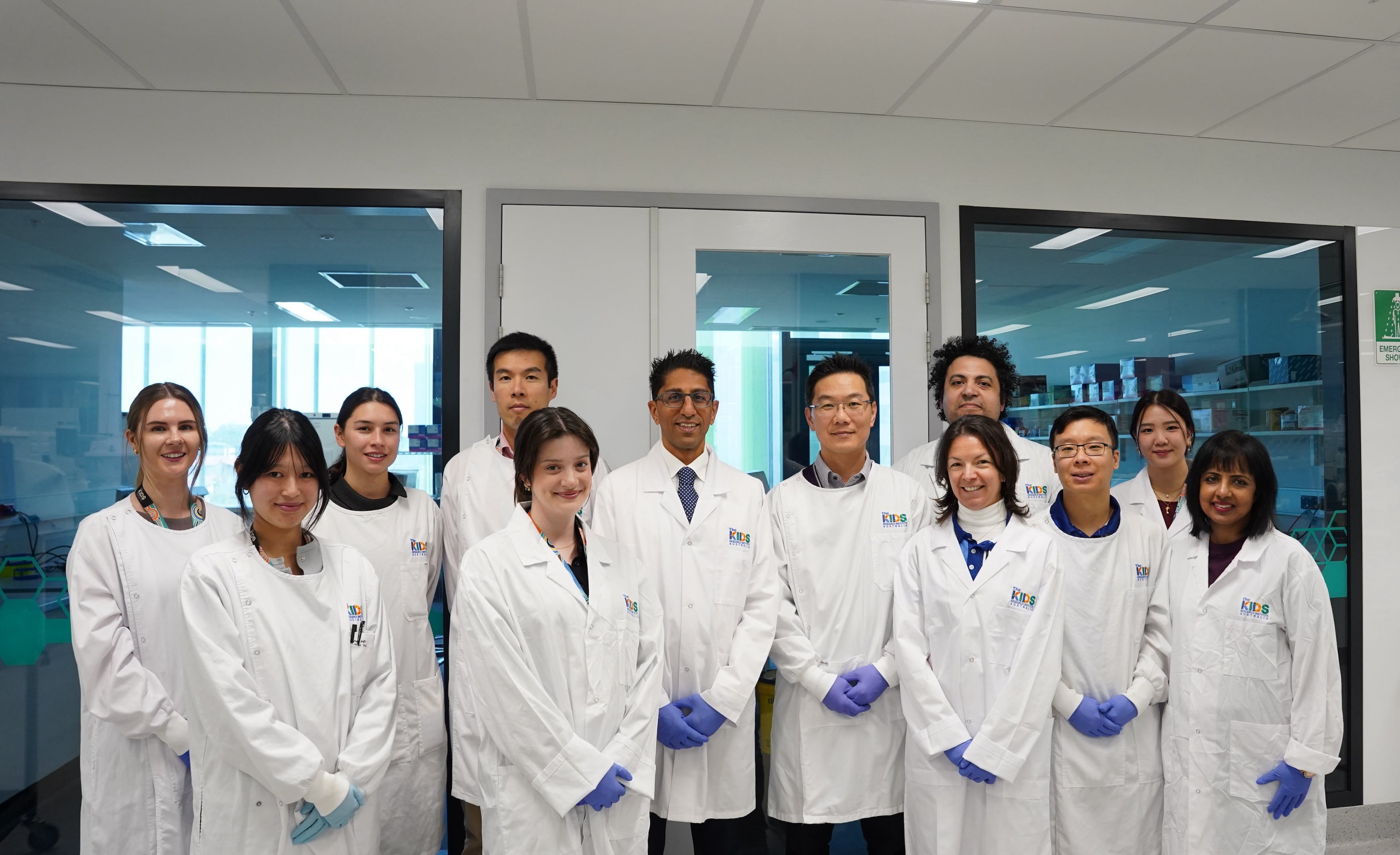
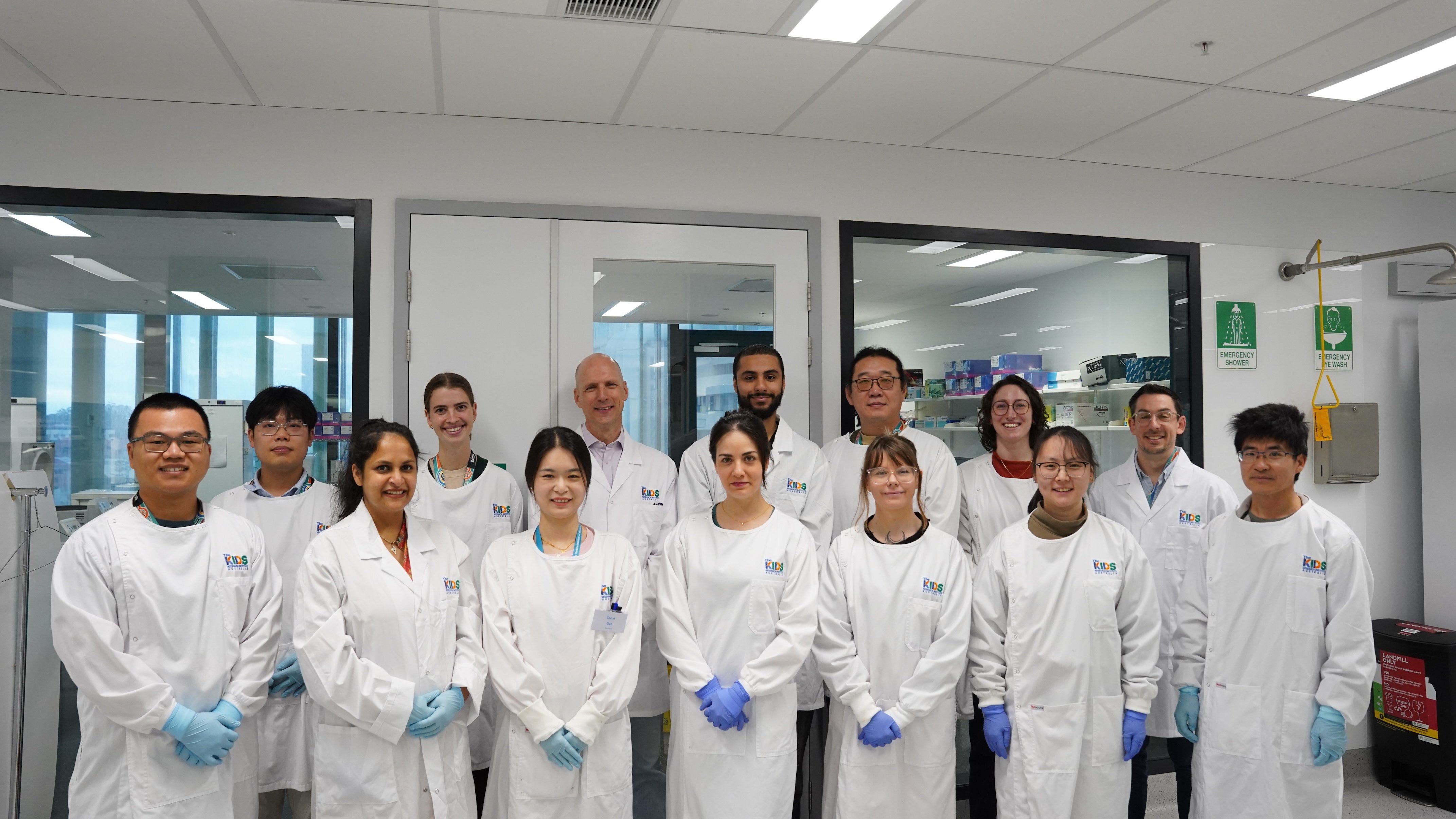
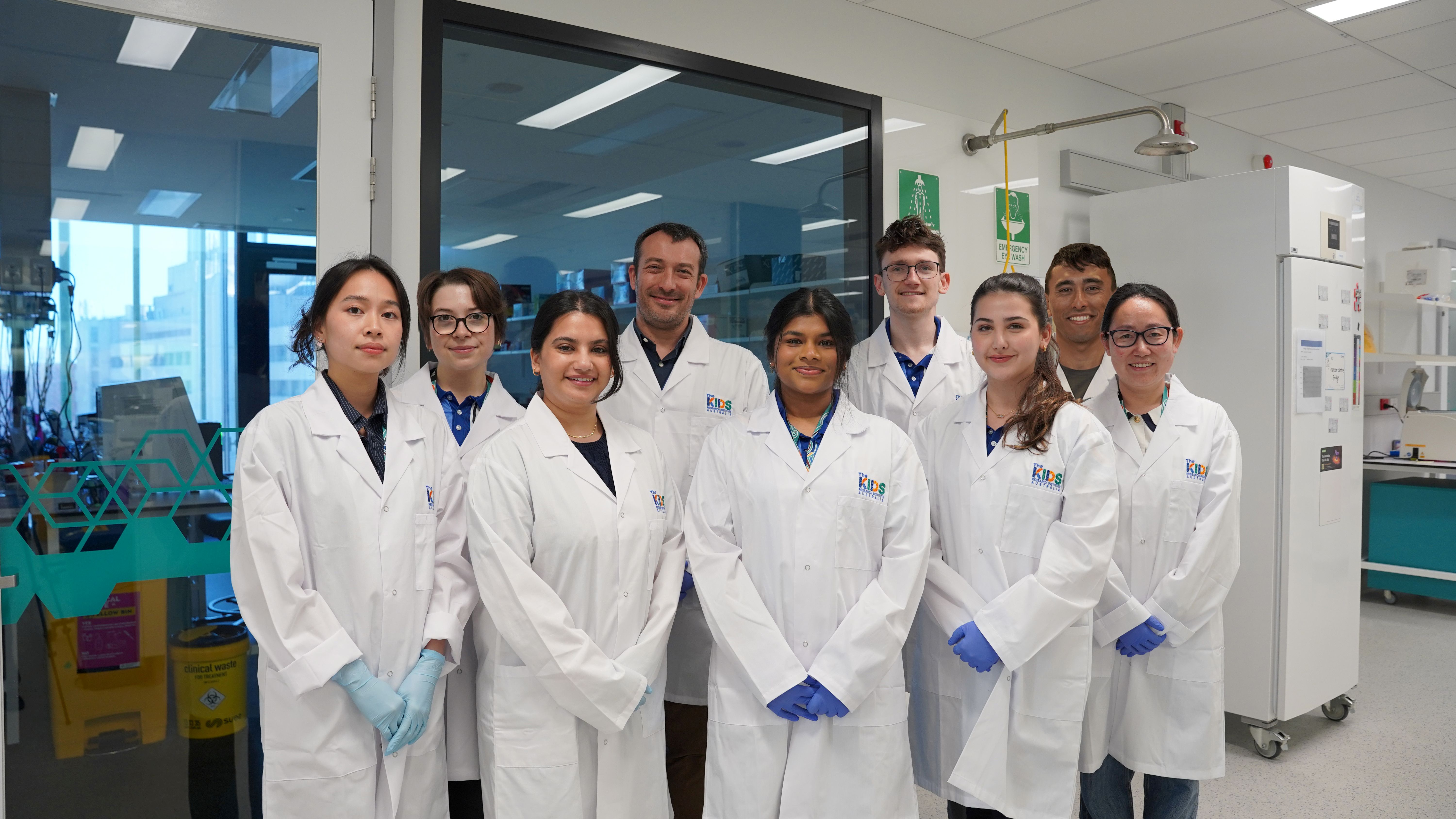
The WA Comprehensive Kids Cancer Centre brings together researchers, clinicians and the community to accelerate safer, more effective treatments for children with cancer. Researchers at The Kids and the University of Western Australia work alongside paediatric cancer specialists at Perth Children’s Hospital, connecting research in the laboratory with clinical care to help discoveries reach children and families sooner.
What is childhood cancer?
Cancer is a complex disease that occurs when cells mutate and begin growing uncontrollably, invading surrounding tissues and spreading to other parts of the body. Compared to adult cancers, childhood cancers appear to strike at random. They develop differently and require different treatment approaches.
There are multiple types of cancer, including leukaemia, brain cancer, sarcomas, and many more subtypes. The WA Comprehensive Kids Cancer Centre focuses on improving outcomes for children through integrated research and clinical care.
How is childhood cancer diagnosed and treated?
Diagnosis typically involves a combination of medical imaging, biopsies, and laboratory tests. Treatment depends on the type and stage of cancer but may include surgery, chemotherapy, radiation therapy, immunotherapy, and participation in clinical trials. Early detection and personalised treatment plans are crucial to maximise survival and minimise long-term effects.
Our focus areas
The WA Comprehensive Kids Cancer Centre is focused on developing safer, more effective treatments for childhood cancers with the vision that all children with cancer can survive and thrive. Our dedicated teams - including both laboratory scientists and clinical team members - are working on collaborative laboratory-based and translational research programs to change the future of childhood cancer treatment.
Our focus areas include:
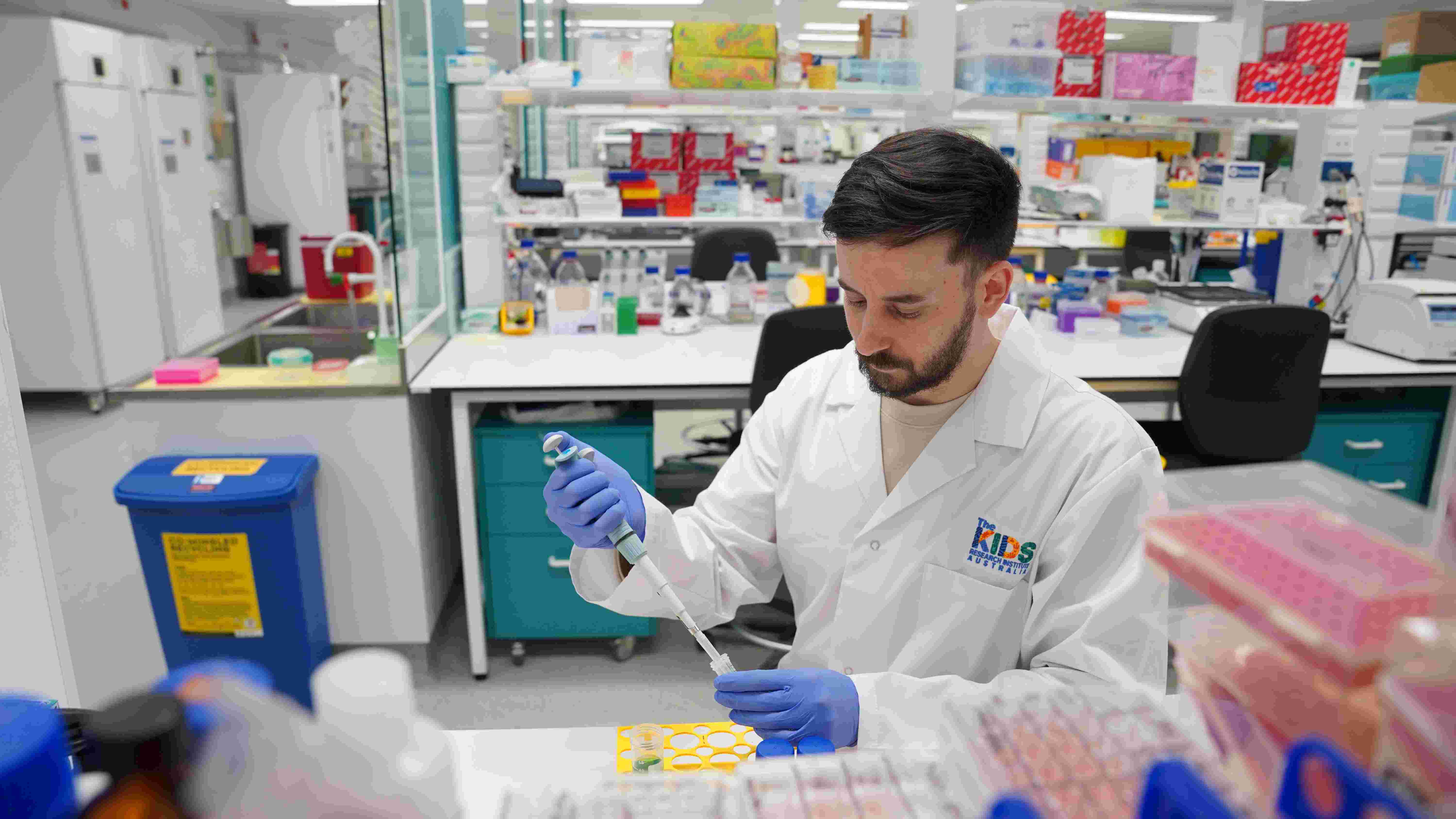
- Paediatric cancer mouse models: Developing world-first childhood cancer mouse models that better reflect how childhood cancers behave and respond to treatment.
- World-leading clinical trials: Our researchers are using laboratory mouse models to inform and develop early-phase trials and determine if new treatments are safe and effective.
- In-depth genetic and cellular analysis: Understanding the unique biology of each child's cancer to enable us to pinpoint vulnerabilities in an individual’s cancer cells and target them with precision for more personalised care.
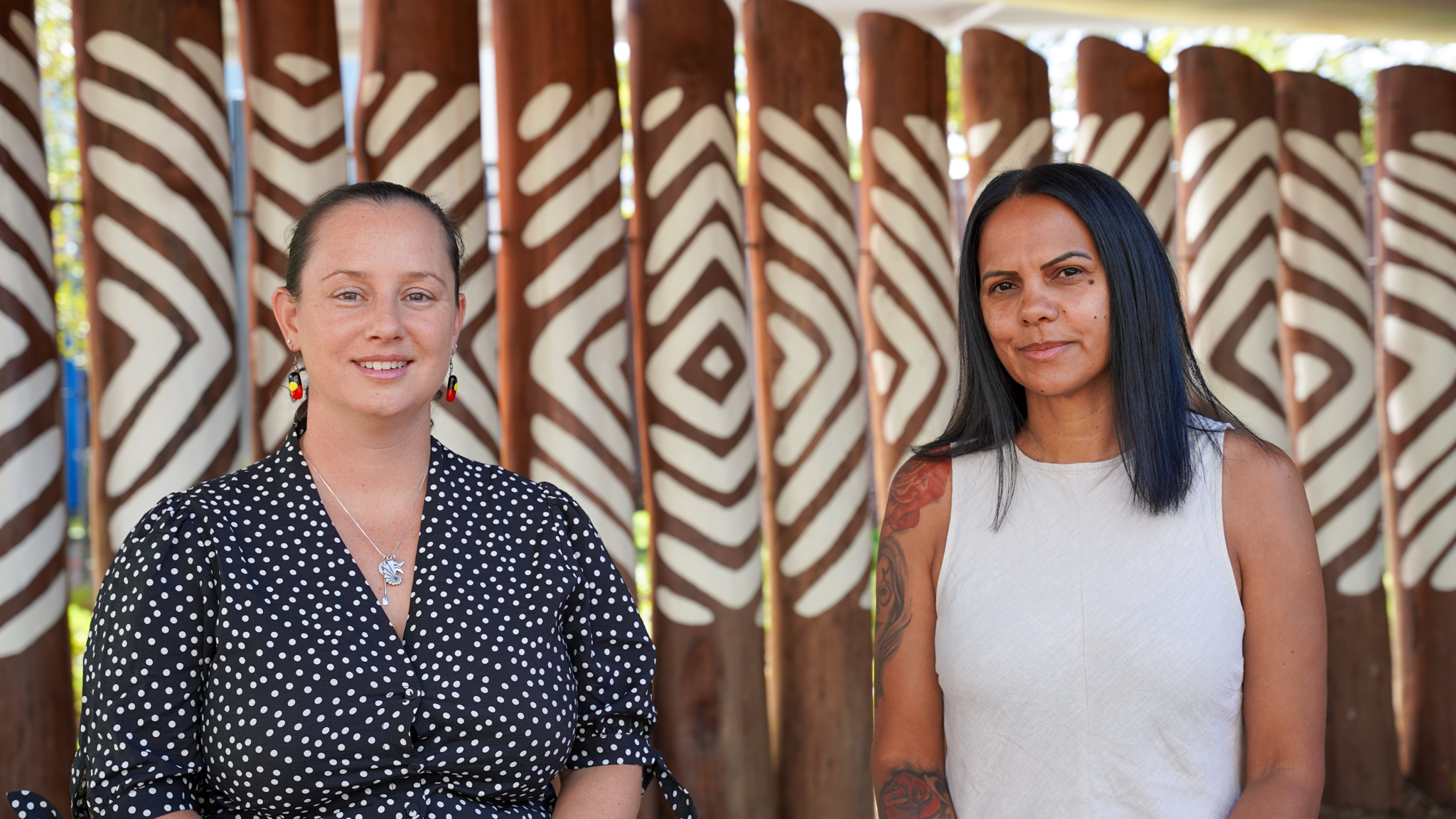
- Improving First Nations outcomes: Developing culturally safe, community-led approaches that address disparities in childhood cancer outcomes.
- Survivorship: Understanding and addressing the long-term impacts of cancer and treatment, both physical and psychosocial. This will enable us to reduce treatment-related side effects and improve quality of life for survivors.
- Optimal treatment combinations: Identifying therapies that work together to improve effectiveness while reducing toxicity.
- Innovative therapies for surgery: Investigating new approaches that use surgical access to deliver treatments directly to tumour sites.
The WA Comprehensive Kids Cancer Centre is a collaboration dedicated to transforming outcomes for children with cancer by seamlessly integrating research and clinical care. By translating world-class research conducted at The Kids Research Institute Australia and The University of Western Australia into quality clinical care delivered at Perth Children's Hospital, we are bridging the gap between discovery and care.
Student Opportunities
We are committed to training the next generation of childhood cancer researchers. We welcome Honours, Master's, PhD, and Doctor of Medicine students to join our research team. Students have access to world-class facilities, cutting-edge technologies and opportunities to work alongside leading childhood cancer laboratory and clinical researchers in a supportive and collaborative environment.
Some of our projects available for 2027 include:
- Developing Innovative Treatments for Paediatric Brain Cancer
- Developing Novel RNA Therapeutics for Local Cancer Immunotherapy During Surgery
- Examining the Experiences of Culturally and Linguistically Diverse (CALD) Families During Childhood Cancer Treatment and Survivorship
- Finding New Cures for Childhood Leukaemia
- First Nations Childhood Cancer Research
- Mapping Childhood Cancer Survivorship in Rural, Regional and Remote Australia: Demographics, Geography and Service Needs
- Reprogramming Childhood Cancer Immunity for Better Immunotherapies
Please refer to pages 14-16, 21-23, 25, and 28 of The Kids Research Institute Australia 2027 Prospective Student Booklet for further details on the above projects. Alternatively, please contact us if you would like the opportunity to meet with our Team Leaders to discuss the projects in further detail.
Interest in helping shape the future of childhood cancer research?