Featured research studies

The studies this project has conducted
We reviewed international literature and found that siblings who had a brother or sister with a neurodevelopmental condition consistently had higher risks of psychiatric conditions, especially anxiety and depression, and poorer quality of life. But there was also clear evidence for sibling resilience and growth.


A recent review we conducted showed that siblings who participated in support groups or individualised interventions improved on self-esteem, coping, sibling relationships, and knowledge of their sibling’s disability. Unfortunately, there were not large improvements seen for symptoms of anxiety, depression, or quality of life. More research is needed on the best way to support these siblings.


We reviewed how linking together population data from different sources can help capture health outcomes of siblings of children with neurodevelopmental conditions. This method showed great potential in exploring diverse health outcomes, allowing more attention and inclusion to be placed on the support needs of siblings.
Read more about the study
Our large-scale online survey showed that siblings of people with neurodevelopmental conditions reported higher rates of anxiety and depression, when compared to siblings of people without neurodevelopmental conditions. They also reported poorer sleep.
Read more about the study“Connecting with others is already valuable, but connecting with others similar to you helps recognise yourself in others and vice versa... I also like making friends” (aged 16)
“Mentorship, new friendship connections, learning from each other...” (aged 12)
“… siblings have pretty similar experiences and it's important to celebrate and recognise how awesome it is to have a disabled sibling when the world has a tendency to look at disability with pity” (aged 16)

We tracked siblings of children with neurodevelopmental conditions, and found that high rates of mental health diagnoses and symptoms of poor wellbeing remained after 15 months, especially anxiety and depression. Sleep problems appeared to play a key role in predicting poorer wellbeing at the time of follow-up.
Read more about the study
We used unique methods to measure and analyse sibling executive functioning (skills like working memory, attention, and flexible thinking). We found that overall, siblings of children with neurodevelopmental conditions have poorer executive functioning when compared to controls.
Read more about the study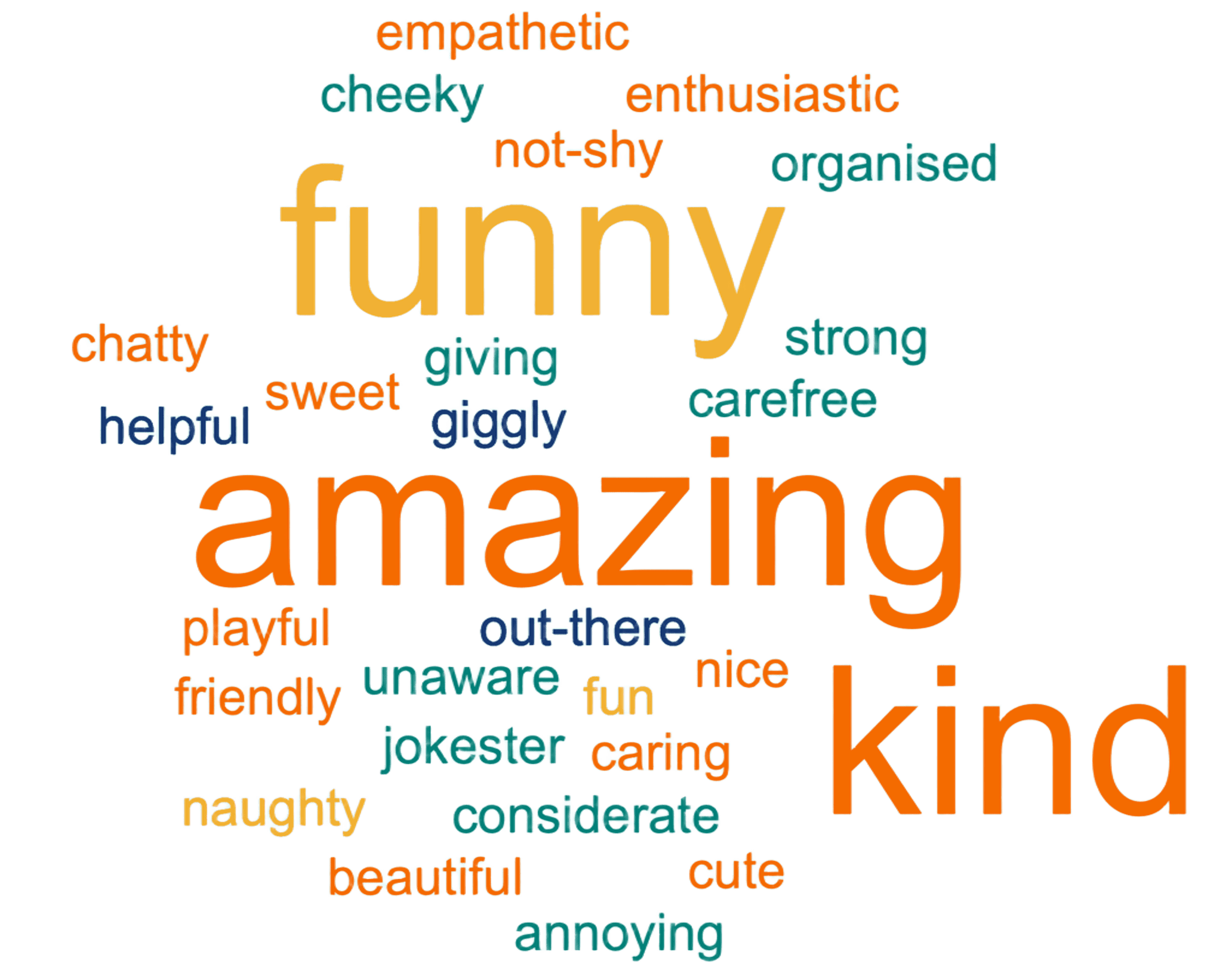

When compared to a control group, our research has shown that siblings of children with neurodevelopmental conditions experience higher rates of self-harm, suicidal ideation, and suicide attempts.
Read more about the study
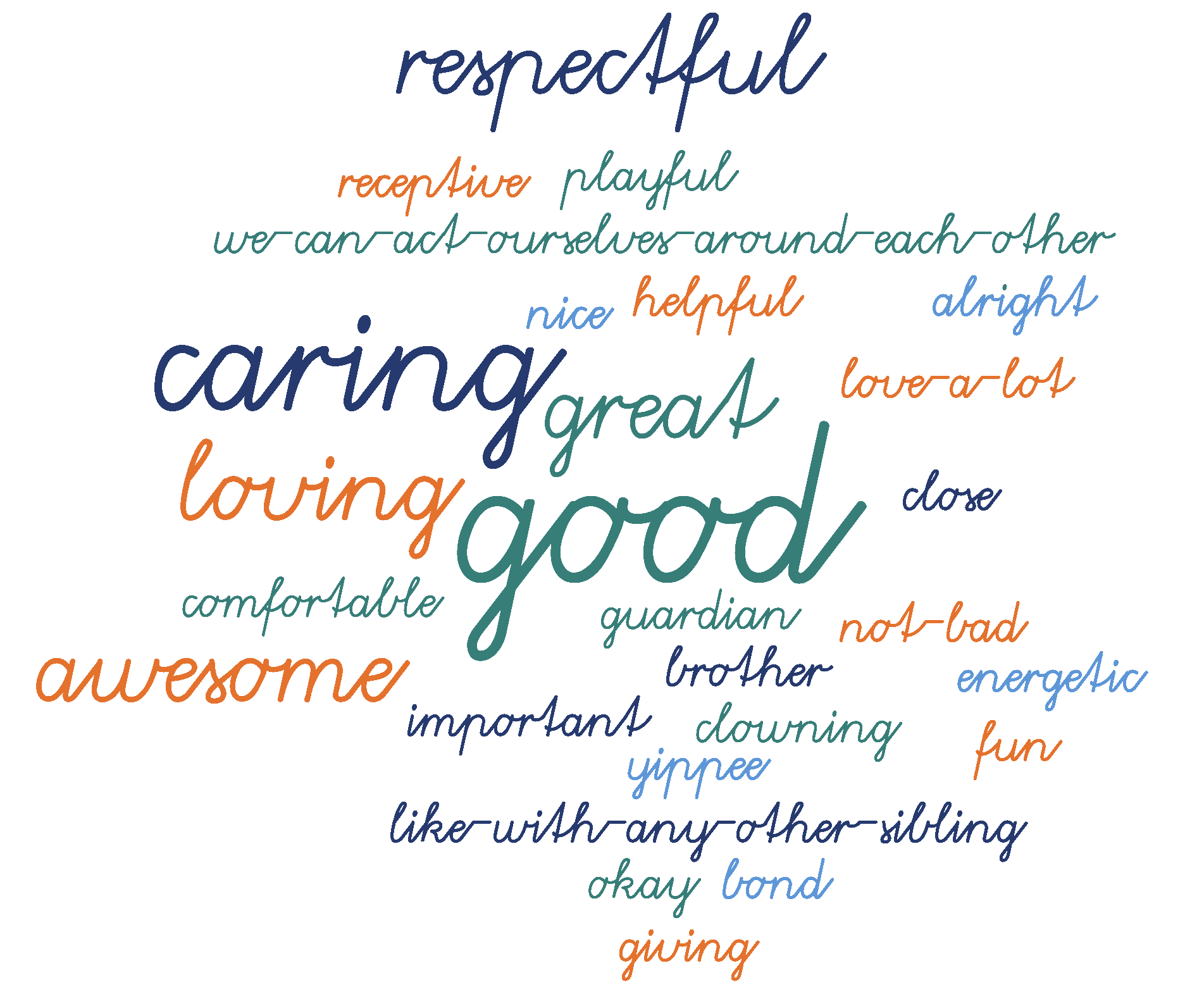
Parents of children and young adults with Rett syndrome or Down syndrome told us that siblings develop positive personality traits, have rich relationships, and have optimistic outlooks. Some parents perceived they had reduced time available for siblings, and sometimes faced challenges organising family holidays.
Read more about the study




The are many things that increase the risk of a traumatic brain injury (TBI) and influence the outcomes that follow. Our research has shown that the siblings of children with neurodevelopmental conditions were more likely to report a history of traumatic brain injury when compared to controls, and this was associated with siblings having a psychiatric diagnosis or other conditions (such as autistic and ADHD traits).
Read more about the study