
Search
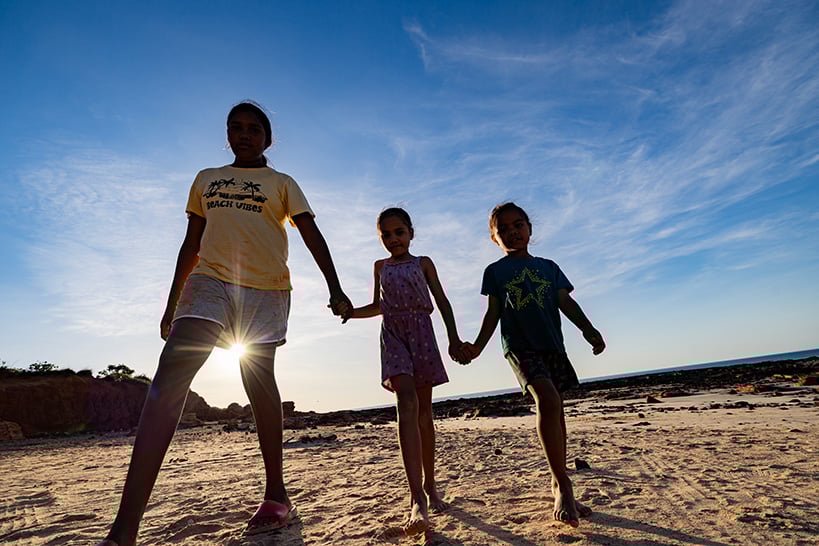
Aboriginal health is everyone's business. The needs of Aboriginal and Torres Strait Islander families and kids is integrated into all relevant areas of our work. Improving the health and wellbeing of Aboriginal and Torres Strait Islander kids and families is an overarching priority for every team at The Kids.
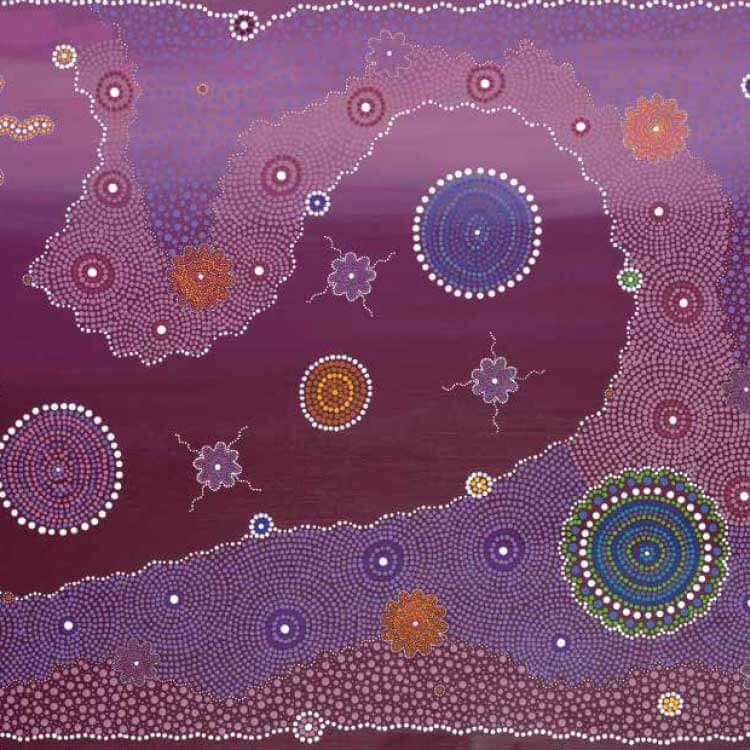
This 2nd edition is intended for staff and students and all health practitioners working in areas that support Indigenous mental health and wellbeing.
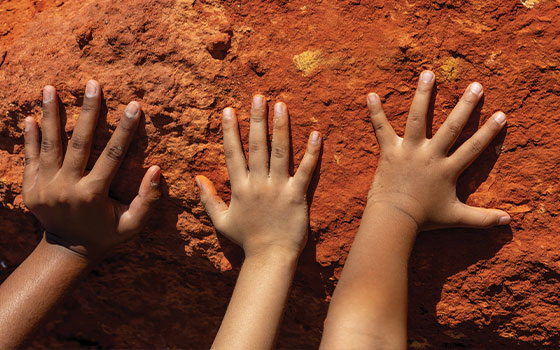
Facilitate research interest & opportunities that involve Aboriginal families & communities and build the capacity and development of Institute researchers
This resource kit for Aboriginal health workers is an exciting milestone in the Rio Tinto Aboriginal Health partnership with The Kids Research Institute Australia
As part of the discussions with Kimberley Aboriginal Medical Service (KAMS) to establish the Broome site of the WAAHKN it has been agreed to establish...
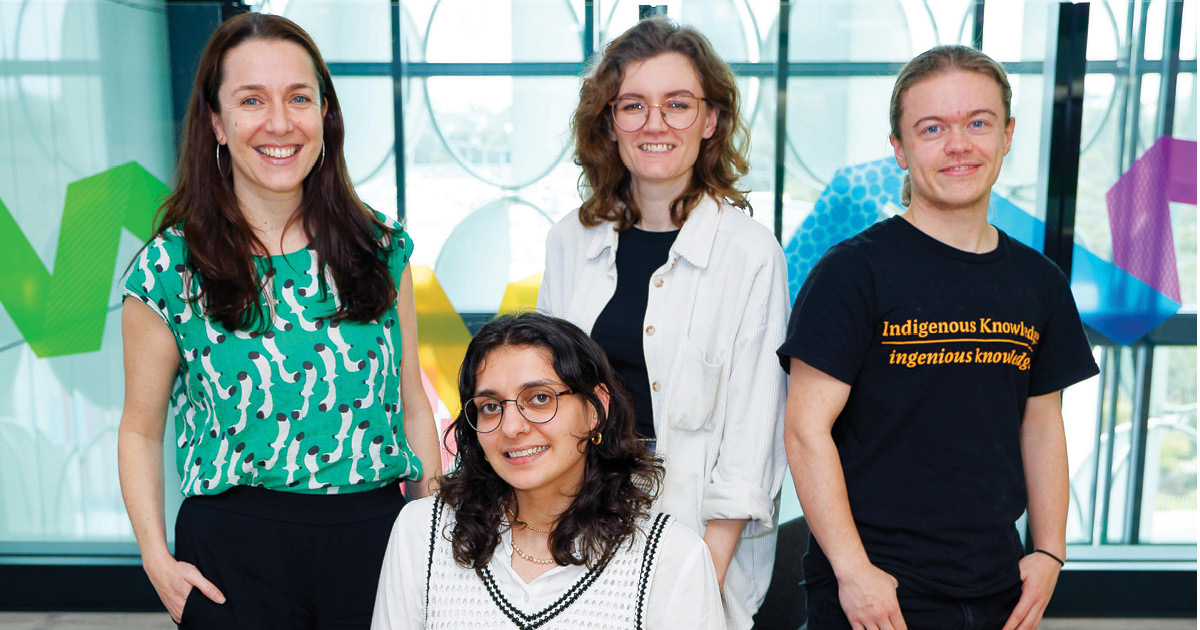
Alarming statistics laying bare the social emotional wellbeing and mental health challenges facing Aboriginal and Torres Strait Islander LGBTQA+ youth are driving a multi-partner program to provide them with greater support.
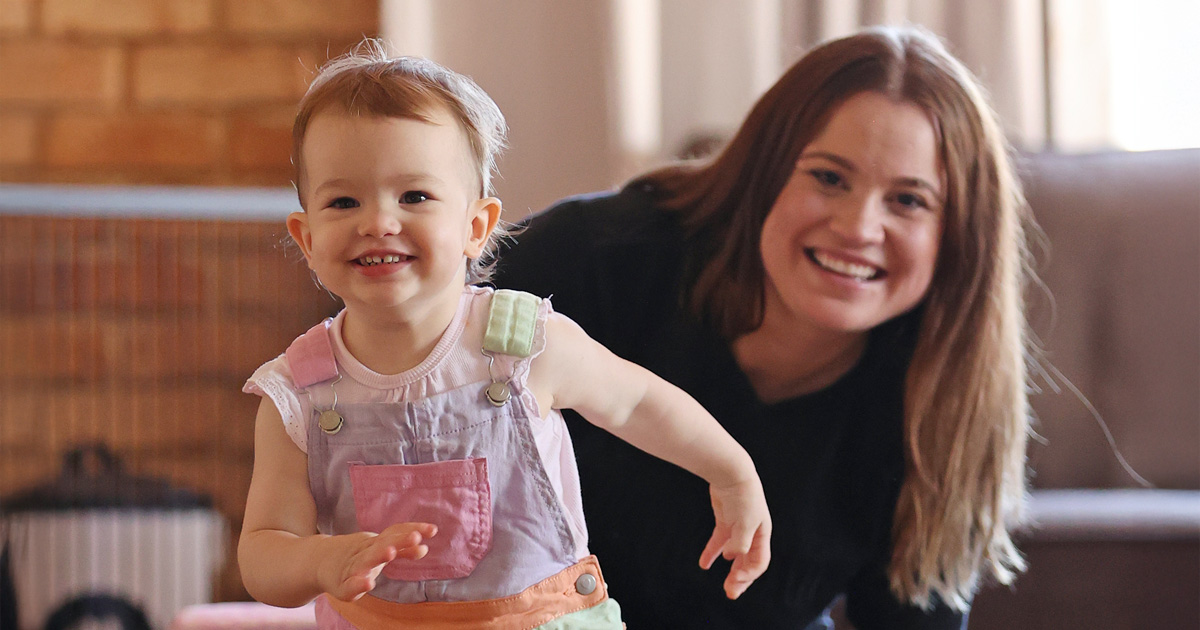
Imagine you had a healthy daughter one day and the next being told she has an incurable condition that requires day-to-day care and insulin treatment to stay alive.
We will leverage the unique Western Australian data linkage resources to undertake the definitive twin and sibling study of infection-related hospitalisation
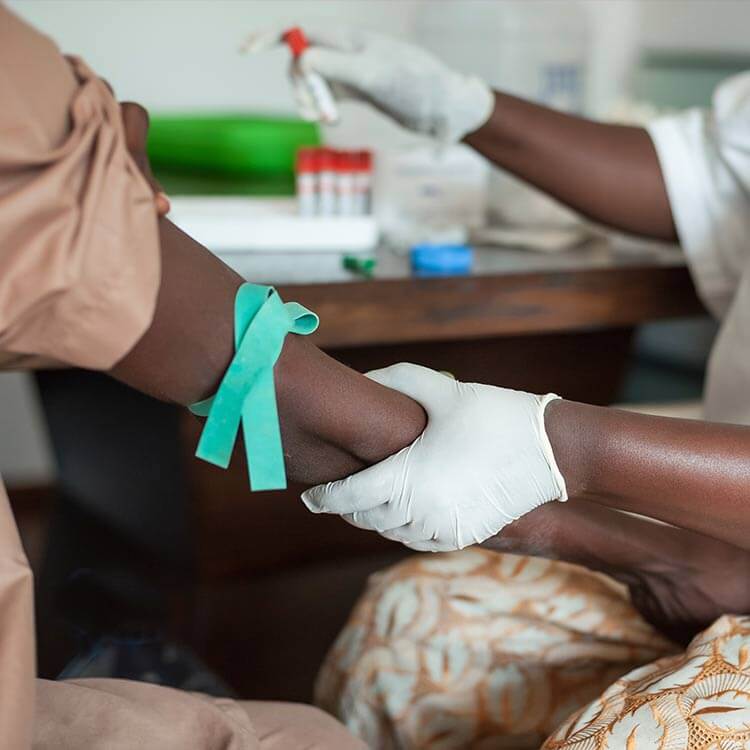
This study investigated host gene expression in response to new HIV infection.
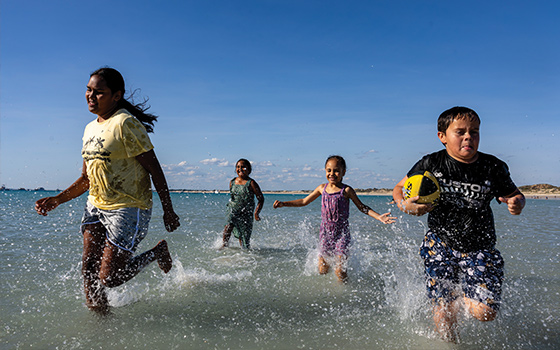
WAACHS was the largest and most comprehensive survey ever undertaken into the health, wellbeing & development of WA Aboriginal and Torres Strait Islander kids