
Search
Showing results for "autism"
If there’s one thing modern researchers and health professionals now understand, it’s that for so many diseases and conditions affecting children and adolescents, early intervention is crucial.
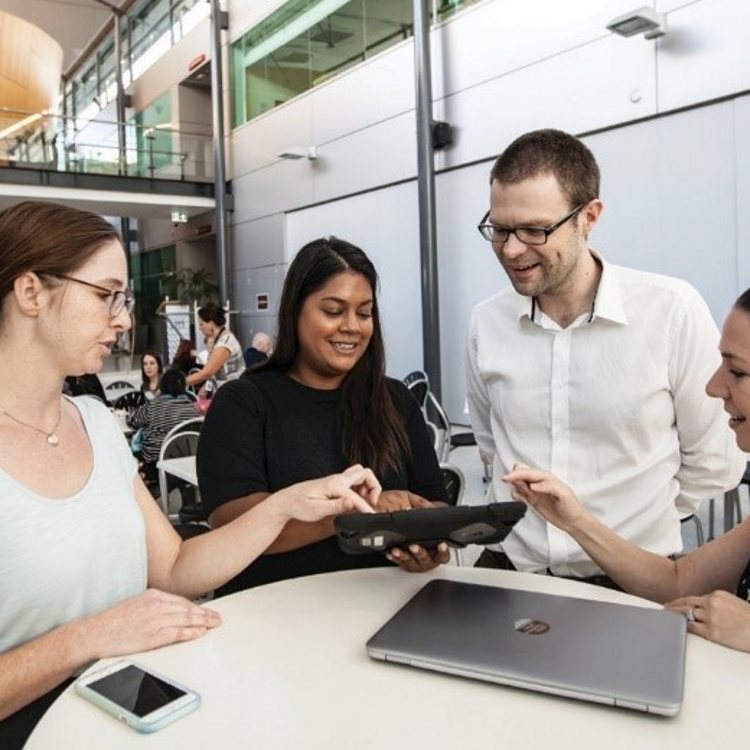
Researchers at The Kids are harnessing the power of apps and other online tools to ensure the results of their research reach those who need it most – children, young people and families.
The aim of this project is to develop and test a series of modules to promote mental health among young people with chronic conditions, using a positive psychology framework.
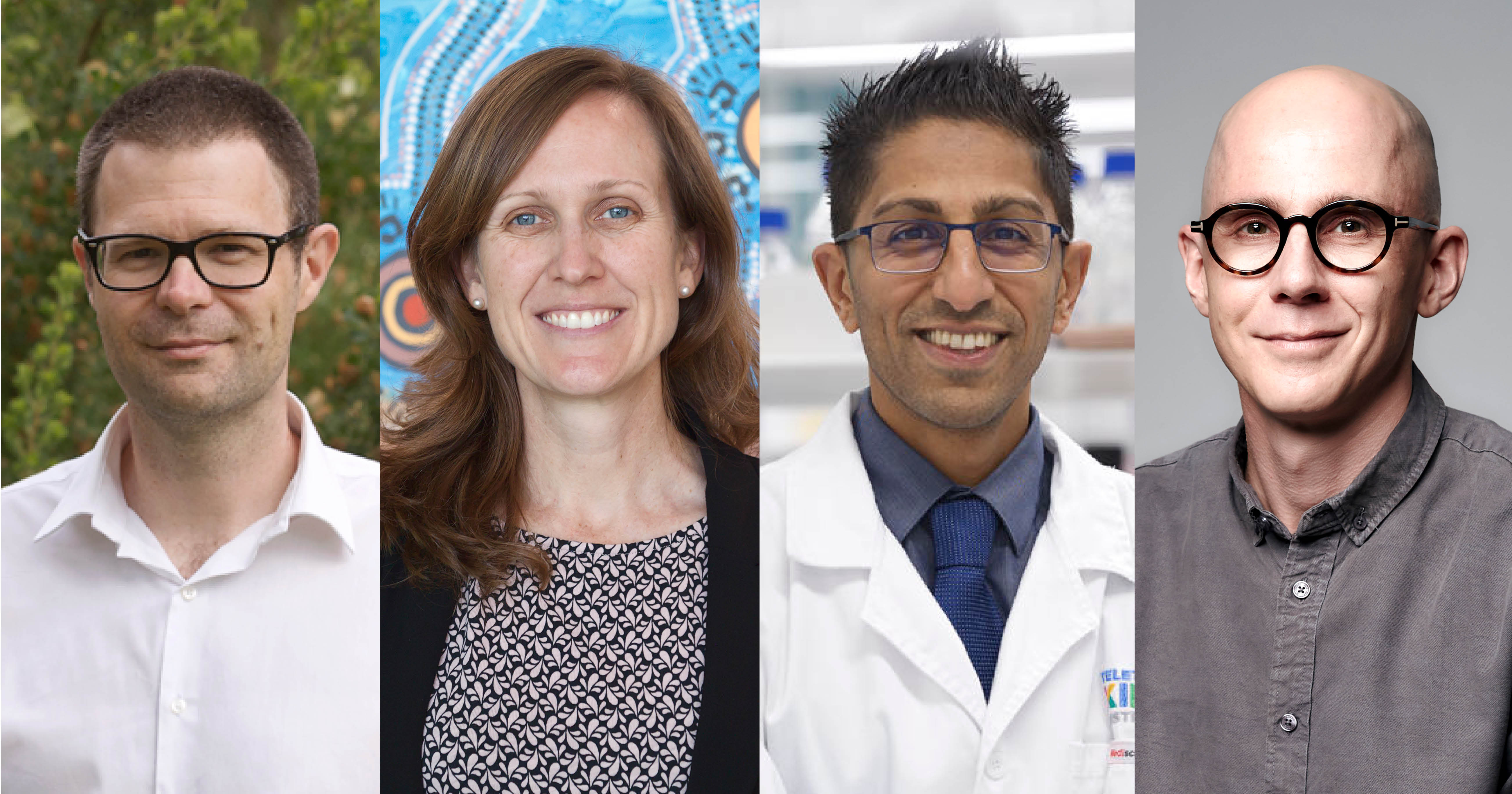
Four The Kids Research Institute Australia researchers have been awarded $8.8 million in prestigious Investigator Grants from the National Health and Medical Research Council to pursue innovative child health research focused on autism, childhood cancer, skin health, and Aboriginal genomics.
A severe neurodevelopmental disorder mostly affecting girls.
Experiencing a traumatic event can significantly impact mental and emotional well-being. Social media platforms offer spaces for sharing stories, seeking support, and accessing psychoeducation. TikTok (ByteDance), a rapidly growing social media platform, is increasingly used for advice, validation, and information, although the content of this requires further study.
Parents of young children with type 1 diabetes (T1D) are at risk of experiencing elevated stress due to their responsibilities as caregivers. Despite this, there are limited interventions designed to enhance resilience in this population of parents. This pilot randomised controlled trial aimed to examine the acceptability, appropriateness, and feasibility of the Promoting Resilience in Stress Management for Parents (PRISM-P) intervention in parents of young children with T1D.
Postvention is a core component of suicide prevention strategies, internationally. However, the types of supports provided to people impacted by suicide vary widely. This study examines the perceived effectiveness of the Primary Care Navigator (PCN) model for people bereaved by suicide. The PCN model was implemented in response to a suicide cluster.
The aim of this project was to identify the top 10 priorities for childhood chronic conditions and disability (CCD) research from the perspectives of children and young people with lived experience, their parents and caregivers and the professionals who work with them.
Keely Amy Tim Bebbington Finlay-Jones Jones MClinPsych/PhD BPsych(Hons), MPsych(Clinical), MHealthEcon, PhD (Clin Psych) MBBS DCH FRACP MD McCusker