
Search
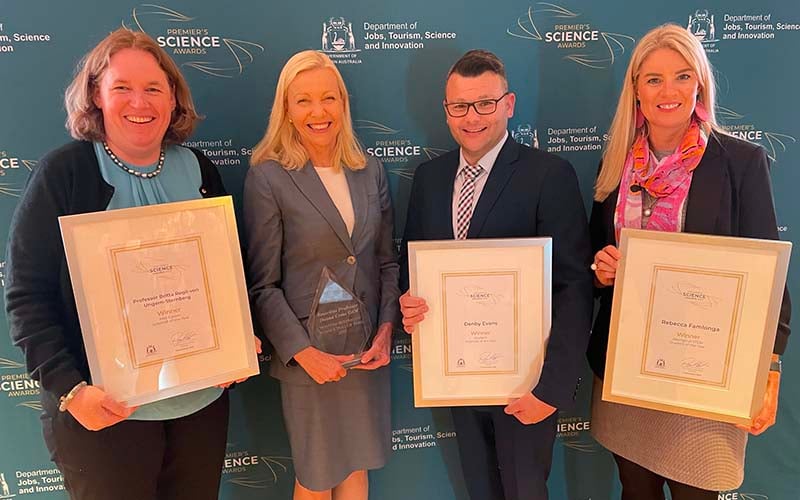
Three outstanding researchers have won 2023 Premier’s Science Awards, with another inducted into the prestigious WA Science Hall of Fame.
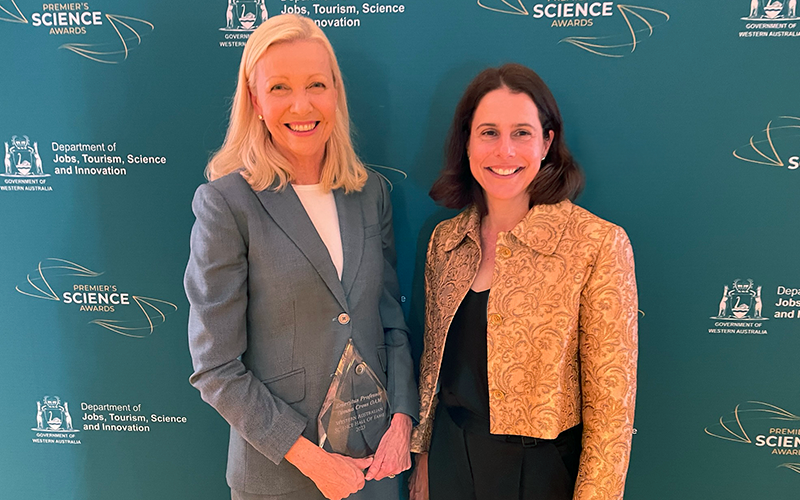
Pioneering anti-bullying researcher Emeritus Professor Donna Cross OAM was last night announced as the latest inductee into the WA Science Hall of Fame.
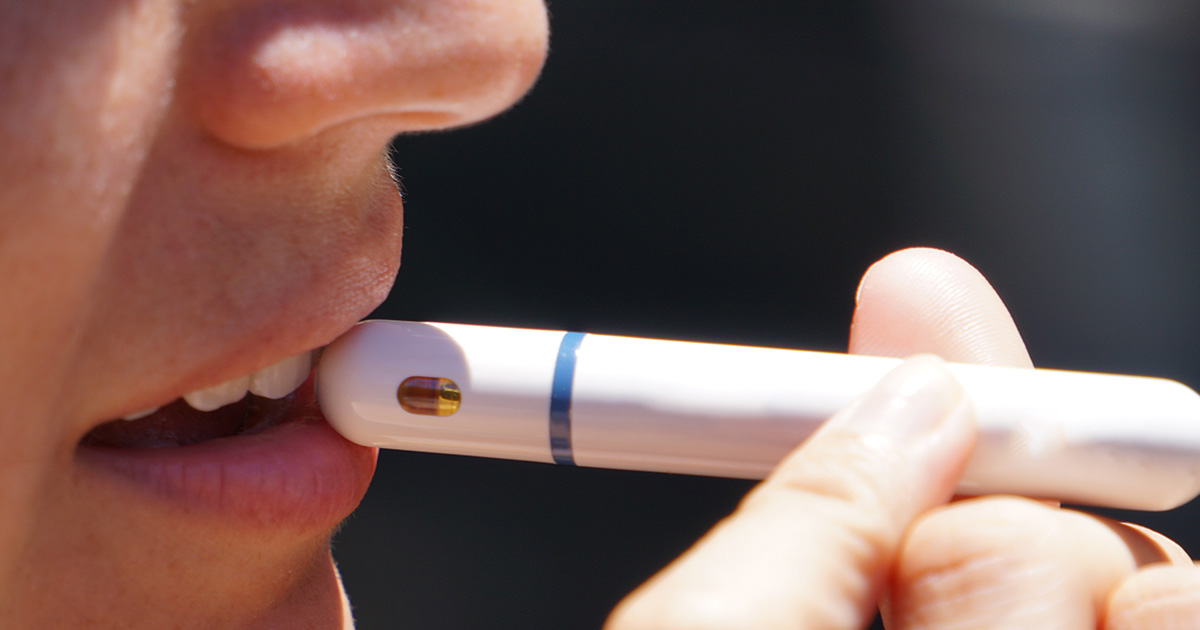
Researchers from The Kids Research Institute Australia and Cancer Council WA will team up on two projects aimed at identifying the most effective public health messaging for young people around SunSmart behaviours and how to stop vaping.
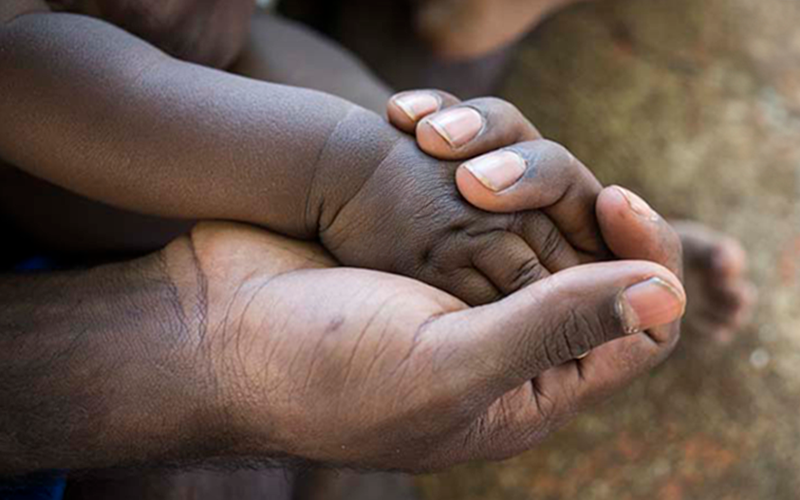
Experts are warning Aboriginal parents in Western Australia with newborn babies to be vigilant about Respiratory Syncytial Virus (RSV) as winter progresses.
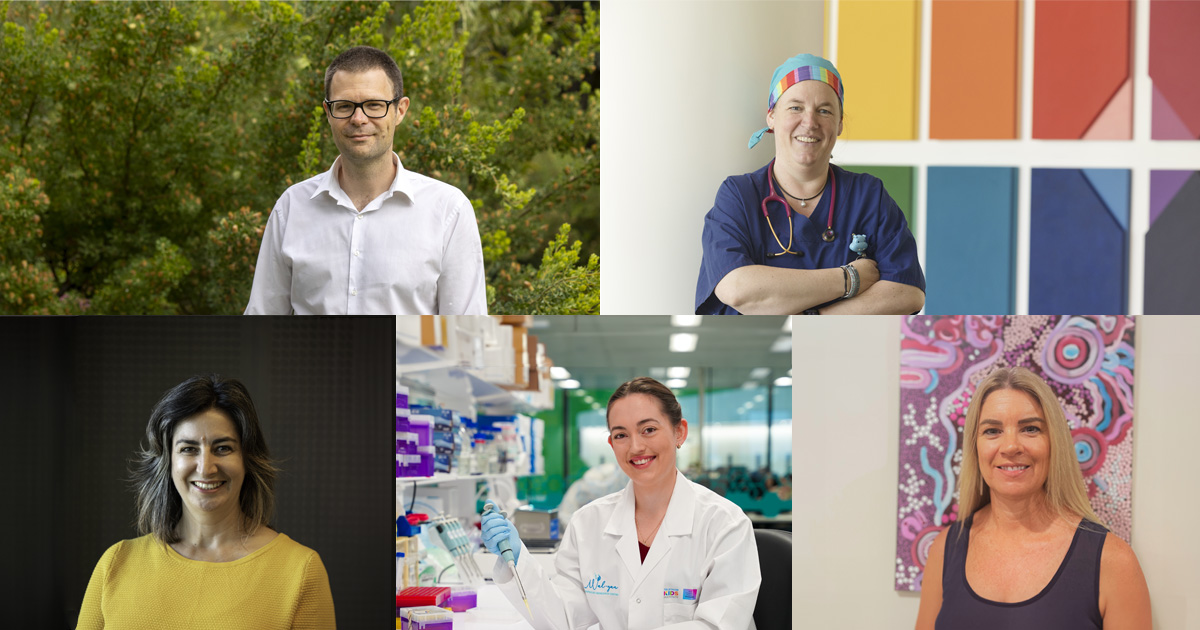
Five The Kids Research Institute Australia researchers working across diverse and highly impactful areas of child health research have been named as finalists for the 2023 Premier’s Science Awards.
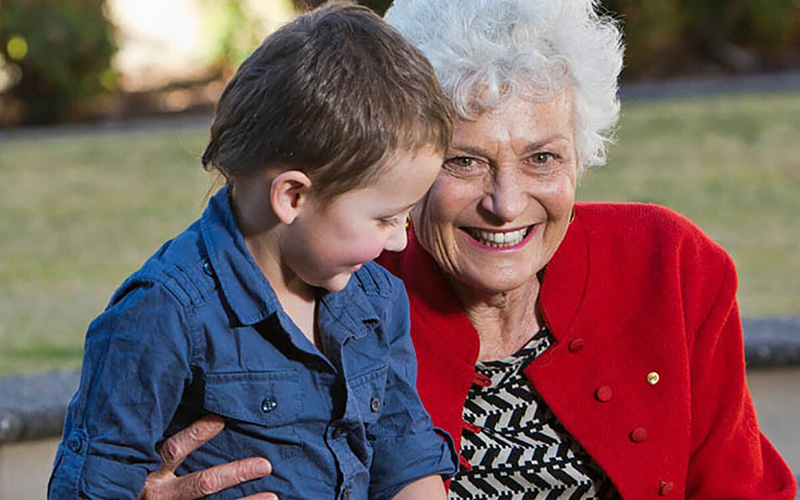
This opinion article was originally published in the West Australian on July 20, 2023.
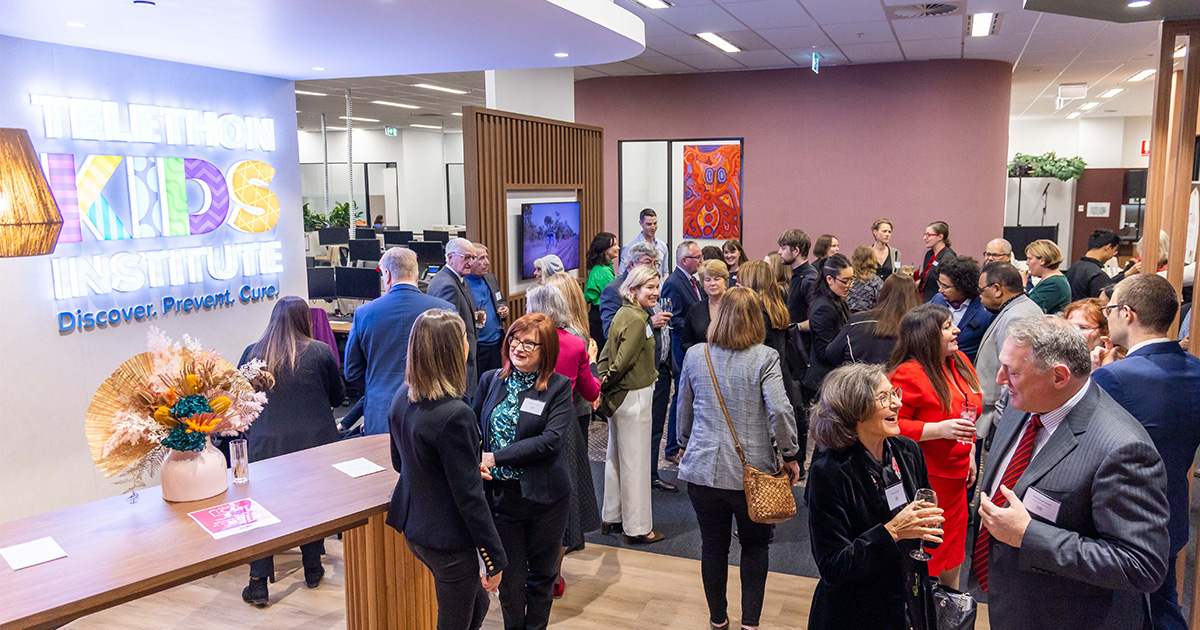
The Kids Research Institute Australia's Adelaide facility has been officially opened by South Australian Premier Peter Malinauskas.
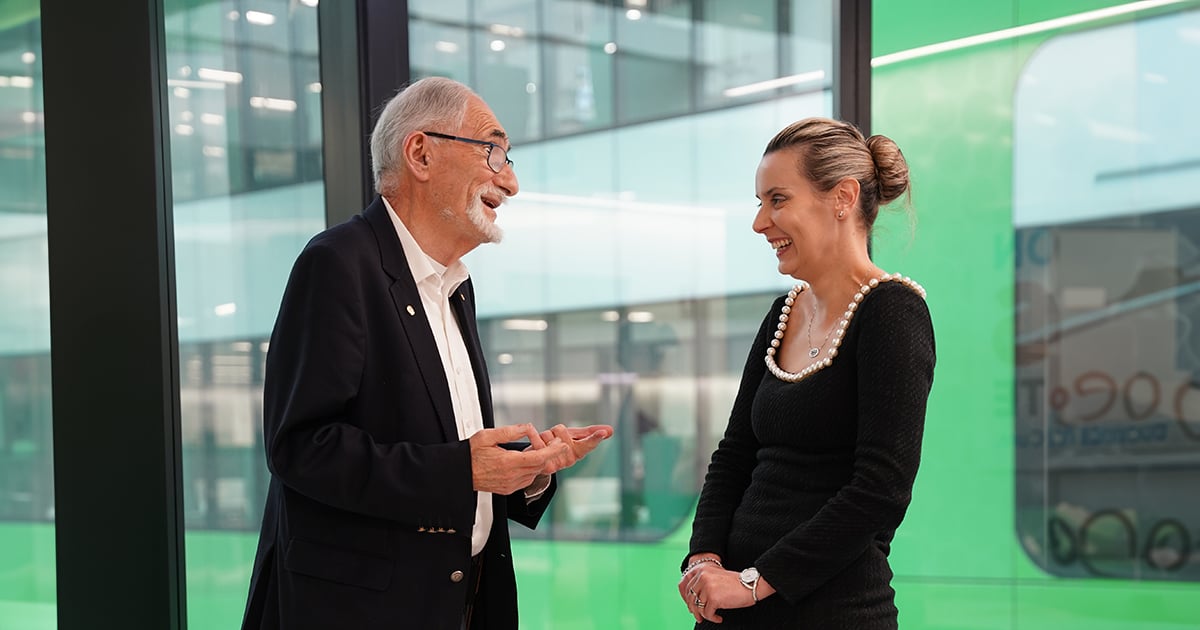
Professor Aleksandra Filipovska has been appointed as the inaugural Louis Landau Chair of Child Health Research.
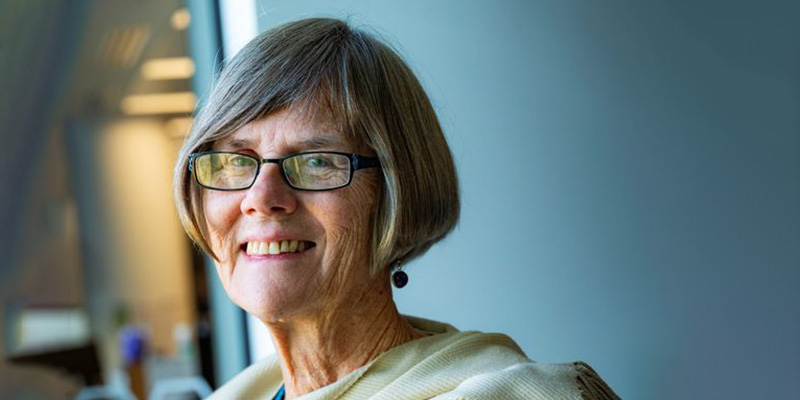
A huge congratulations to The Kids Research Institute Australia founding researcher, Emeritus Professor Carol Bower, who has been recognised in the King’s Birthday Honours for her profound impact on child and public health over a 40-year career.
A pilot clinical study, led in Australia by a The Kids Research Institute Australia and Perth Children's Hospital researcher, has found an immunotherapy drug can dramatically increase survival rates for babies with a rare form of leukaemia, paving the way for a major international clinical trial.