
Search
We are currently working through several clinical audits to ensure that we are meeting our service delivery standards and governance requirements. As part of this, we have audited our Service Agreements to ensure that we have a signed agreement on file for all our clients. This agreement is an NDIS
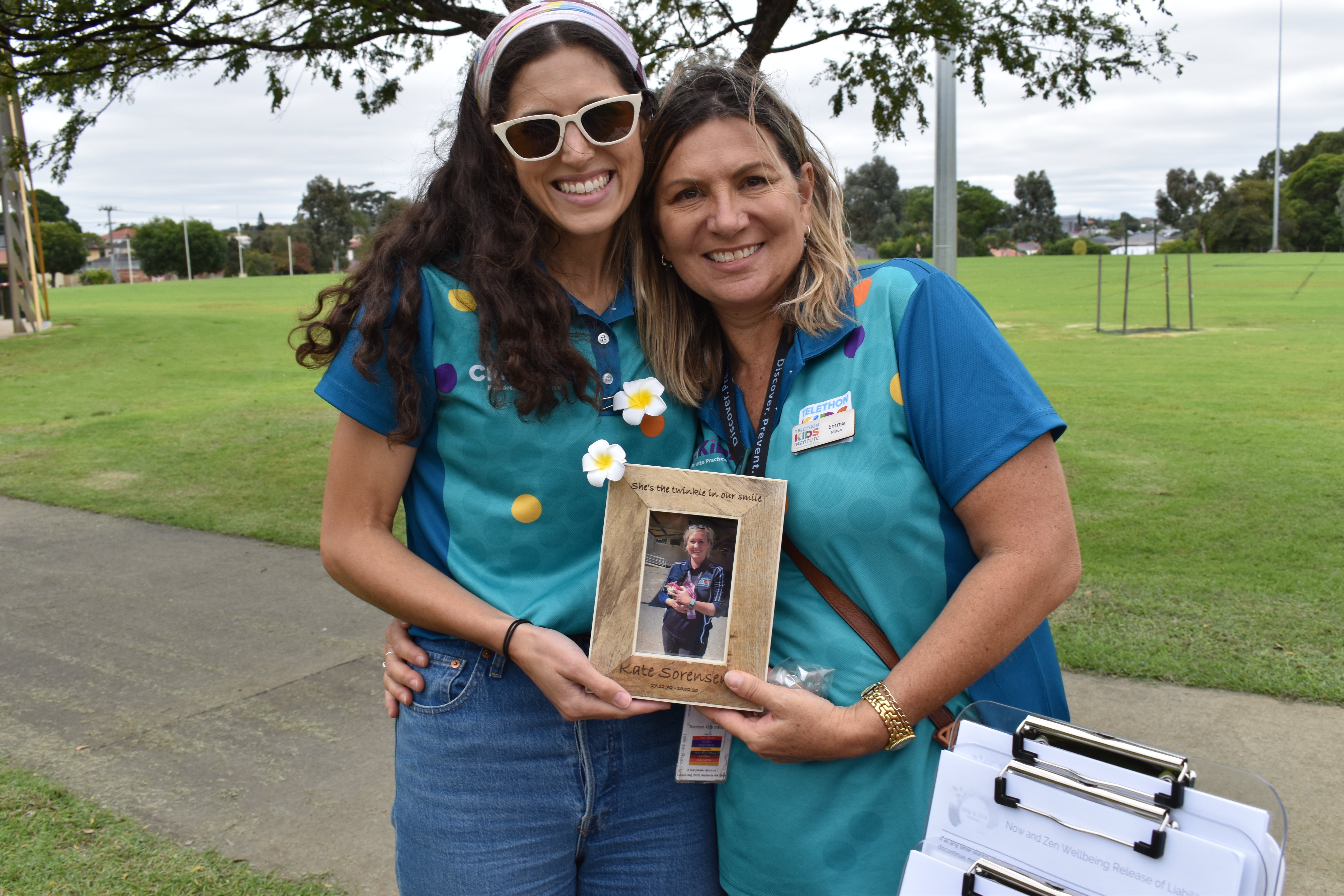
CliniKids held Frangipani Family Day recently – an event organised to honour the wonderful contribution of its much loved and dearly missed colleague, the late Kate Sorensen.
CliniKids is committed to involving consumers and the community in all aspects of our research and service delivery. One way we do this is by providing the opportunity for consumers and community members to contribute through our community reference groups.
Frangipani Family Day is an opportunity for CliniKids to celebrate the families we engage with through our clinical services and research.
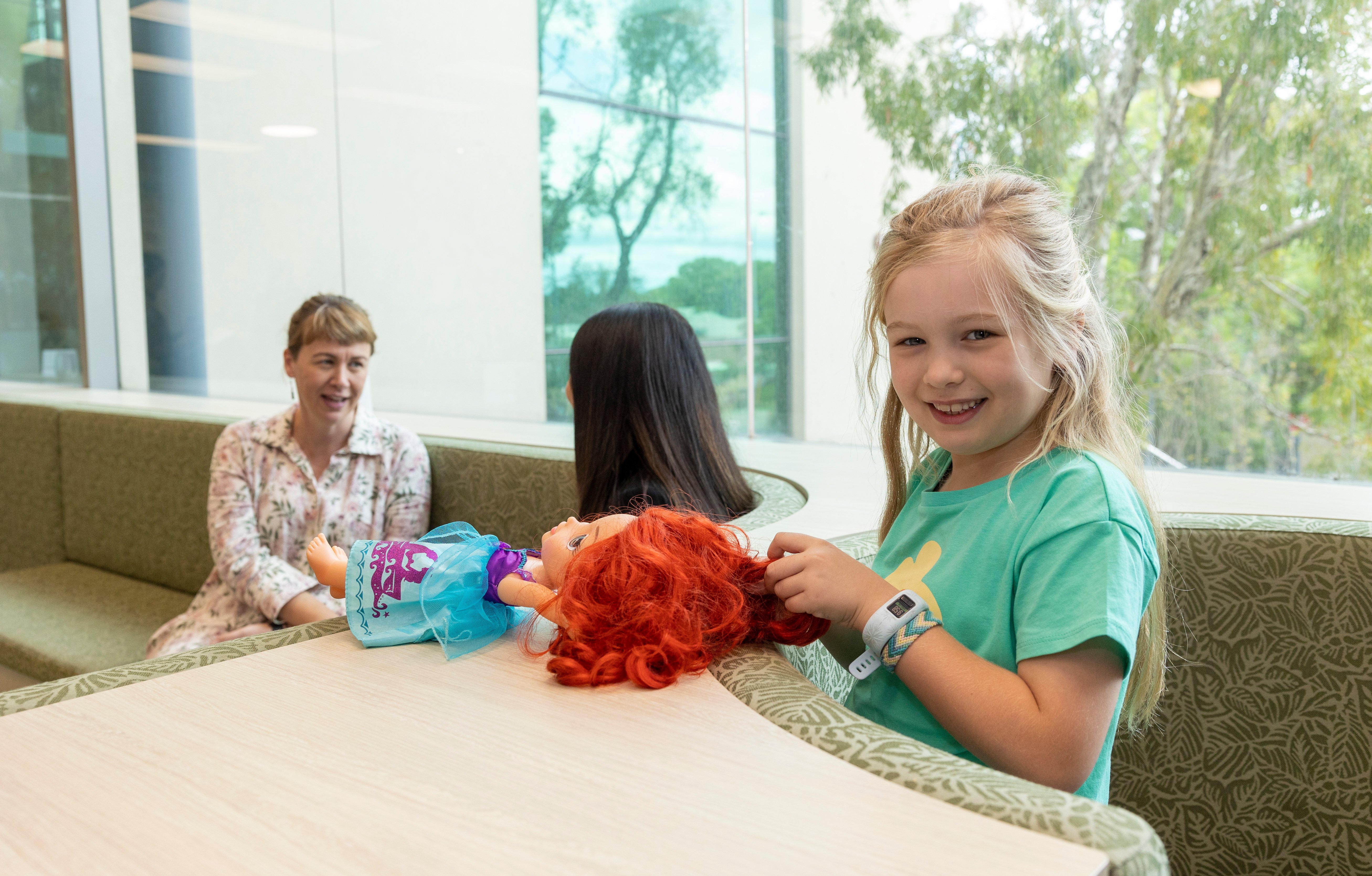
We are aware that many of our clients are either starting kindy or are transitioning from kindy to fulltime school and may require a different day/time for their regular therapy sessions at CliniKids.
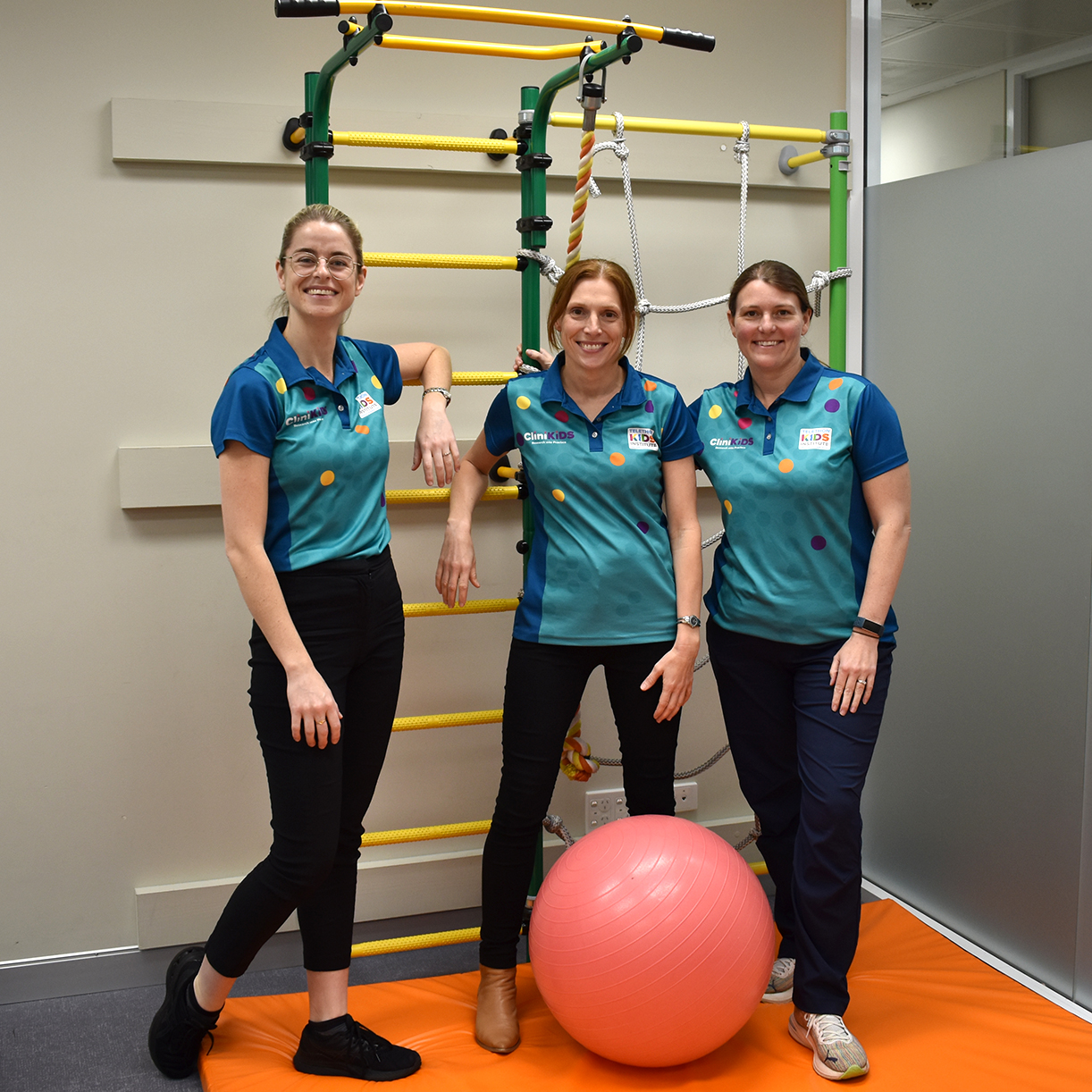
To celebrate World Occupational Therapy (OT) day, we asked our Occupational Therapists to describe what OT means to them.
By fundraising, you’re helping raise awareness and provide funds to support CliniKids and the work we do with autistic children. There are lots of ways to fundraise, online and offline.
Contact us If you have any questions about getting started, please contact our giving team. We're happy to help! +61 8 6319 1333 giving@thekids.org.au

Six scientists from The Kids Research Institute Australia have been named finalists across four categories in the 2026 Premier's Science Awards.