
Search
Find out more about the scholarship opportunities at the Wesfarmers Centre, including Training Scholarships and Higher Degree by Research Scholarships.
The Wesfarmers Centre is pleased to announce the successful recipients for the 2018 Round 2 Seed Funding Grants. The Wesfarmers Centre Scientific
The Wesfarmers Centre is pleased to announce the successful applications for the 2018 Round 1 Wesfarmers Centre Seed Funding. The Wesfarmers Centre
The Wesfarmers Centre is pleased to announce the 4 successful applications for the 2016 Round 1 Wesfarmers Centre Seed Funding.
Wesfarmers Centre of Vaccines & Infectious Diseases resources
ORIGINS is the largest study of its kind in Australia, following 10,000 children, from their time in the womb, over a decade to improve child and adult health.
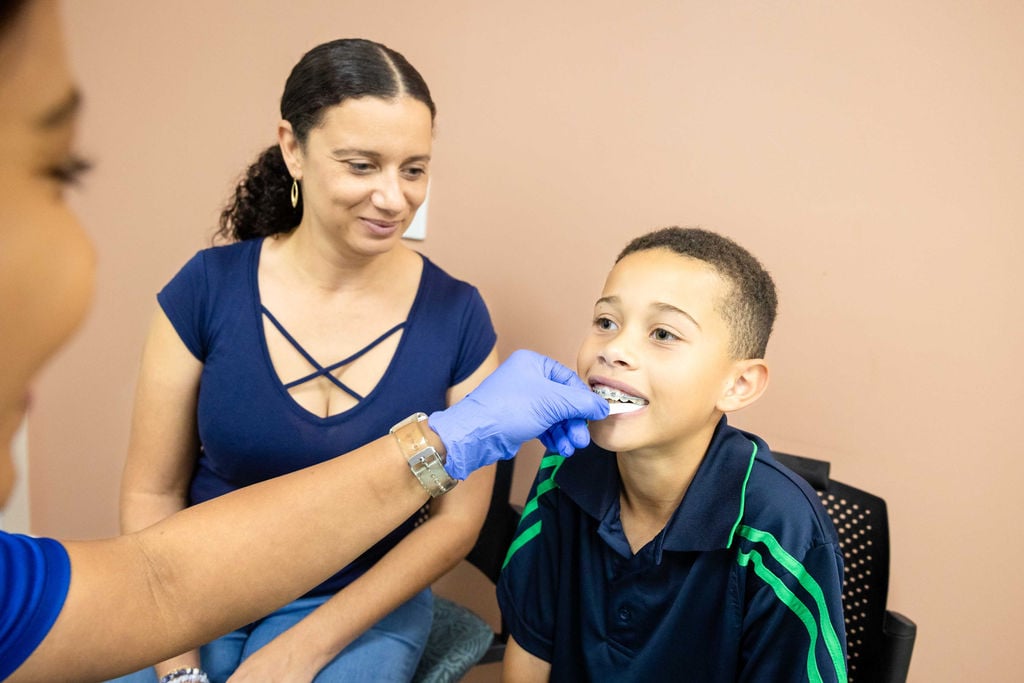
ORIGINS is an interventional cohort study, meaning participants receive timely feedback and an action plan to address any potential abnormalities.
Publications, papers and findings coming out of ORIGINS and its sub-projects
An interventional birth cohort researching ways to optimise health and identify conditions that enable every child to flourish from an early age.

A unique national platform delivering faster research at scale to improve the health, wellbeing and equity of children and their parents across Australia