
clinical practice, driving a new research agenda for childhood lung health. Bringing together clinicians, scientists
WA Government to support research providing early and equitable access to the best diabetes technology
clinical practice, driving a new research agenda for childhood lung health. Bringing together clinicians, scientists
are dedicated to tackling the major causes of childhood disease, disability and disadvantage. Our research
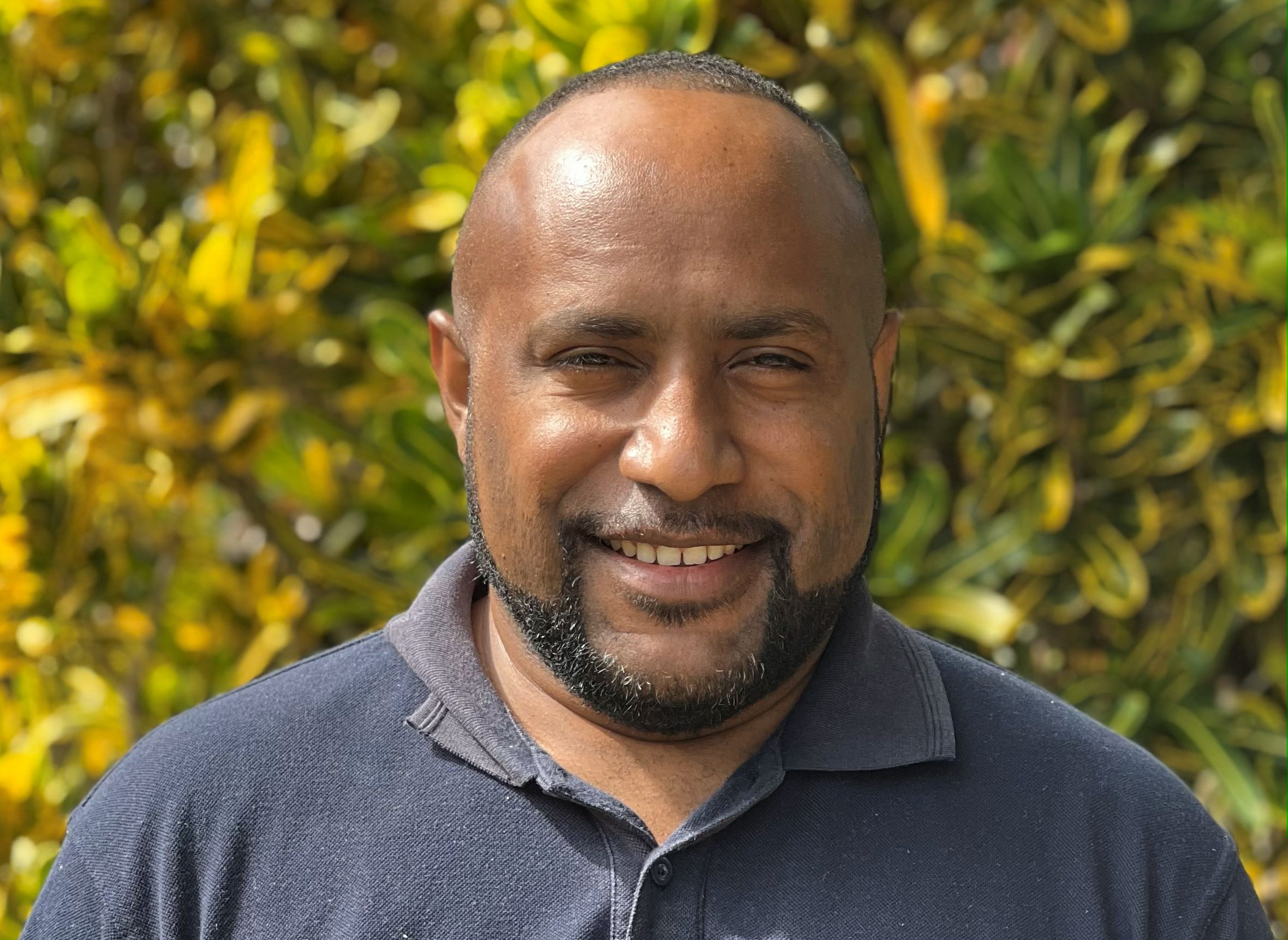
Papua New Guinean researcher Dr Lincoln Timinao has been awarded the 2025 Deborah Lehmann Research Award (DLRA) for his work aimed at investigating t…
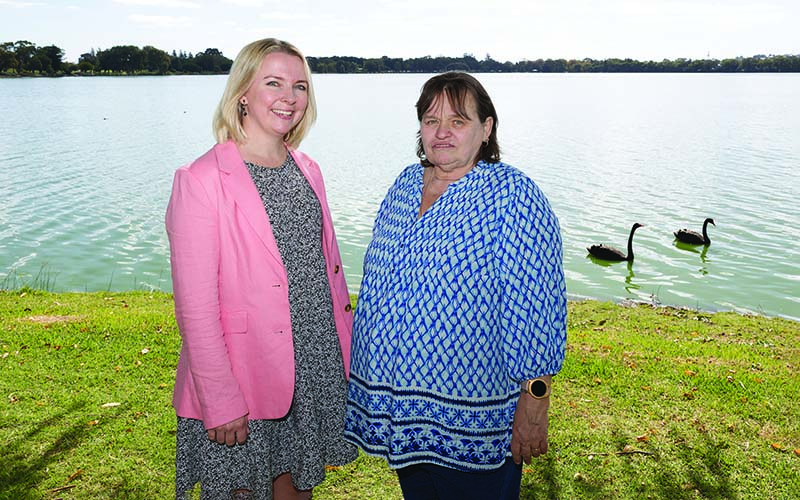
Embrace @ The Kids Research Institute Australia Senior Researcher Dr Alix Woolard and Co-Director Professor Helen Milroy.
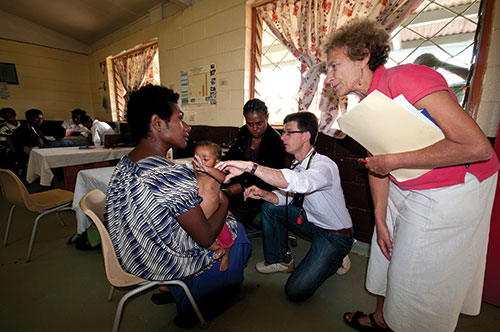
pneumonia is responsible for over one million childhood deaths around the world each year, so Professor ... Diseases, will provide training and devel…
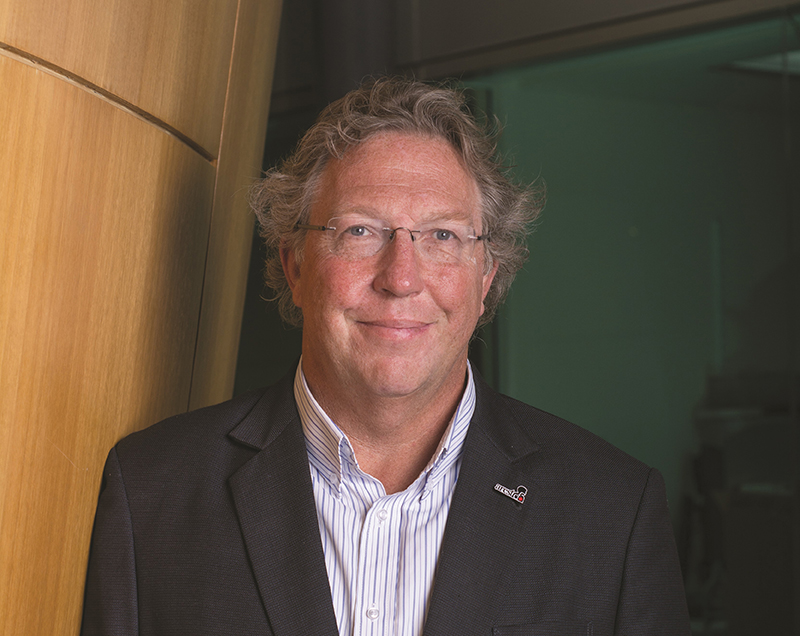
program of its type in Australia focussed on childhood lung disease. Professor Stick said the ... Professor John Wray, which will trial group-based v…
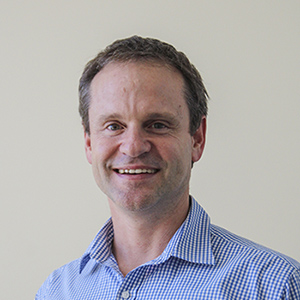
Head, BREATH Team
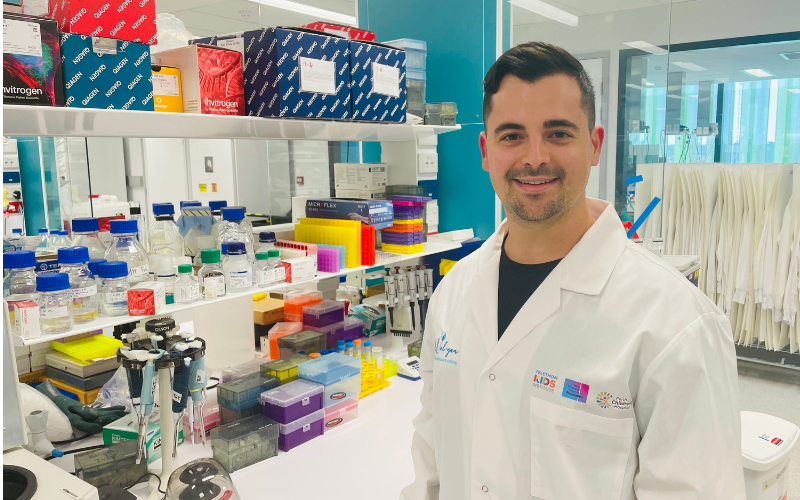
clinical practice, driving a new research agenda for childhood lung health. Bringing together clinicians, scientists