
Search
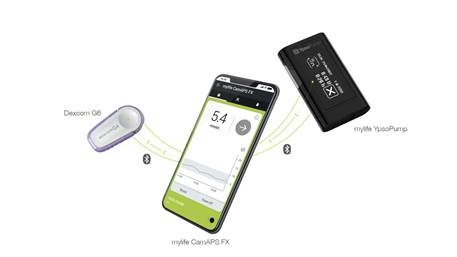
The new automated insulin delivery system by MyLife Diabetes Care is now available on android devices from October 24, 2022.
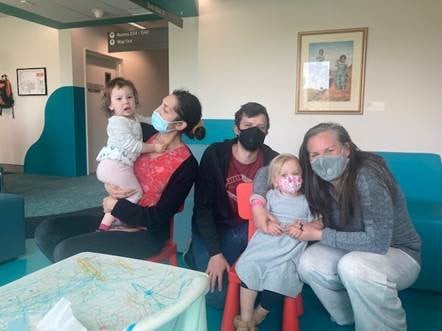
When two-year-old Clara first went onto the new Ypso HCL system, her mum Sarah found that the pump belt was just a little too big for her.
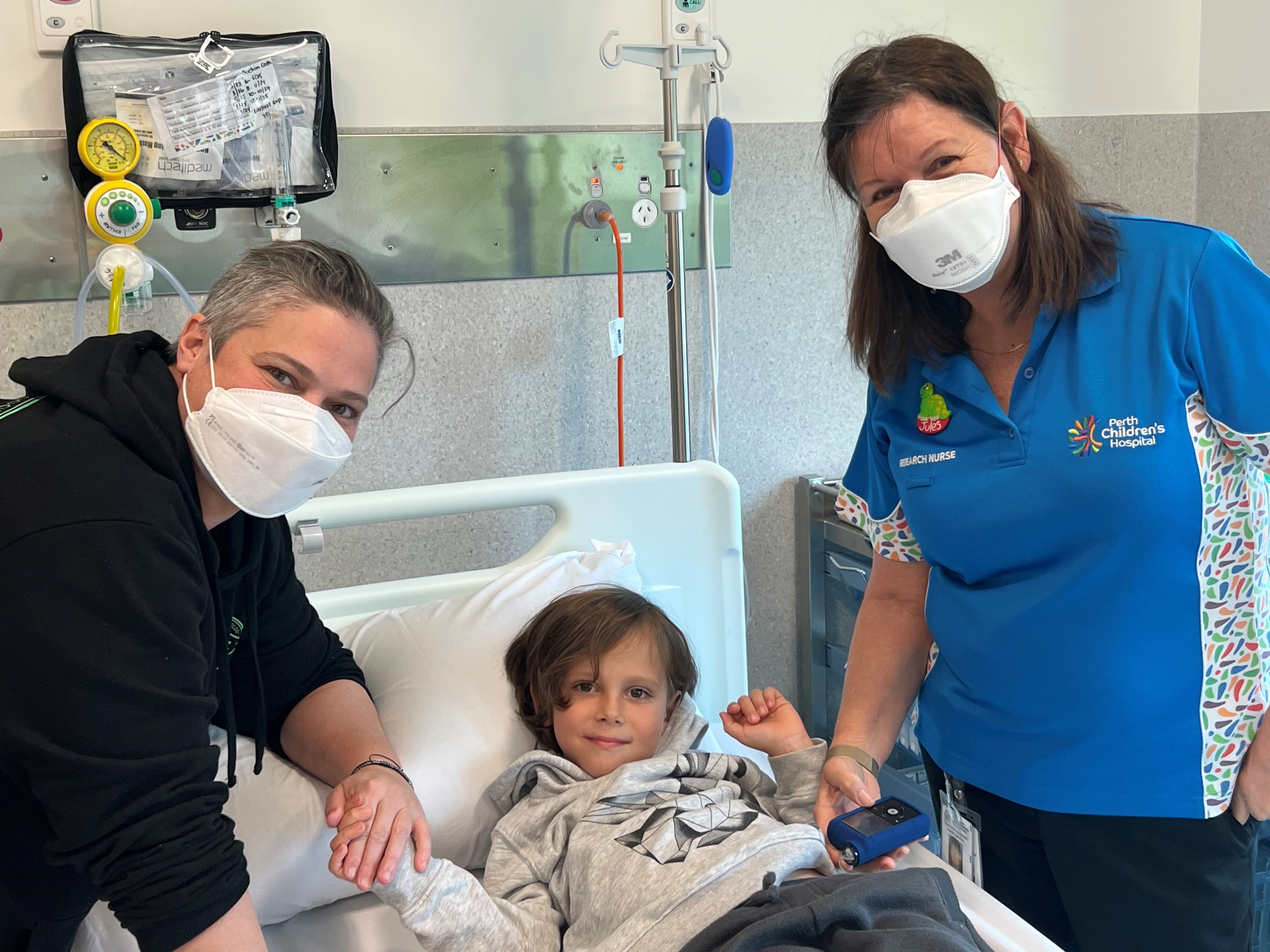
Our researchers are looking for young children with type 1 diabetes who are using an insulin pump, to take part in the advanced hybrid closed loop in paediatric (HyCLIP) population study.

PCH Diabetes Service Update We have now returned to face-to-face care as we move past the peak of infections in the WA Community.
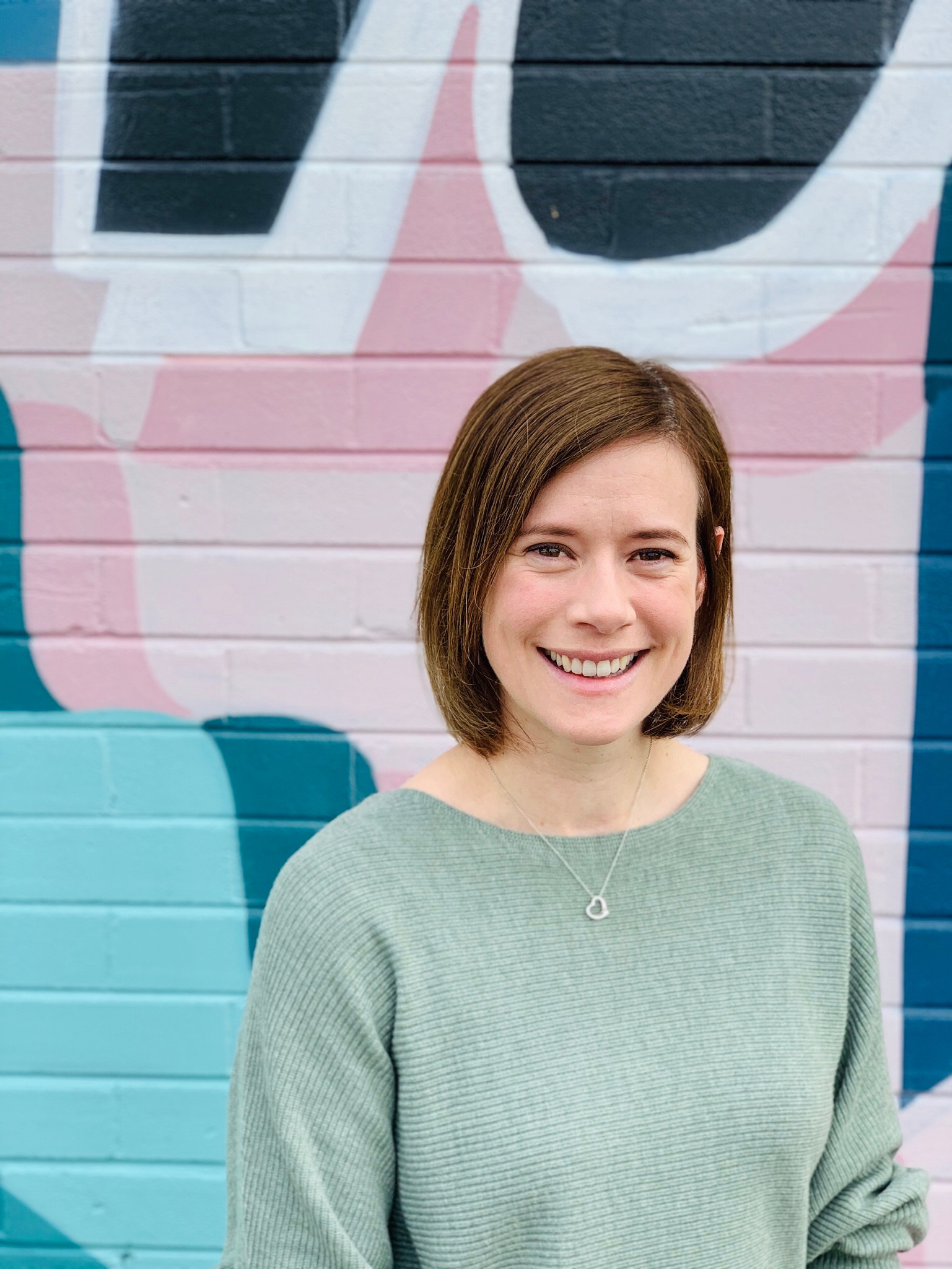
Congratulations to the Rio Tinto Children’s Diabetes Centre’s Dr Keely Bebbington on being awarded a JDRF Rebecca Davies Clinical Research Fellowship for her research that aims to prevent the onset of anxiety in children with T1D and their families.
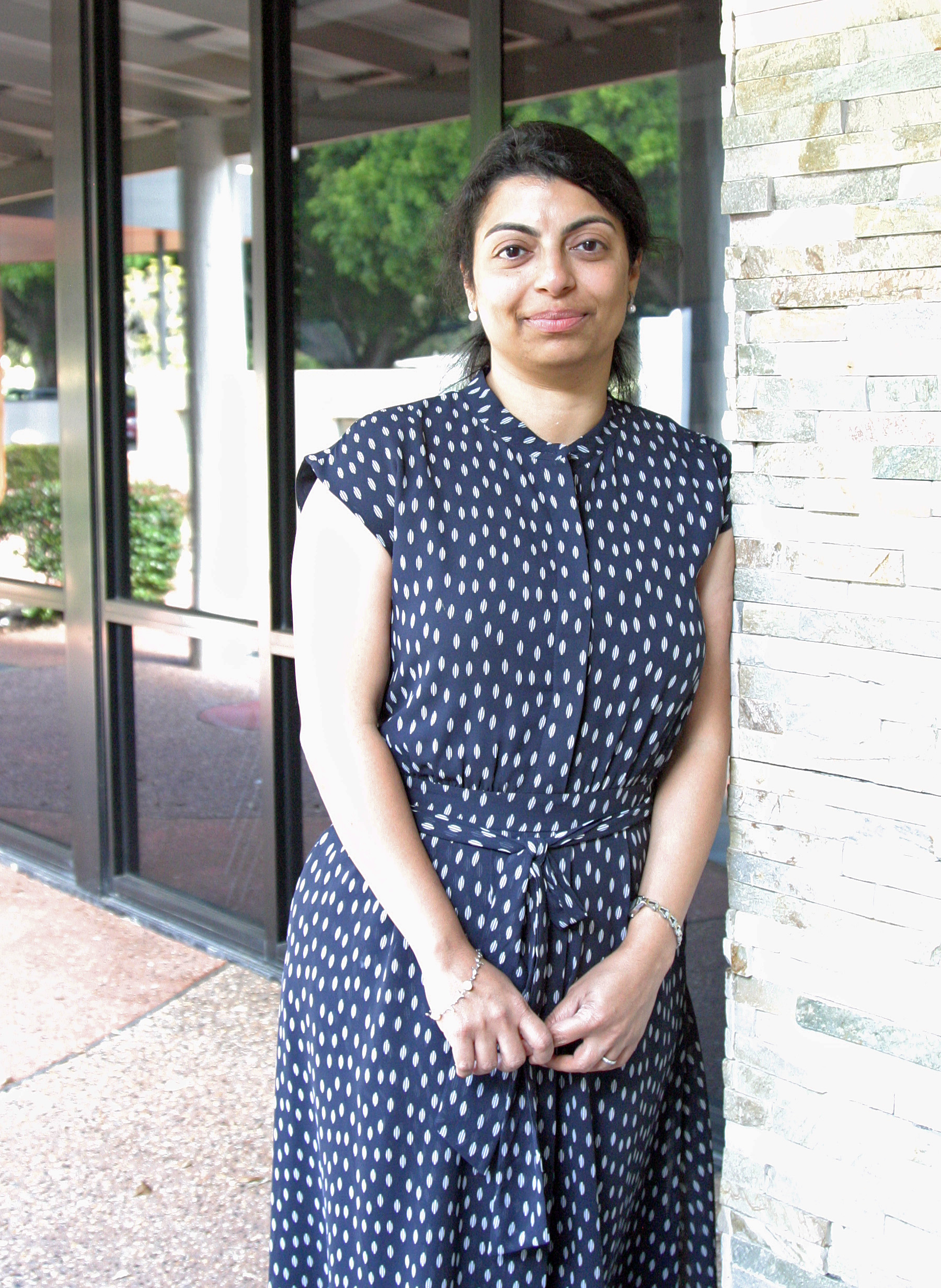
Congratulations to Dr Mary Abraham from the Rio Tinto Children's Diabetes Centre and Perth Children's Hospital, who has been awarded the prestigious Australian Diabetes Society (ADS) Lindsey Baudinet Rising Star Award in T1D Research.
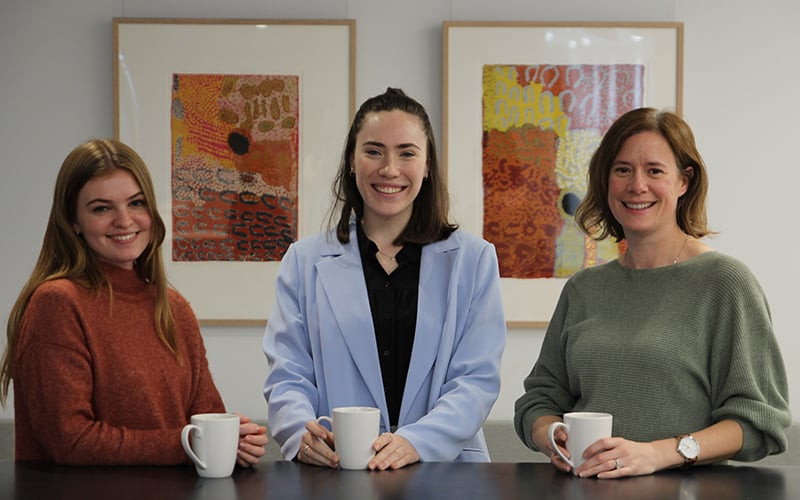
For National Diabetes Week, we sat down with Dr Keely Bebbington to talk about her amazing work in research.

Introducing the Rio Tinto Children's Diabetes Centre: A JDRF Global Centre of Excellence
PCH Diabetes Service Update We will continue to utilise Telehealth for most appointments and care for the next few weeks at least, but we remain ready to pivot back to face to face care as soon as possible.

The Diabetes Research Team of the Department of Endocrinology is looking at identifying a questionnaire that we can use in clinic to measure and understand the types of physical activity, young people with type 1 diabetes, are involved in.