
Search
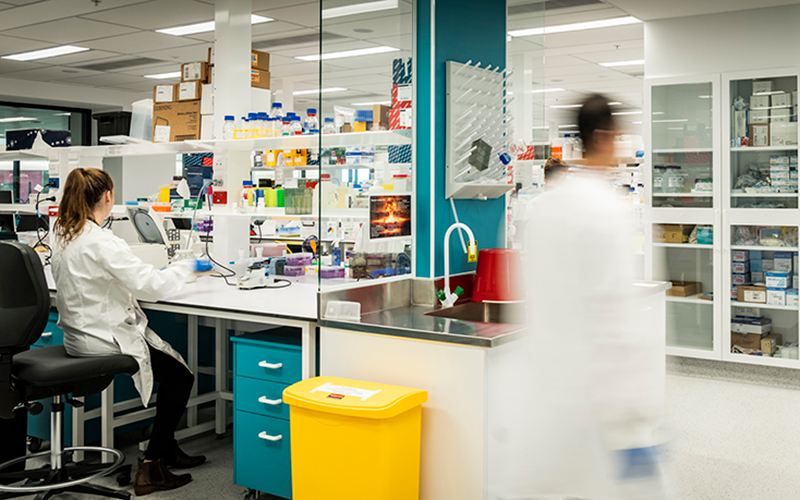
The Kids Research Institute Australia researchers will share in $2.3 million awarded by the Western Australian Department of Health Innovation Seed Fund.
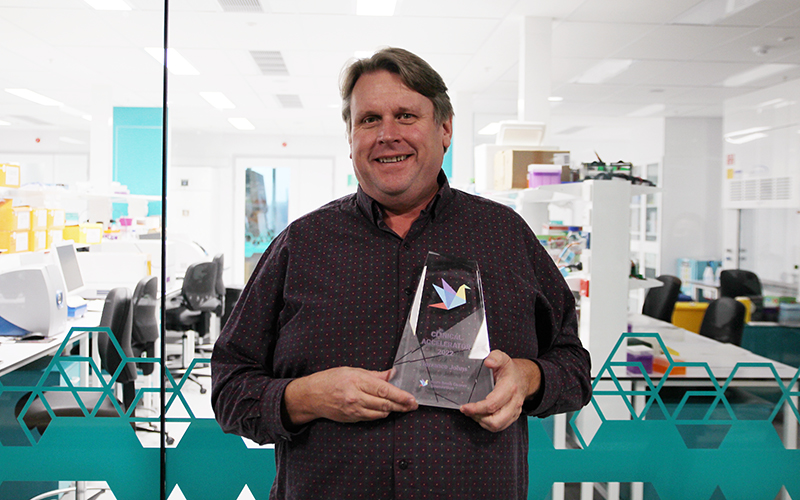
Children with aggressive brain cancers could soon have access to a significant new treatment option, using a unique antibody that stops cancer cells from repairing themselves.
The Kids Research Institute Australia researcher, Dr Anya Jones, will join some of the world’s brightest female scientists after being selected to take part in a global project to amplify the voices of women in science leadership.
The Kids Research Institute Australia researcher, Dr Raelene Endersby, will work to develop less toxic treatments for children with brain cancer, thanks to support from Cancer Council WA.
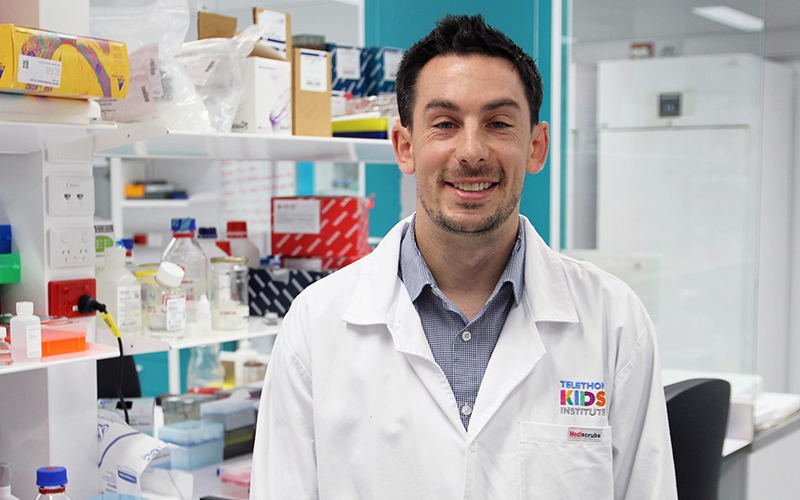
Cancer Council WA has awarded a Post-Doctoral Fellowship to Dr Ben Wylie, for his project to help kids with sarcoma.
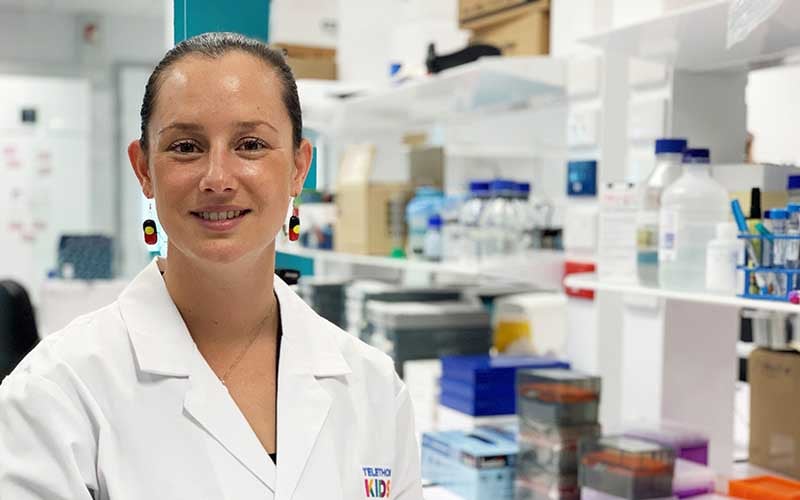
One of The Kids Research Institute Australia’s leading young researchers will travel to the world’s premier conference on childhood brain cancer.
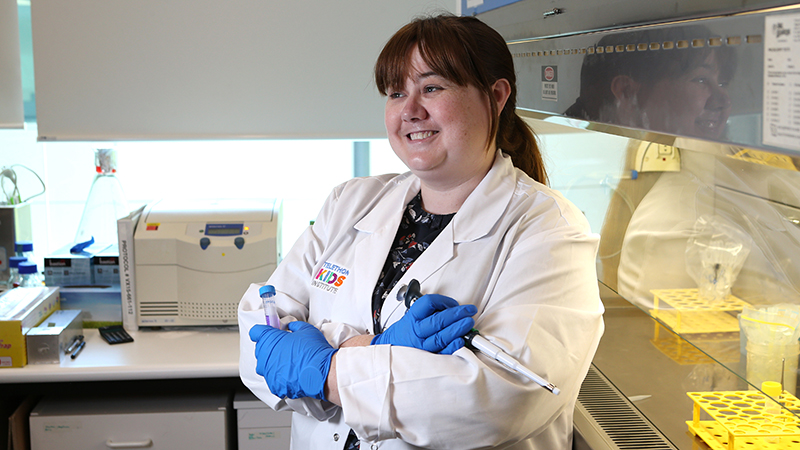
New research by The Kids shows donor immune cells are highly effective at boosting the body’s response against leukaemia.
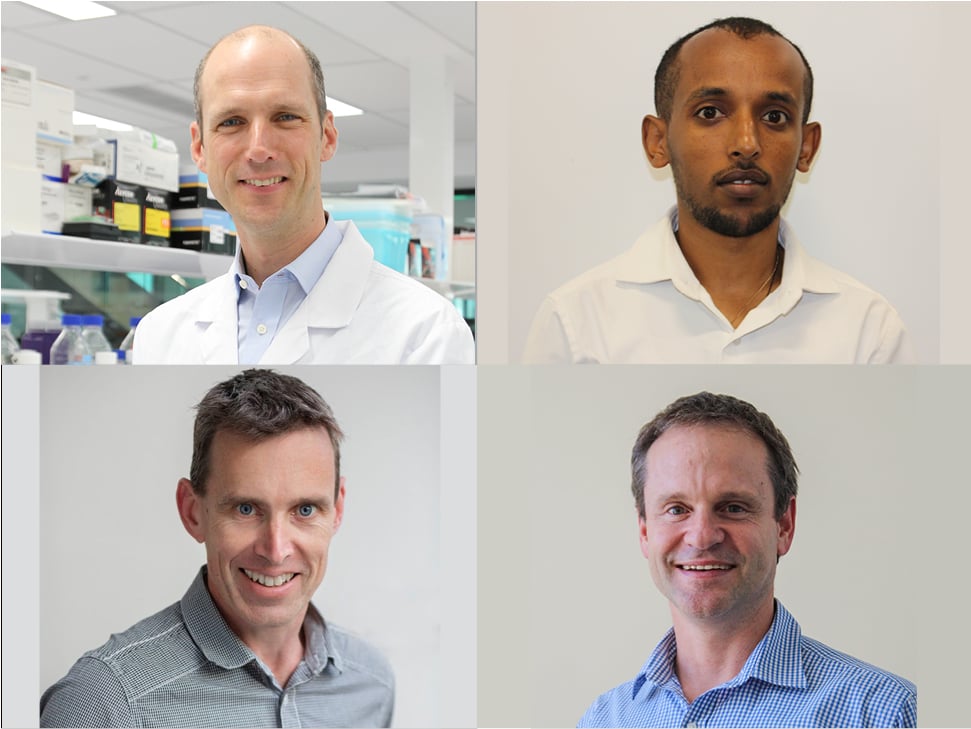
Researchers at The Kids Research Institute Australia have been awarded $4.6 million in national funding from the National Health and Medical Research Council (NHMRC) and Medical Research Future Fund (MRFF) to help support child health research.
Pineal parenchymal tumors are rare neoplasms for which evidence-based treatment recommendations are lacking. These tumors vary in biology, clinical characteristics, and prognosis, requiring treatment that ranges from surgical resection alone to intensive multimodal antineoplastic therapy.
Our international team highlights issues with efficacy reports in several studies on DMG with the new drug ONC201.