Skip to content

Search

Assessment of on-time vaccination coverage in population subgroups: A record linkage cohort study

On-time coverage of the 2-4-6 month schedule is only 50-60% across specific population subgroups representing a significant avoidable public health risk

Effectiveness of a 3 + 0 pneumococcal conjugate vaccine schedule against invasive pneumococcal disease among a birth cohort of 1.4 million children in Australia

Our population-based cohort study demonstrates that >90% coverage in the first year of a universal 3 + 0 PCV program provided high population-level protection

Systematic chemical and molecular profiling of MLL-rearranged infant acute lymphoblastic leukemia reveals efficacy of romidepsin

Present a valuable resource for drug discovery and have identified ROM as a promising therapeutic for MLL-rearranged iALL

All through the night

For the parent of a child living with diabetes, sleep no longer represents the relaxing slumber that it used to.

New funding targets diabetes and heart disease health service gaps

Researchers will work with Aboriginal & Torres Strait Islander women in SA to devise better ways to care for women at risk of pregnancy complications caused by diabetes and cardiovascular disease.

Childhood Hospitalisation with Infection and Cardiovascular Disease in Early-Mid Adulthood: A Longitudinal Population-Based Study

We investigated whether childhood infection-related hospitalisation (IRH, a marker of severity) was associated with subsequent adult CVD hospitalisation.

Modelling the seasonal epidemics of respiratory syncytial virus in young children

This paper describes a mathematical model used to predict when an epidemic of respiratory syncytial virus (RSV) will occur so that preventive measures, such...

How Accurate Are International Classification of Diseases-10 Diagnosis Codes in Detecting Influenza and Pertussis Hospitalizations in Children?

Influenza diagnosis codes had high specificity (98.6%) and modest positive predictive value (PPV; 84.1%) and sensitivity (86.1%) for a laboratory-confirmed...

How to support a friend who has type 1 diabetes

Clinical psychologist from the Children's Diabetes Centre Dr Keely Bebbington has some top tips on how to support a friend who has type 1 diabetes.

Can linked emergency department data help assess the out-of-hospital burden of acute lower respiratory infections

There is a lack of data on the out-of-hospital burden of acute lower respiratory infections (ALRI) in developed countries.

Fearless Emily: Why we research Type 1 Diabetes

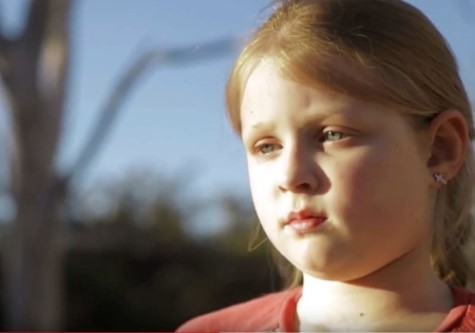
Eight-year-old Emily has type 1 diabetes, a lifelong chronic disease that requires constant management and vigilance to keep blood glucose levels on target. It is a relentless disease, not just on individuals but also on families.

Hospitalisation for bronchiolitis in infants is more common after elective caesarean delivery

The authors previously reported an increased risk of hospitalisation for acute lower respiratory infection up to age 2 years in children delivered by...

Crowding and other strong predictors of upper respiratory tract carriage of otitis media-related

We investigated predictors of nasopharyngeal carriage in Australian Aboriginal and non-Aboriginal children.

Djaalinj Waakinj: A cohort study of otitis media in young urban Aboriginal children – prevalence, risk factors and consequences

Chris Deborah Peter Natasha Valerie Brennan-Jones Lehmann Richmond Morrison Swift PhD AO, MBBS, MSc MBBS MRCP(UK) FRACP Head, Ear and Hearing Health

Cholesterol and blood pressure drugs help teens with diabetes

The study involved screening young people to learn more about the development of long-term kidney, eye and cardiovascular complications in adolescents with T1D.

Diabetes research the big winner at this year’s Raine Awards

Children’s Diabetes Centre researchers at The Kids Research Institute Australia are among the big winners of prestigious Raine Medical Research Foundation Awards.

Being a good friend to someone with diabetes

Teens with diabetes may sometimes feel alone and even embarrassed about their diabetes. We asked Professor Donna Cross, for her tips for being a good friend.

Revolutionising diabetes management for children and families

Imagine living with a condition that requires you to make approximately 180 health- related decisions every day for the rest of your life.

Sport resources key to encouraging physical activity in youth living with type 1 diabetes

Sports coaches across Australia can now access WA-designed sport resources, which aim to help coaches better understand type 1 diabetes (T1D) and encourage children living with the condition to stay in sport.

First Early-Stage Type 1 Diabetes Clinic underway in WA

An Early-Stage Type 1 Diabetes (T1D) Clinic aims to revolutionise diabetes care and support families navigating the beginning of an early-stage T1D diagnosis.