
Search
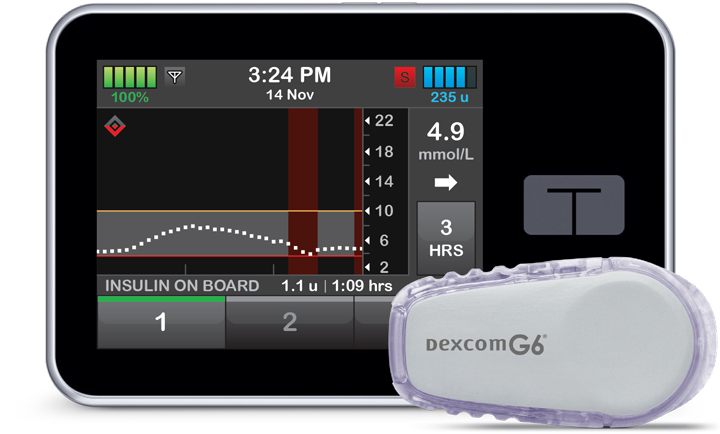
Control IQ (CIQ) is an advanced hybrid closed loop system designed to ease the burden and stress involved in the daily decision making around diabetes management.

The Children’s Diabetes Centre at Perth Children’s Hospital is excited to announce that we have successfully acquired limited supplies of the Dexcom G6 continuous glucose monitoring system.

We have just launched the Telethon Kids Discovery Centre Schools Program for 2021. The program is FREE for Terms 1 and 2 and is a great opportunity for schools to pilot an educational science excursion at no cost.
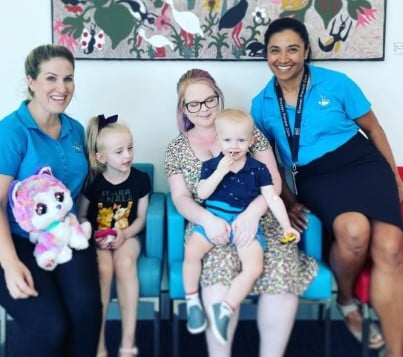
Meet Winter and Fox. The siblings are the first two participants in Australia to become involved in a new study using continuous glucose monitoring for measuring blood glucose levels in children at high risk of developing type 1 diabetes but who are not yet showing clinical signs of the condition.

Have you had the chance to listen in on JDRF Australia’s T1D Tune In interview with Professor Liz Davis?

Diabetes burnout is a state in which someone with diabetes grows tired of managing their condition, may ignore it for a period or become disengaged with diabetes management.
Perth Children’s Hospital’s Diabetes Clinic has had a few queries about the new Dexcom G6 sensor, which recently became available in Australia.

Swimming safety Remember that your pump should not be disconnected for more than two hours at a time — if you disconnect your pump for swimming,

Love them or hate them, but sleepovers are a popular pastime for children. Understandably, parents of children living with type 1 diabetes might be hesitant to leave them in someone else’s care for an extended period, but there are ways to ensure that everyone is prepared for a safe experience.
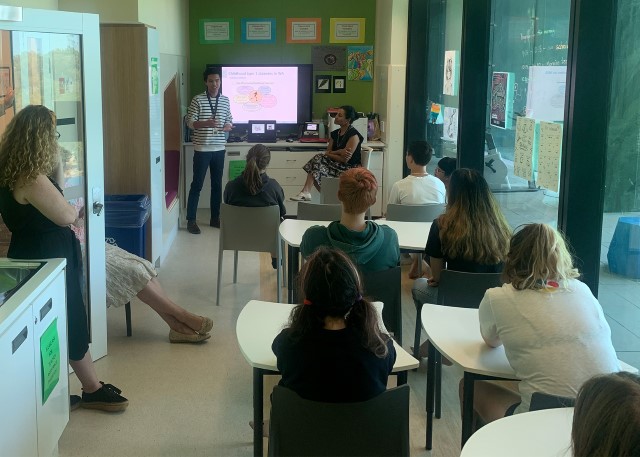
Our head of epidemiology research Dr Aveni Haynes and exercise researcher Dr Wayne Soon were lucky enough to be invited to Perth Children’s Hospital School to discuss type 1 diabetes and the research we are doing here at the Children’s Diabetes Centre.