
Search
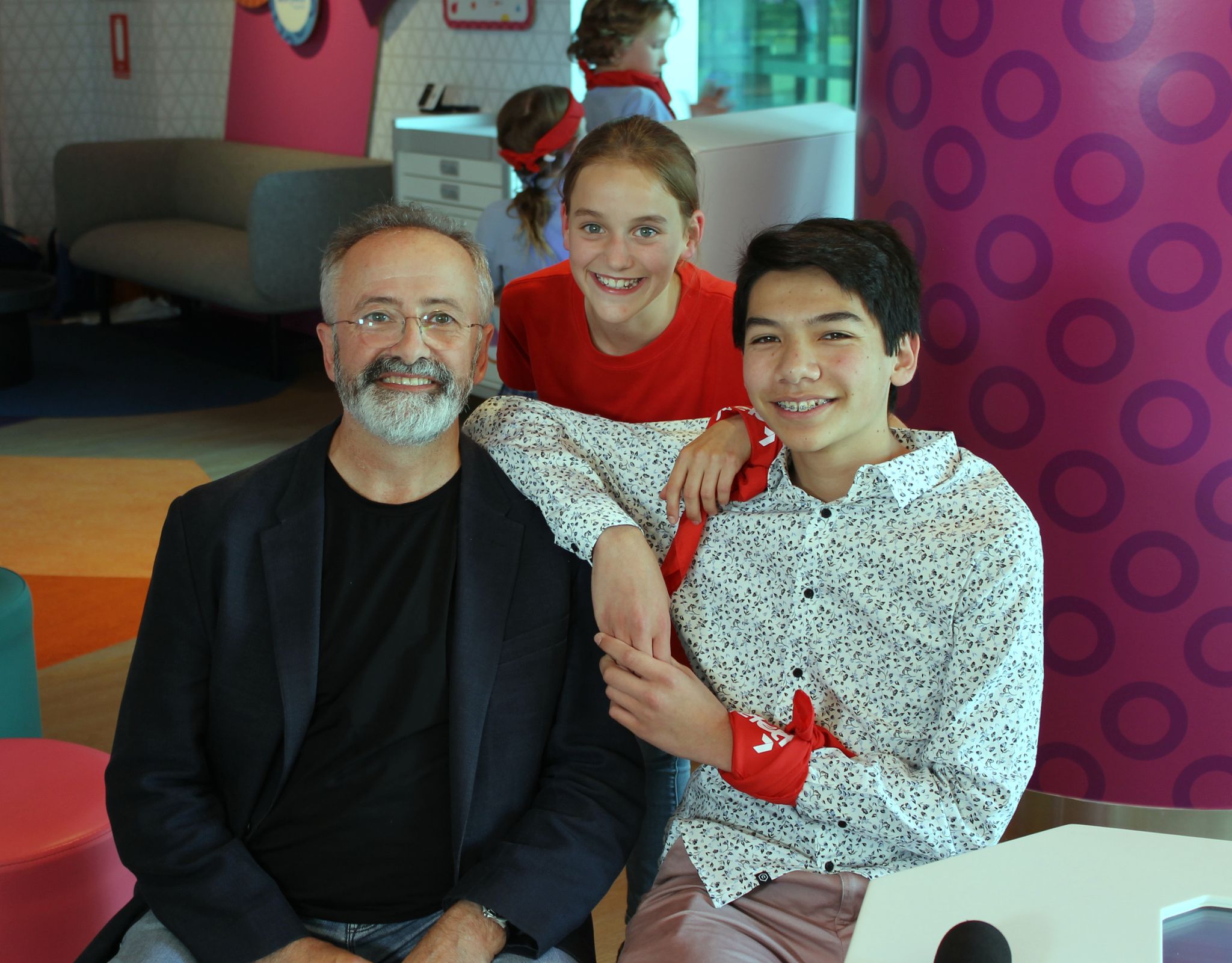
Did you catch the kids’ takeover Telethon segment on the weekend? If so, you may have spied James Fernihough hanging out with Ch 7 television personality Andrew Denton in the The Kids Discovery Centre.
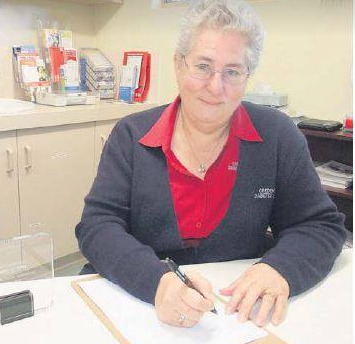
After more than 25 years in the diabetes space, clinical nurse and credentialled diabetes educator Maxine Schlaeppi has retired.v
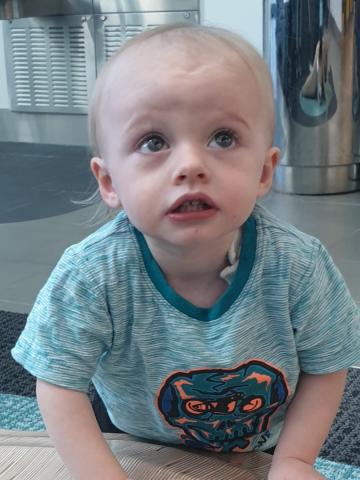
Looking at him now, it’s hard to believe busy one-year-old toddler Kye Gilbert was extremely unwell in Perth Children’s Hospital’s critical care unit with a new diagnosis of type 1 diabetes just a few months ago.
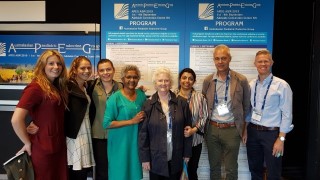
Over the past few months, our researchers have zig-zagged the globe to share their type 1 diabetes research at major scientific meetings and conferences.
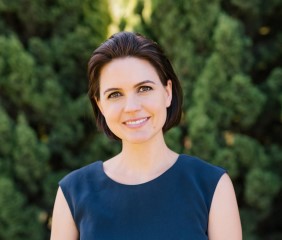
We’re super excited to welcome Dr Amelia Harray to our research team. Amelia looks forward to strengthening the focus on food research to help children with type 1 diabetes and their families.
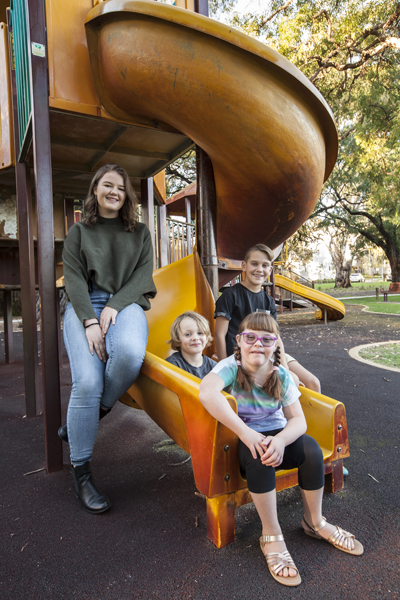
Perth Children's Hospital's upcoming diabetes self-efficacy group has availability for children with type 1 diabetes aged five to 10 years.
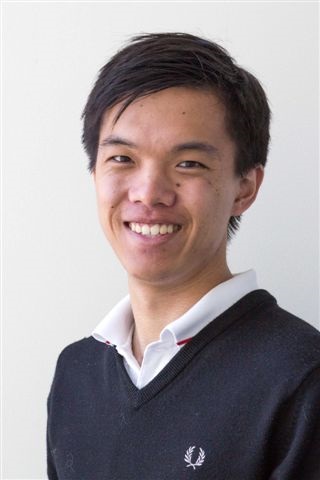
Our exercise researcher Wayne Soon talks about why he became a diabetes researcher in The West Australian's ED! liftout, published August 20.

Perth Children’s Hospital’s Endocrinology and Diabetes Department is seeking donations of old Apple iPhones — no older than model 6 — to pass on to families starting on continuous glucose monitoring.

Our researchers have been busy. Here's a look at some of their work to be published recently.

Our exercise researchers have been working with young people with type 1 diabetes to create an app and we need your help to name it!