
Search

The Dexcom G6 CGM system will be available through the NDSS to all our patients with Type 1 diabetes.
Study: Self-Compassion for Young People with Type 1 Diabetes PARTICIPANTS NEEDED: We are looking for young Australians 14-17 years with type 1
Perth researchers have been awarded new West Australian funding to launch a pilot study into the use of oral insulin in type 1 diabetes – a medication intervention that could be a game-changer for those with the chronic condition.

We asked our nutrition research lead and Accredited Practising Dietitian, Dr Amelia Harray, for her advice on how to enjoy food and stay on track with managing type 1 diabetes over Christmas.
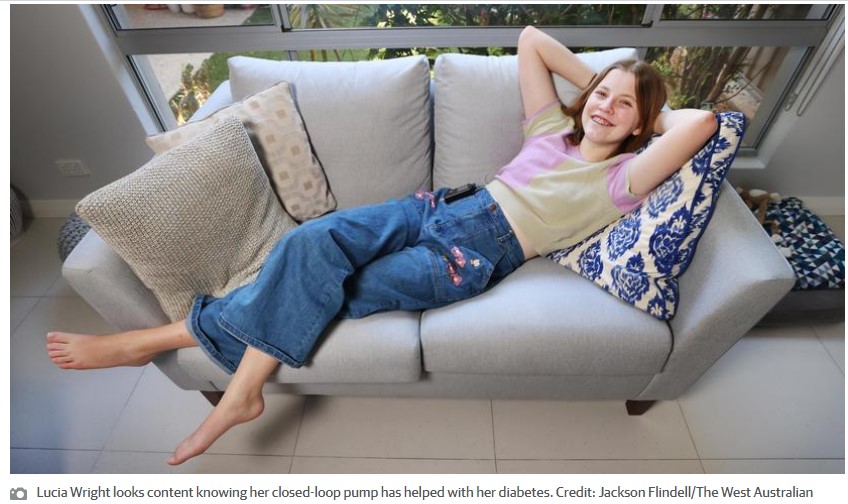
New Insulin delivery technology improves quality of life and offers better glucose control in young people living with type 1 diabetes.

Would you like to share your story or research experience?
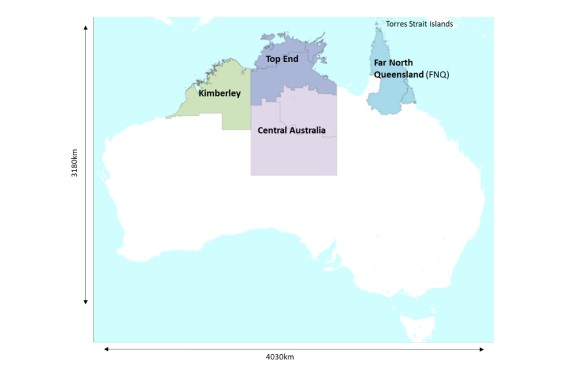
Explore new research on youth-onset diabetes at The Kids' Institute, uncovering insights to improve health outcomes for young patients in Northern Australia.
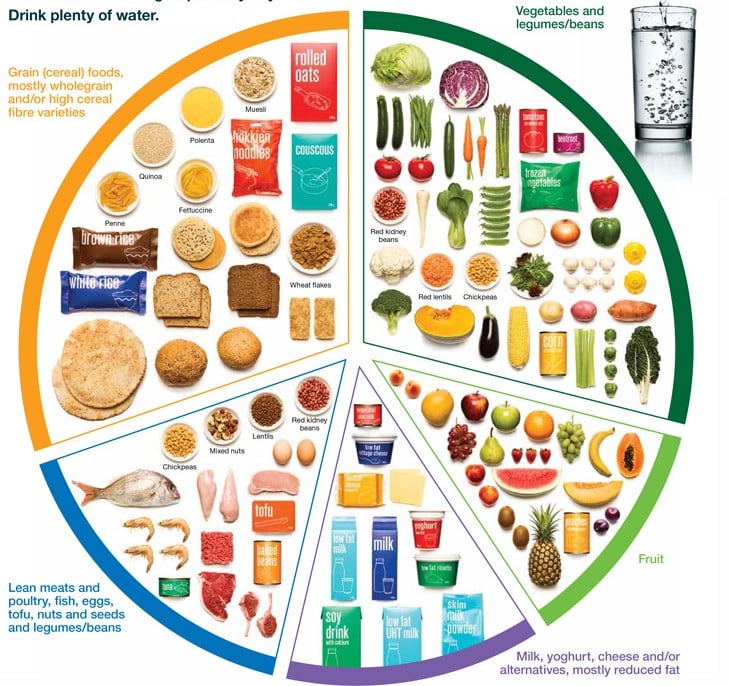
(NHMRC, 2013)

A world-first clinical trial has shown young people with type 1 diabetes have better glycaemic control and quality of life while on hybrid closed loop (HCL) systems versus conventional treatments, Australian endocrinologists say.

The Dexcom G6 Early Access Program has so far been a huge success. The program commenced in May, and offered early access to the Dexcom G6 system to eligible patients.