Skip to content

Search

Showing results for "1"

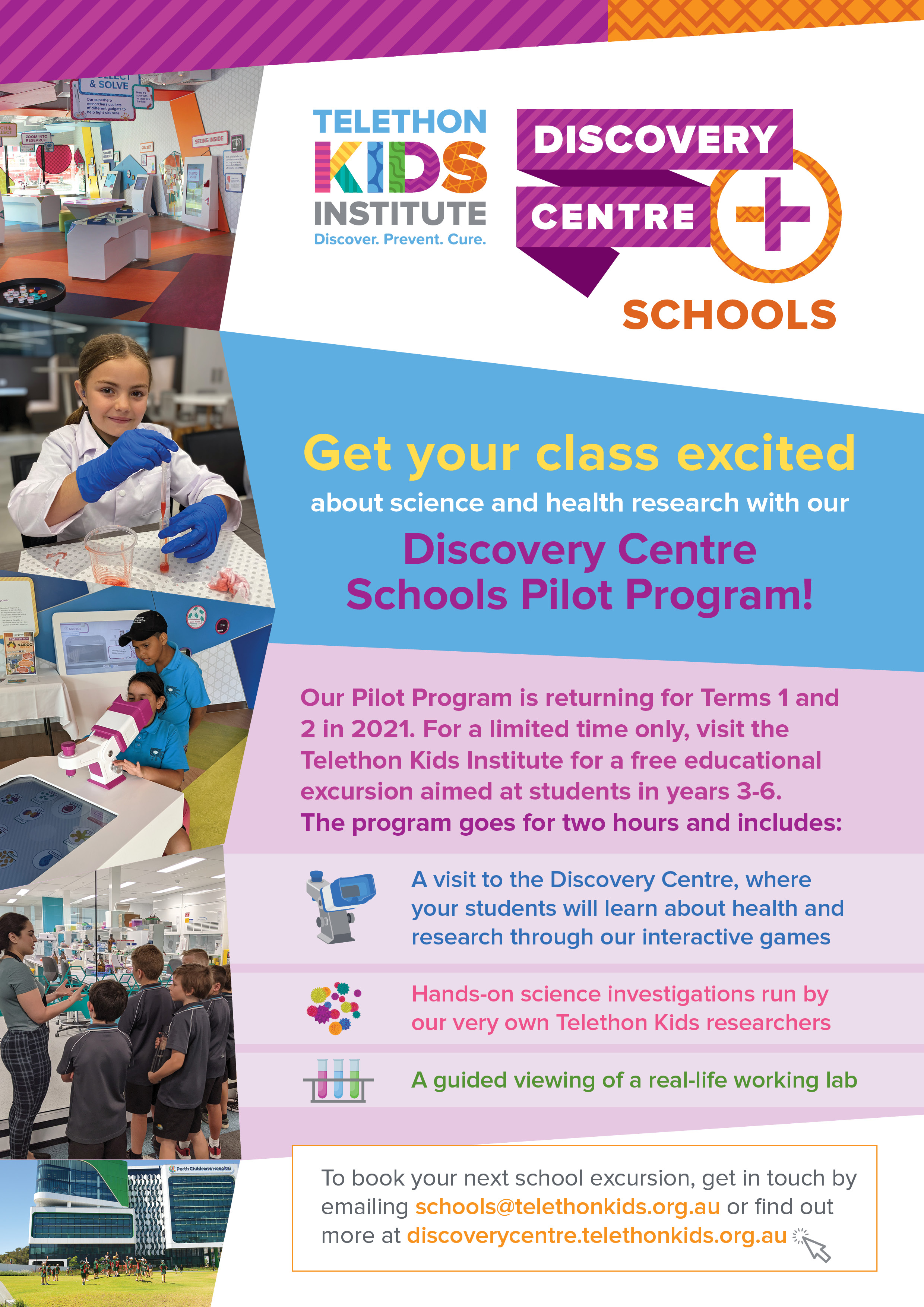
STEM festival is coming to Kalgoorlie this August

Free Family-Friendly Science Fun During National Science Week 2025. Get ready for an awesome adventure into the world of Science, Technology, Engineering and Mathematics!

Maternal and Child Mental Health and Wellbeing

Examining the pathways of perinatal maternal mental health that influence child mental health and wellbeing outcomes.
Co-directors

Read about Professor Tim Jones and Associate Professor Liz Davis, co-directors of the Children's Diabetes Centre.

Diabetes researcher Dr Aveni Haynes awarded prestigious international fellowship

Congratulations to Principal Research Fellow Dr Aveni Haynes from The Kids Research Institute Australia and the University of Western Australia.

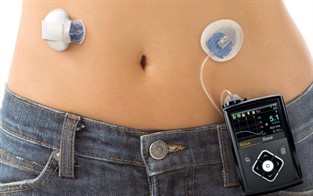
Hybrid Closed Loop insulin delivery system has potential to restore hypoglycaemia awareness

Short term use of a hybrid closed loop system might preferentially benefit people with type 1 diabetes who have impaired awareness of hypoglycaemia (IAH), according to new research from the Children's Diabetes Centre.

Navigating the teen years

Teenage years can be a challenging time for families, a period made all the more difficult if a child has Type 1 Diabetes.

Netball star on the ball

West Coast Fever netball player Verity Charles is proof that living with T1D doesn't mean your sporting dream has to take a backseat to your condition

Diabetes education at home trial

We recently ran a study to compare the traditional model of care with a family-friendly, slower-paced, home-based alternative.

Nonvital Pulp Therapy in Primary Teeth Using Mineral Trioxide Aggregate Obturation: A Retrospective Case Series

Nonvital pulp therapy is a treatment option that can preserve pathologically affected primary teeth and contribute to space maintenance. This retrospective case series examined the healing effects in infected primary teeth after pulpectomy using mineral trioxide aggregate obturation and eruption characteristics of the succedaneous teeth. 

Investigation of associations between self-reported sensory processing, eating disorder symptoms, neurodivergence, and gender congruence from a lived experience lens

Eating disorders (EDs) are increasingly recognised among neurodivergent and transgender and gender diverse (TGD) individuals, yet most assessment and treatment models remain grounded in cisnormative and neuronormative assumptions and frameworks. Sensory processing, spanning interoception and exteroception, has been proposed as a potential factor that may help explain observed associations between neurodivergent traits, gender incongruence, and EDs.