
Search
Showing results for "autism"
Food allergy affects families' quality of life, can be lifelong and life-threatening, urging the identification of early modifiable risk factors. Formula feeding in the first days of life may increase the risk of cow's milk allergy, a risk often attributed to cow's milk allergens exposure. Early formula feeding also reduces the colostrum intake, the first 3 days' milk, which is rich in bioactive compounds critical for immune and gut health. This study investigates whether partial colostrum feeding increases the risk of food allergy beyond cow's milk.
Complementary feeding induces dramatic ecological shifts in the infant gut microbiota toward more diverse compositions and functional metabolic capacities, with potential implications for immune and metabolic health. The aim of this study was to examine whether the age at which solid foods are introduced differentially affects the microbiota in predominantly breastfed infants compared with predominantly formula-fed infants.
The trivalent inactivated influenza vaccine is safe, immunogenic, provides clinical protection and should be administered annually to immunosuppressed children receiving treatment for cancer
o help raise the profile of student wellbeing in the education system in Australia, The Kids Research Institute Australia and SA Department for Education through the Fraser Mustard Centre, set out to adapt and trial a population-level student wellbeing measure that could be used across the entire public and p
Cystic fibrosis (CF) is the most common chronic, life-shortening genetic condition affecting young Australians. There is no cure but researchers are working to prevent the onset of lung disease.
According to the Young Minds Matter study, mental health disorders such as anxiety and depression are experienced by approximately one in seven or 560,000 young people in Australia. These disorders can often have a significant impact on children’s learning and development and on family life.
One in eight children have asthma, a chronic disease of the airways in the lungs. It results in shortness of breath, chest tightness, wheezing and coughing.
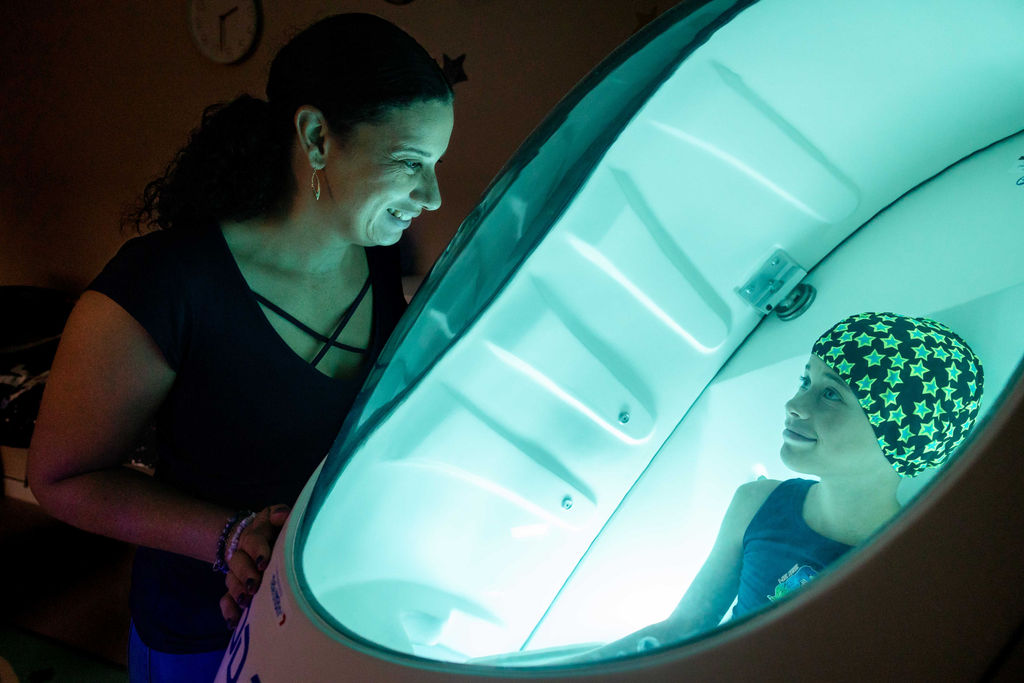
As well as ORIGINS long-term core research, there are a number of clinical trials, early interventions and shorter-term research studies that sit within ORIGINS. Known as sub-projects, these studies look at multiple aspects of child and family health and development.

ORIGINS has a large number of sub-projects exploring the link between a mother's diet during pregnancy and health outcomes of the child. Projects also explore nutrition and eating habits during the early years as well as general gut health

The Youth Mental Health team’s vision is to improve the mental health of young people, their families and communities locally, nationally, and internationally.