
Search
Showing results for "Neuromuscular disorders "
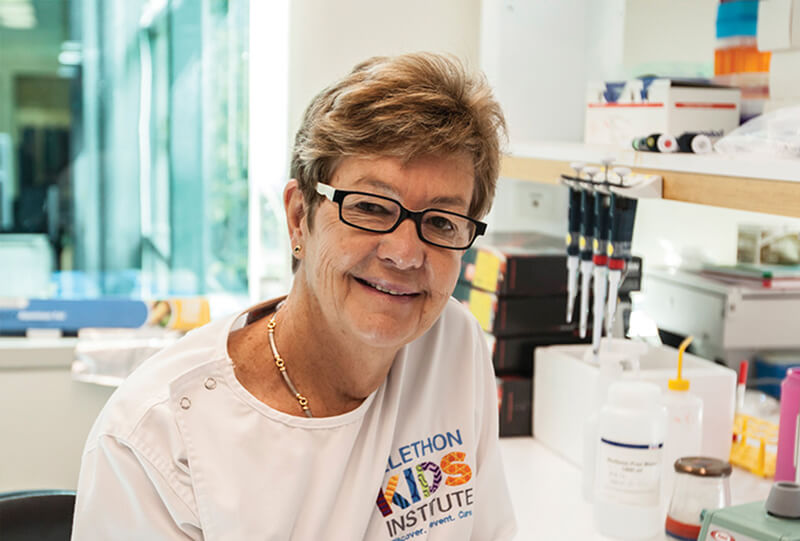
People at risk of developing multiple sclerosis (MS) have been offered a beacon of hope thanks to research into UV exposure.
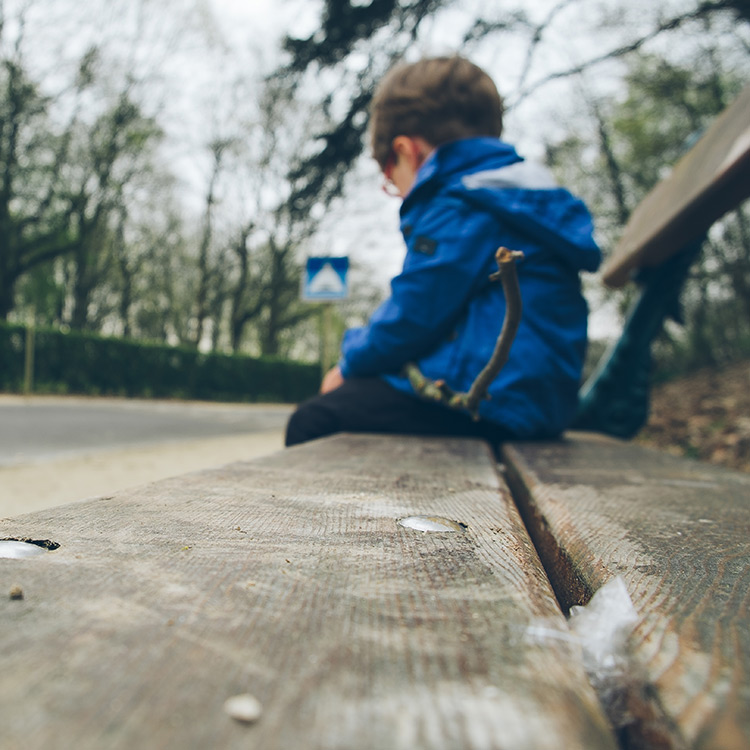
A new study has found children with disabilities are 3 times more likely to be maltreated compared to other children but that risk varies by type of disability.
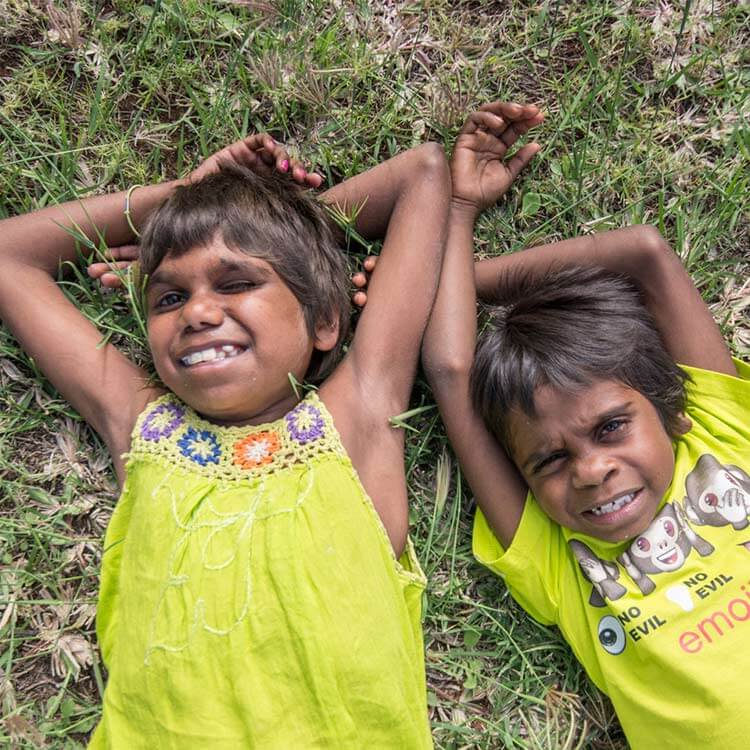
A new project aimed at reducing Fetal Alcohol Spectrum Disorder (FASD) in the Pilbara has been launched today in South Hedland.
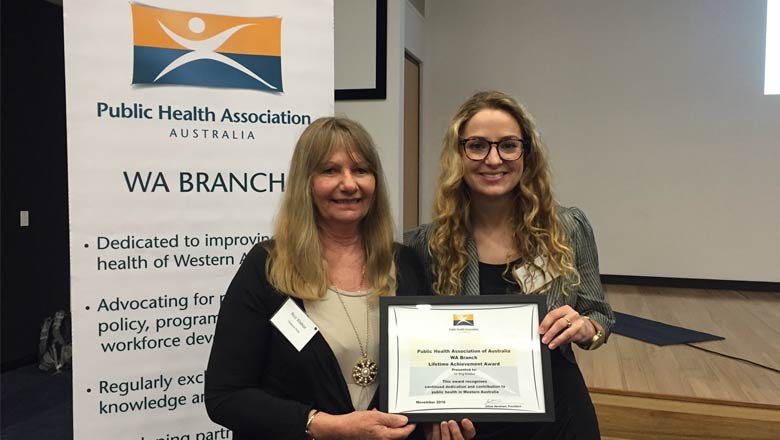
Two The Kids researchers working to improve the health & wellbeing of Aboriginal children & their families have both been honoured at the PHAA Awards.

Project D-Light aims to understand and harness the benefits of vitamin D and sunlight for Australian children while protecting them from excess UV.
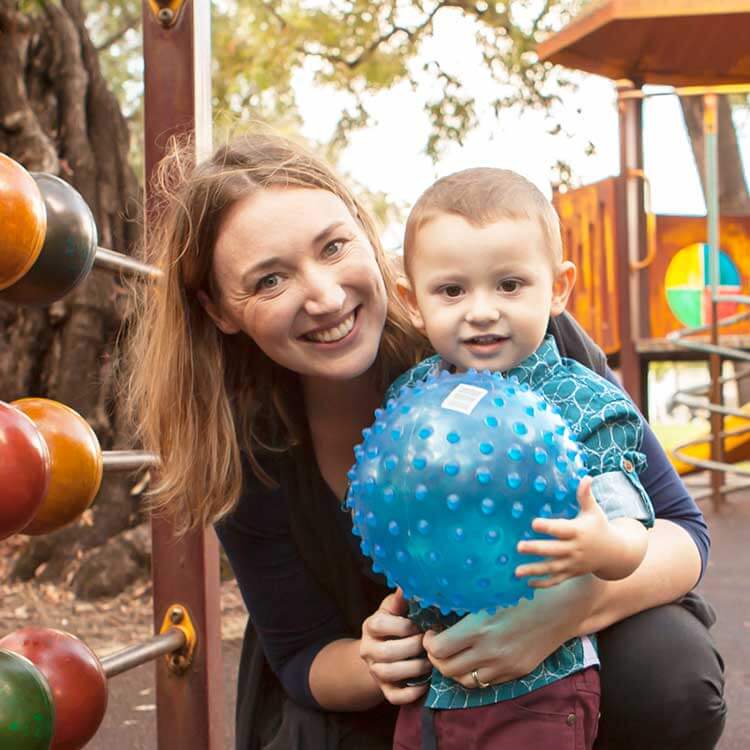
Researchers around the world, including at The Kids Research Institute Australia, are playing catch up as they try to understand what is causing the big increase in allergies
he new Director of Perth's Telethon Institute for Child Health Research says his focus will be to ensure that high quality research is effectively translated

A new study from Perth's The Kids for Child Health Research shows an association between ADHD and a 'Western-style' diet in adolescents.
WA researchers awarded $9.7 million for ground-breaking child health studies
The Kids Research Institute Australia researchers will have continued access to the latest equipment to support and enable their important research, thanks to Maia Financial.