
Search
Showing results for "preterm birth lungs"
The main objective of the study is to establish a comprehensive register of congenital and acquired heart disease in WA with accurate re-classification of all cases through Princess Margart Hospital using international diagnostic codes.
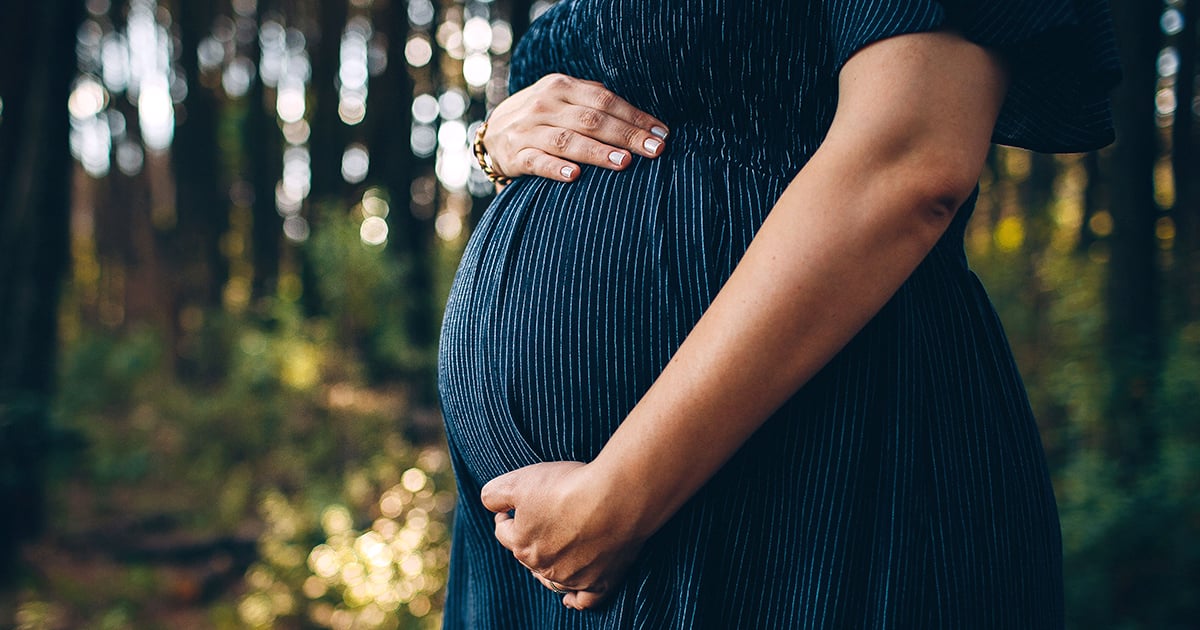
New research from The Kids Research Institute Australia suggests a simple dietary intervention during pregnancy could help protect against the increased risk of food allergies associated with antibiotics taken before birth.
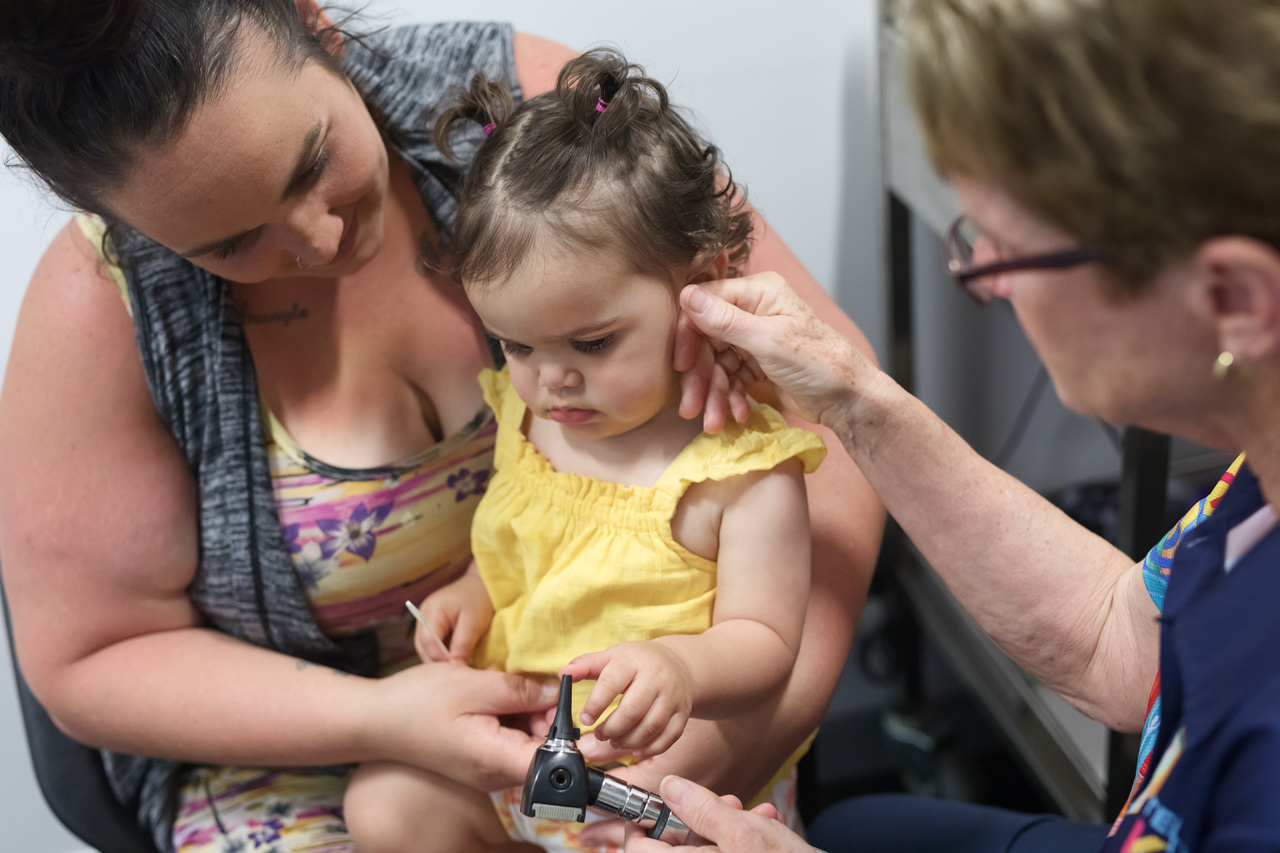
Researchers from The Kids Research Institute Australia have been awarded a $1.1 million NHMRC ‘Targeted Call for Hearing Health’ grant to conduct the first ever study following Aboriginal babies from birth through to five years to uncover the true prevalence of middle ear infections and hearing loss.
Publications, papers and findings coming out of ORIGINS and its sub-projects
Coming up in 2021 Contact us We have a a study to suit every age range in 2021! From babies at just six weeks for the FluBub Study, through to
Contact us If you'd like to get in touch, please contact us by phone or email. Phone: 0400 450 240 Email: vtg@thekids.org.au Respiratory Syncytial
In this study, we aimed to uncover the molecular mechanisms contributing to altered lung structure and function.
In this study, using a mouse model, we determined whether vitamin D deficiency in utero and during early life modulated the severity of asthma.
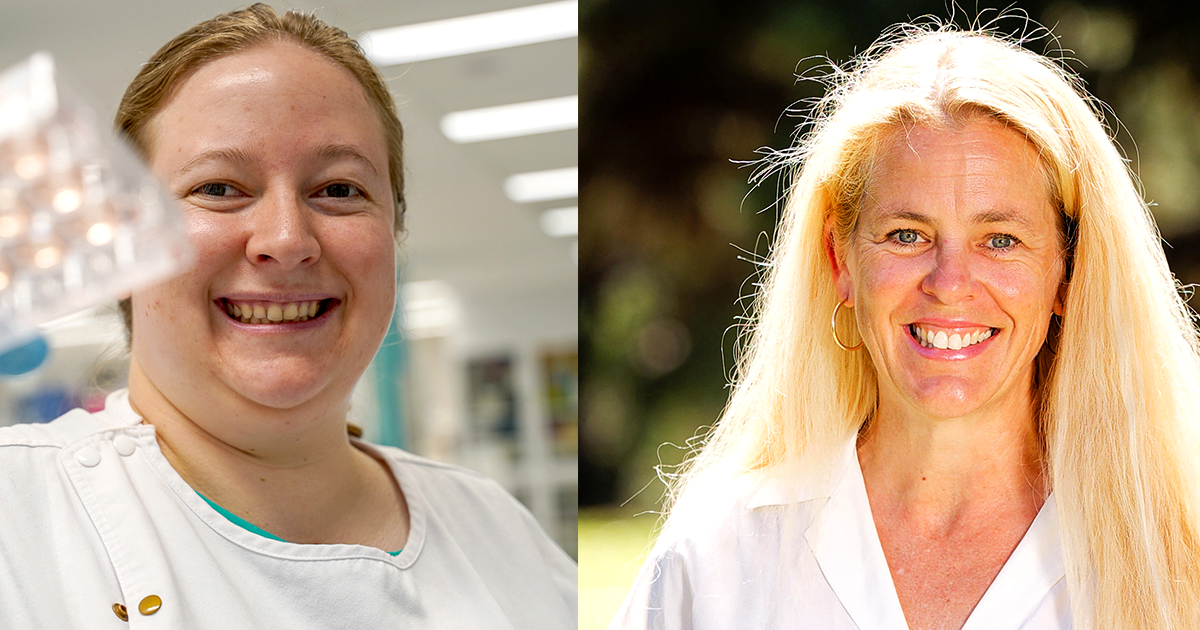
Two leading researchers from The Kids received significant endorsements to advance their research at last night’s Thoracic Society of Australia and New Zealand and the Australian and New Zealand Society of Respiratory Science (TSANZSRS) Annual Scientific Meeting in Adelaide.
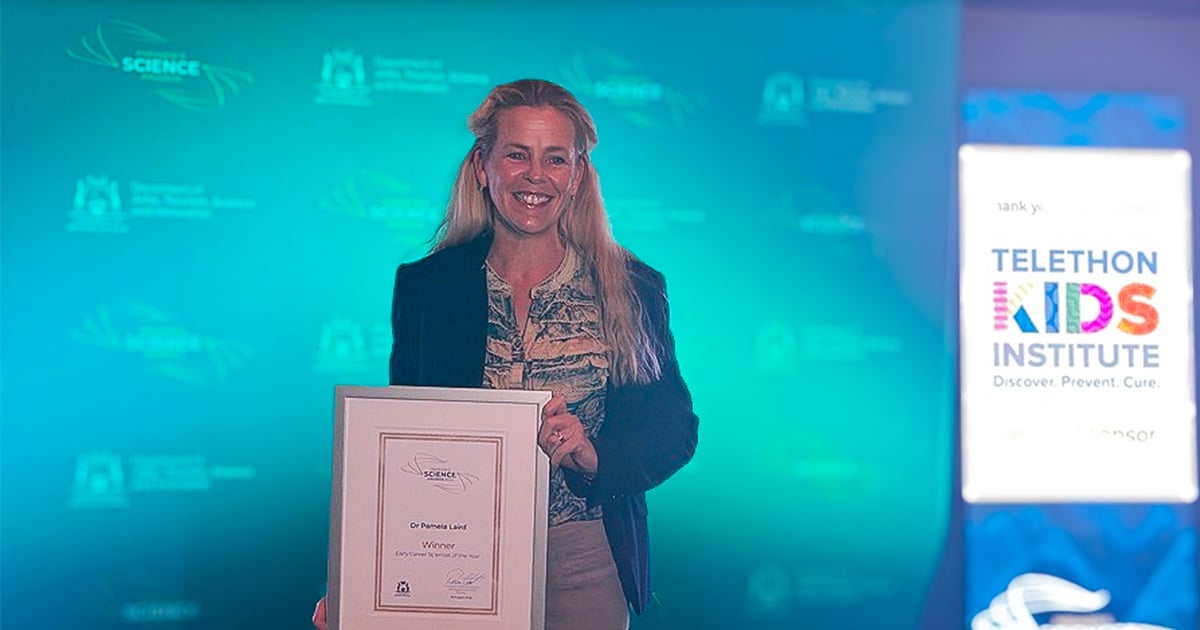
Congratulations to respiratory health researcher and clinician Dr Pam Laird, who was last night named joint winner of Early Career Scientist of the Year at the 2024 Premier’s Science Awards.