
The identification of reproducible subtypes within autistic populations is a priority research area in the context of neurodevelopment, to pave the w…
Past research has highlighted the importance of early identification of developmental differences to improve targeted access to early interventions o…
CliniKids has partnered with Autism CRC to deliver an online self-paced short course which explores the Recommendations included within the National…
Telehealth service delivery is used extensively in allied health to provide services to individuals who are not able to attend therapy sessions face…
The number of words children produce (expressive vocabulary) and understand (receptive vocabulary) changes rapidly during early development, partiall…
To evaluate the participation difficulties experienced by children with developmental coordination disorder in home, school, and community environmen…
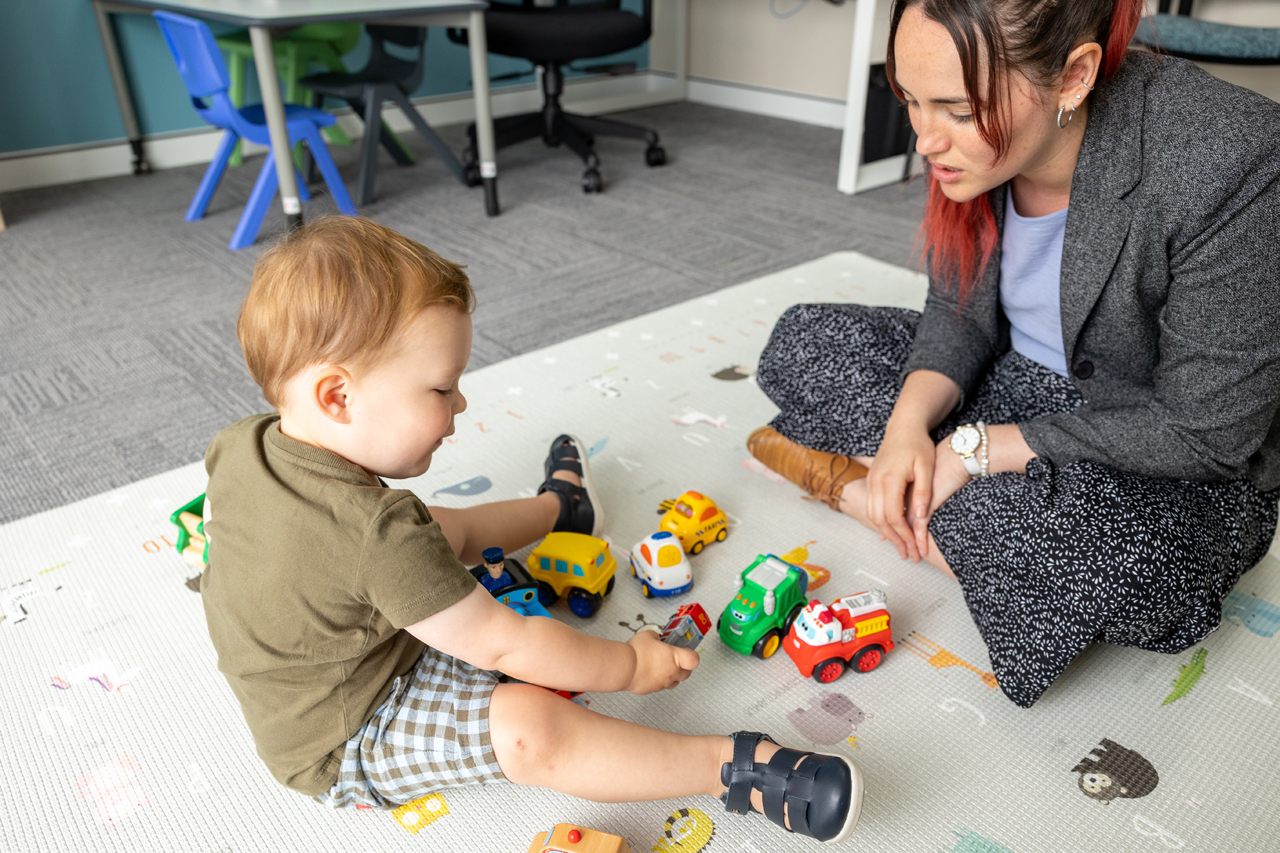
Are you tired of being on waitlists to access supports for your family? CliniKids has immediate availability for a number of therapies and programs i…

The Kids Research Institute Australia has welcomed the recommendations to come out of the State Government’s inquiry into support for autistic childr…
We tested the potential for Gazefinder eye-tracking to support early autism identification, including feasible use with infants, and preliminary conc…

The language we use shifts over time and the words we use are important. At CliniKids, we are committed to using language that is neuroaffirming and…