
Search
Showing results for "e-cigarettes"
This unique and innovative project will be the first to quantify the local food environment around all government and non-government Perth metropolitan primary and secondary schools.
Helen Jenny Leonard Downs MBChB MPH BApplSci (physio) MSc PhD Principal Research Fellow Head, Child Disability +61 419 956 946 08 6319 1763
Veterans who transition out of the military often face substantive challenges during their move to civilian life, including the management of their health, identifying opportunities for employment, contributing to the financial and emotional functioning of their household, and developing high-quality social connec
The overarching purpose of this research is to tackle a pressing public health challenge: the declining rates of physical activity among children and their increasing reliance on private vehicles for the daily school commute.
Susan Prescott MBBS BMedSci PhD FRACP Honorary Research Fellow susan.prescott@thekids.org.au Honorary Research Fellow Susan Prescott is a Professor
Debbie Susan Palmer Prescott BSc BND PhD MBBS BMedSci PhD FRACP Head, Nutrition in Early Life Honorary Research Fellow debbie.palmer@uwa.edu.au
Alexander David Deborah Larcombe Martino Strickland BScEnv (Hons) PhD BSc PhD PhD Honorary Research Fellow Head, Chronic Diseases Research Head,
The WA Food Atlas is an interactive tool to assess the food environment across local government areas and how it changes over time.
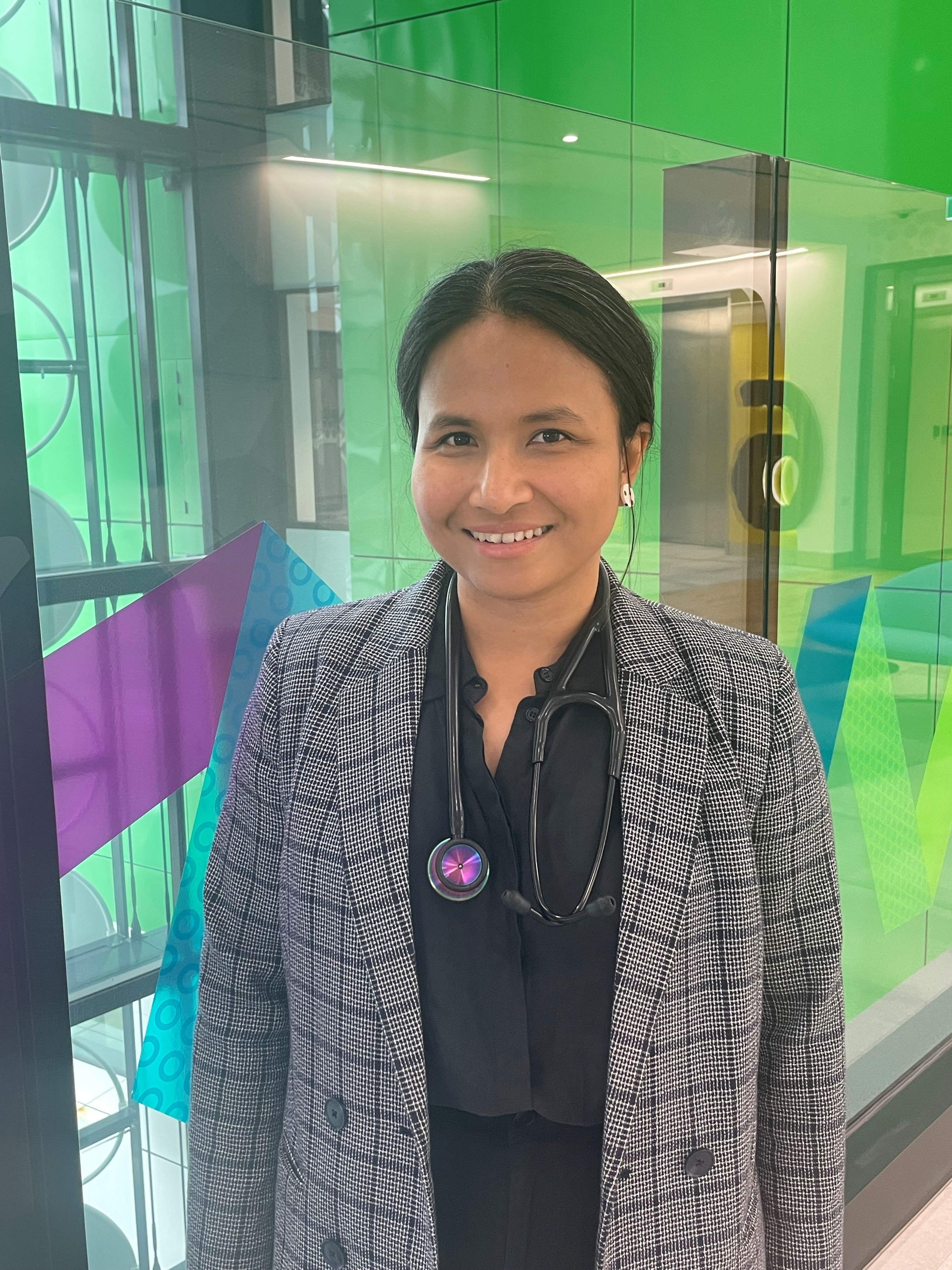
A surge in invasive group A streptococcal reports in Australia has prompted The Kids Research Institute Australia researchers to call for a unified national public health response, with cases tipped to increase.

Strengths-based, tiered, accessible, resources and supports (STARS) for Kids for parent, carers and their children.