
Search
Showing results for "e-cigarettes"
Language is one of the most remarkable developmental accomplishments of early childhood. Language connects us with others and is an essential tool for literacy, education, employment and lifelong learning.
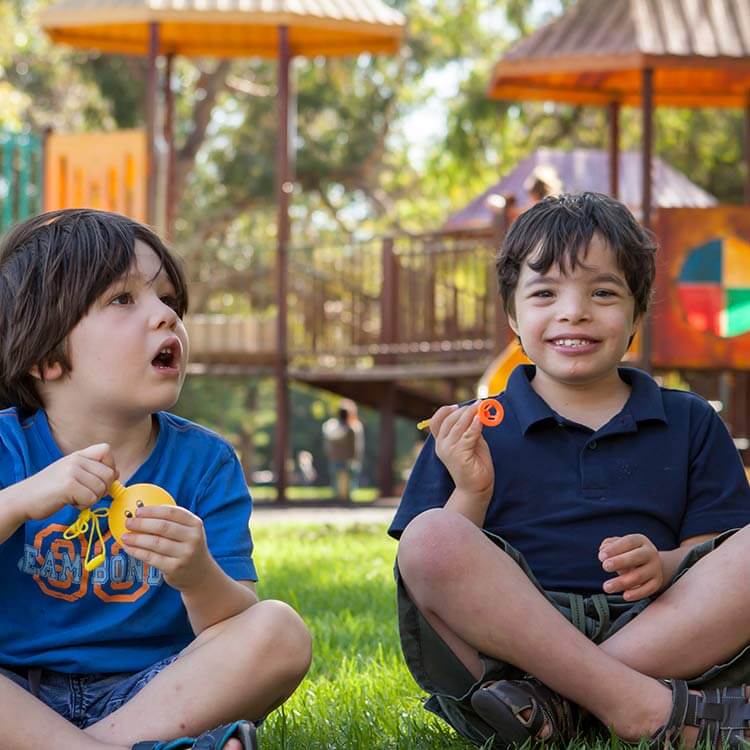
Improving the lives of children with a disability and their families sits at the core of our team.
The Strep A Burden of Disease Working Group (BoDWG) was first established in 2020 through the Strep A Global Vaccine Consortium (SAVAC).
Amidst the evolving COVID-19 pandemic, understanding the transmission dynamics of the SARS-CoV-2 virus is key to providing peace of mind for the community and informing policy-making decisions. While available data suggest that school-aged children are not significant spreaders of SARS-CoV-2, the possibility of transmission in schools remains an ongoing concern, especially among an aging teaching workforce. Even in low-prevalence settings, communities must balance the potential risk of transmission with the need for students' ongoing education.
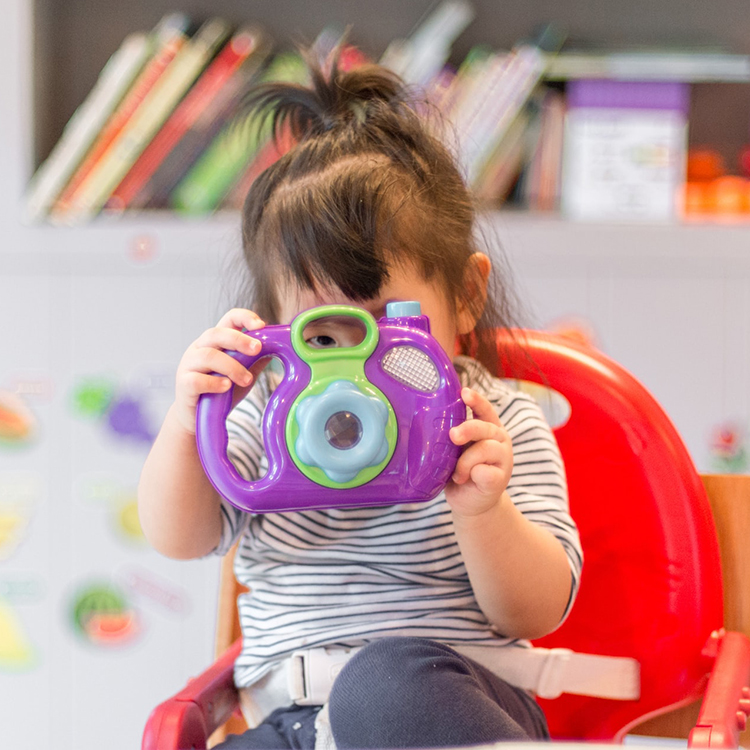
Kids Rehab WA is an integrated team of clinicians and researchers who deliver and research therapies for children with acquired or congenital neurological impairments, leading to improved outcomes for children and their families.
CONNECT-CP aims to diagnose cerebral palsy (CP) earlier and ensure all children in Western Australia (WA) have access to early assessment and support.
This study is a partnership between researchers, the Aboriginal community and government to provide evidence for policy and practice addressing high priority health and wellbeing issues for Aboriginal children and families.
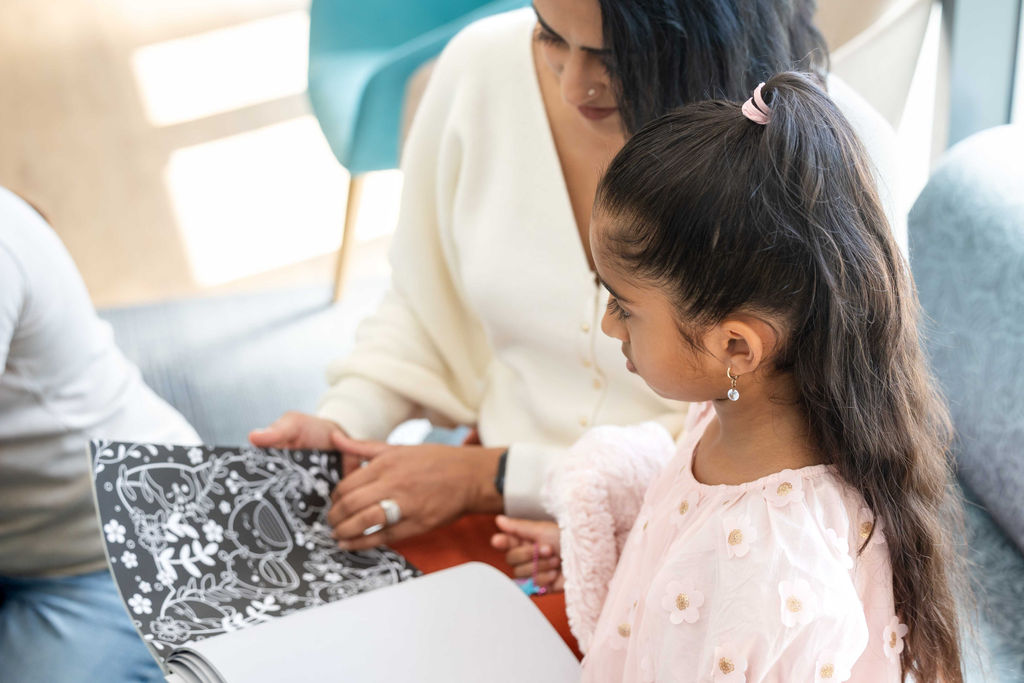
ORIGINS sub-projects are investigating the best way to provide support to new parents and positively influence the health and development of their children.
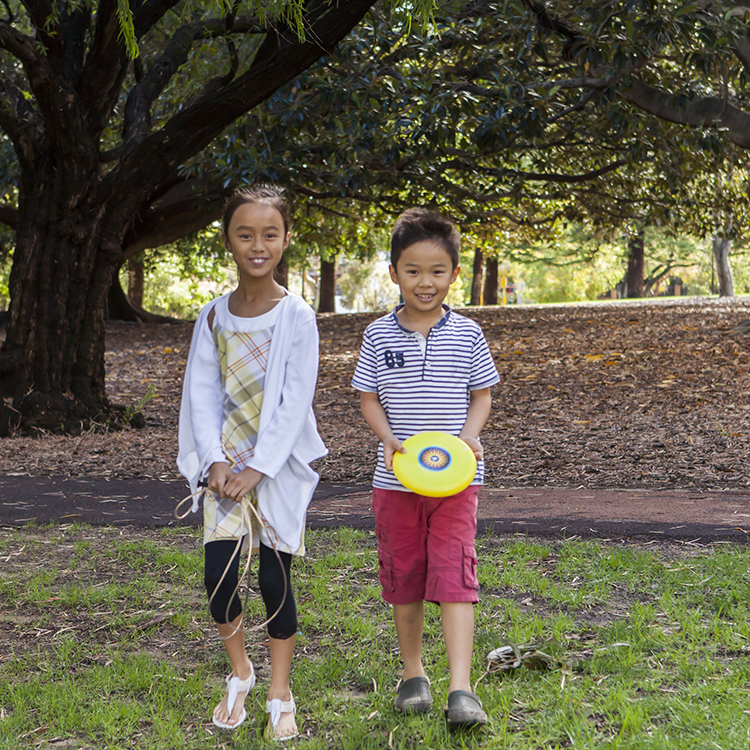
Our Child Health Analytics Team uses cutting-edge technologies to better understand how and why the health and wellbeing of children varies from place to place. We develop innovative geospatial methods that can harness large, complex datasets to pinpoint hotspots of elevated risk, evaluate change through time, and explore underlying drivers.
Every child deserves the best possible start in life. Evidence demonstrates the period from pre-birth to three years is a vital period of development. It lays the foundations for a child’s future and has life-long impacts on health, education, job opportunities, social inclusion and wellbeing.