
Search
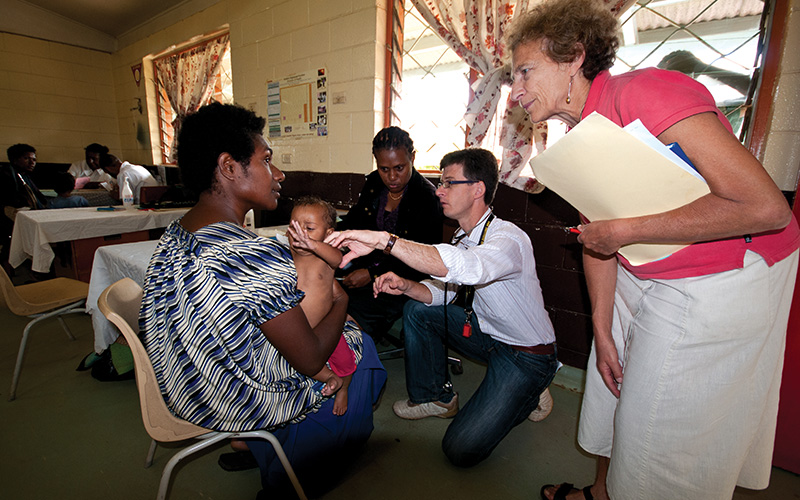
New research has revealed the extraordinary impact of a collaborative project between The Kids Research Institute Australia and the Papua New Guinea Institute of Medical Research, with rates of hospitalisation for pneumonia dropping by nearly 60 per cent thanks to the introduction of the pneumococcal vaccine
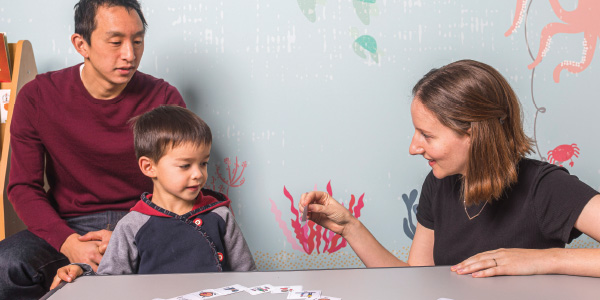
A long-held belief linking gut bacteria to autism has been debunked by an Australian research team that included researchers from CliniKids at The Kids Research Institute Australia.
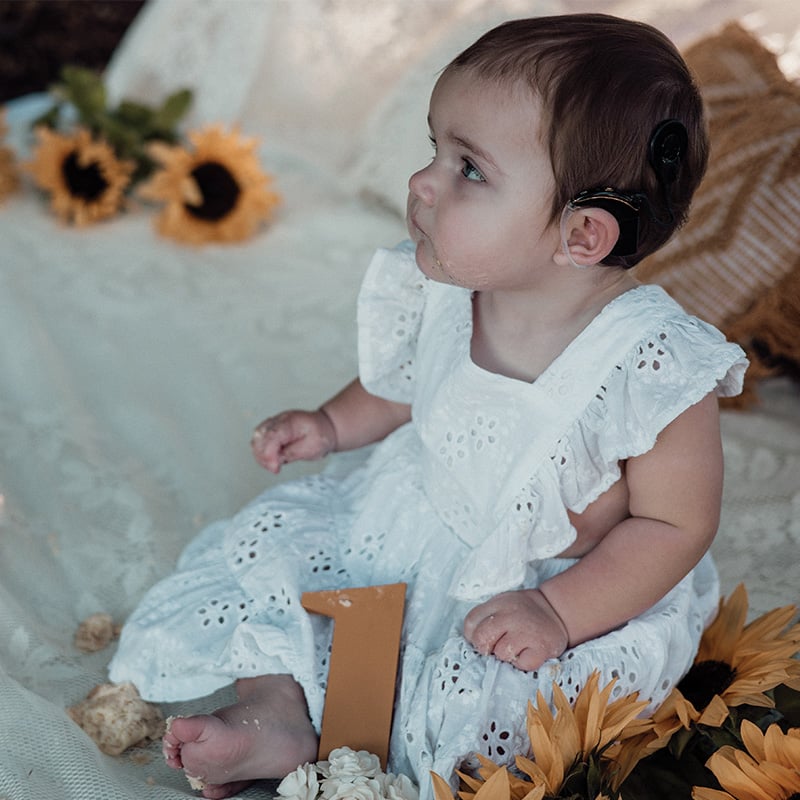
When Perth mum Lacy Swan’s daughter Charlotte failed the newborn hearing test at 3 days of age, the medical team explained it could simply be due to fluid on the ears.
Each day of school missed makes a difference, with the effect on learning accumulating over time. From an early age, if children are taught that they need to 'show up' for school and make a commitment, this positive mentality aids academic and career success and brings benefits in adulthood.
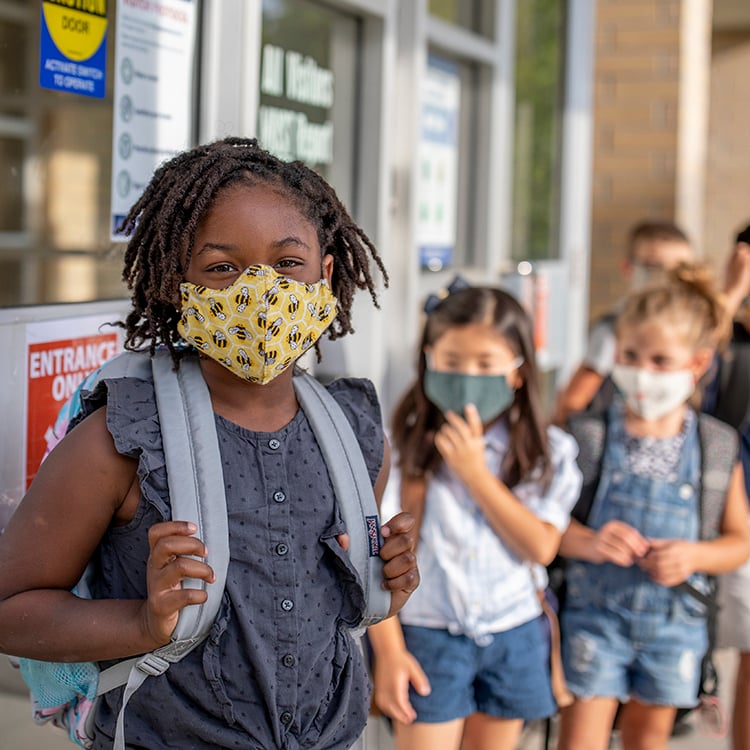
While COVID-19 is new and frightening, these resources are designed to help families tackle the challenges this virus has created for us.
One in eight children have asthma, a chronic disease of the airways in the lungs. It results in shortness of breath, chest tightness, wheezing and coughing.
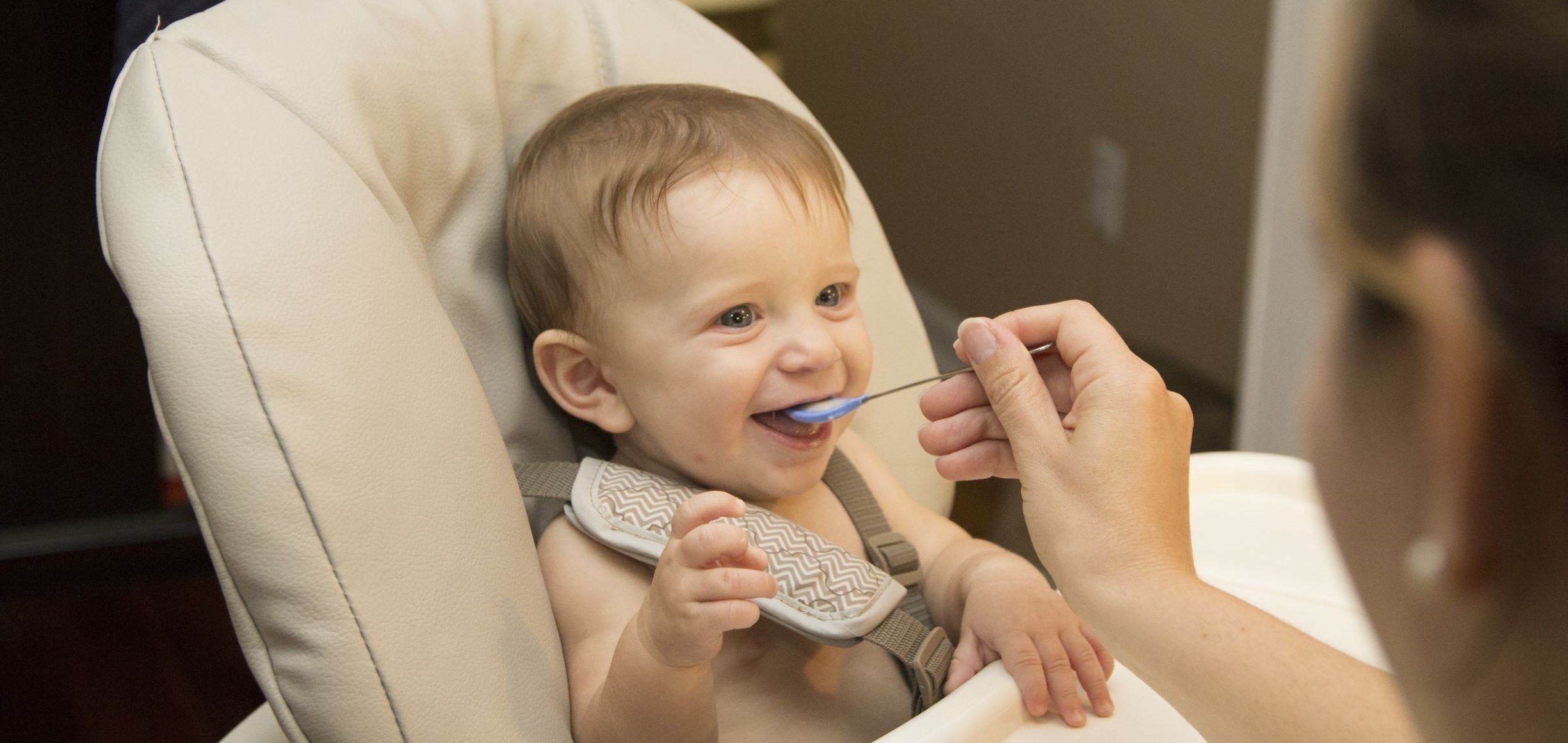
A dramatic rise in food allergies over the past 20 years had Australian medical professionals scratching their heads, with three in every ten babies born each year developing food-related allergy or eczema.
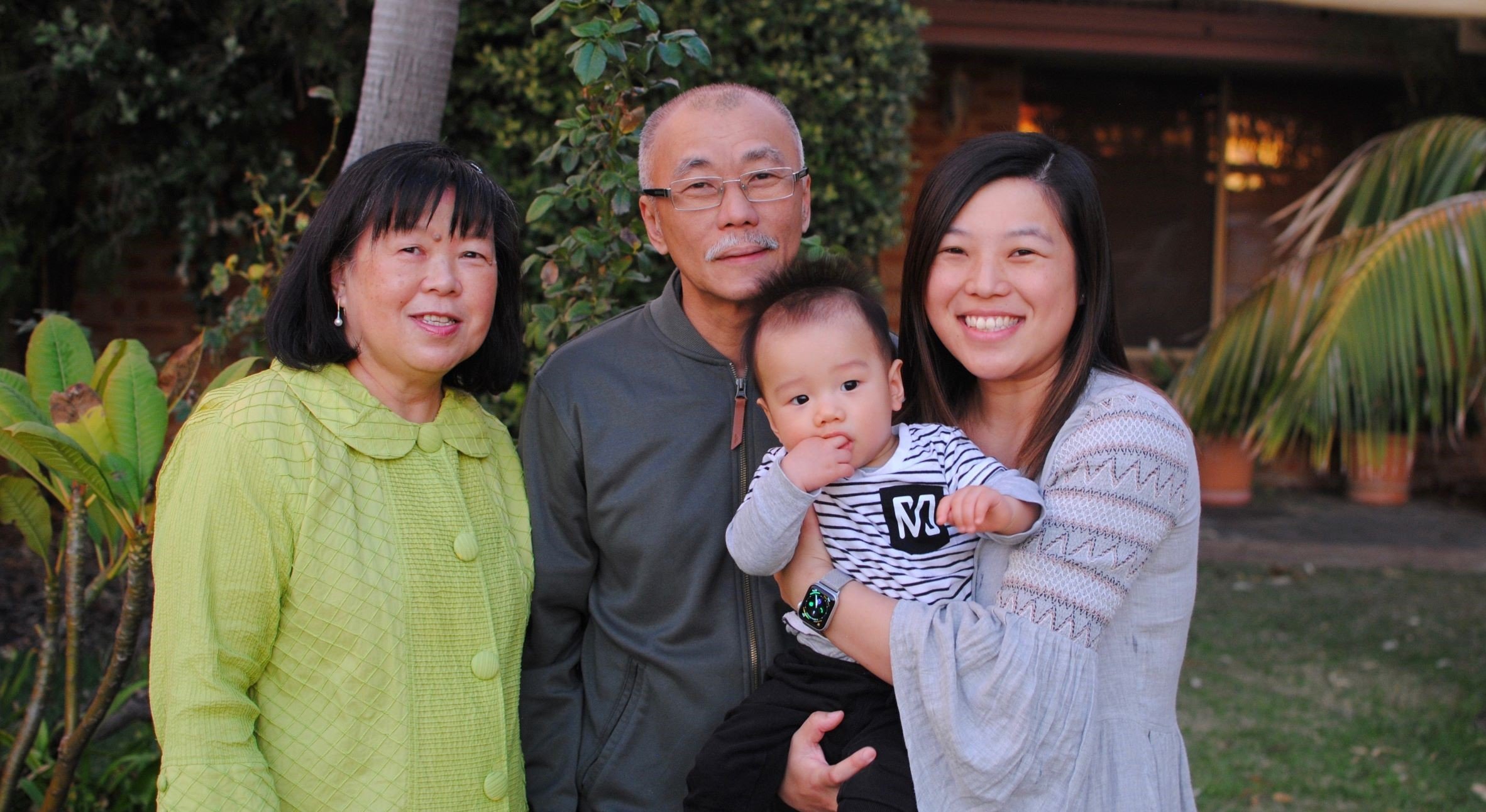
Between 1989 and 1991, almost 3,000 WA babies were recruited to the Raine Study - an ambitious research project which would yield a series of paradigm-shifting findings that changed scientific thinking. Three decades on, it has also changed the lives of those taking part.
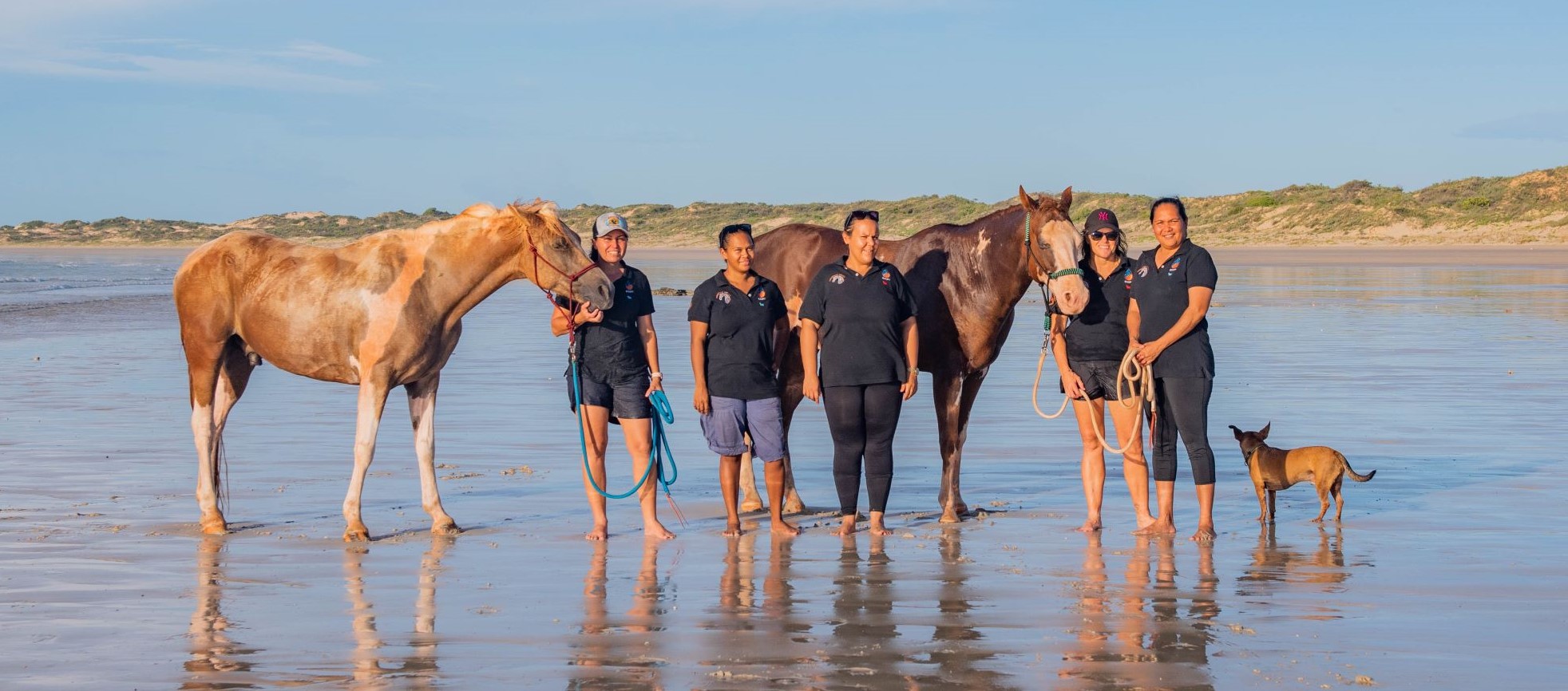
The Yawardani Jan-ga Equine-Assisted Learning (EAL) research project, headed by Professor Juli Coffin in WA’s Kimberley region, is steadily growing its capacity to support the social, emotional and spiritual wellbeing of Aboriginal young people through the powerful medium of horses.
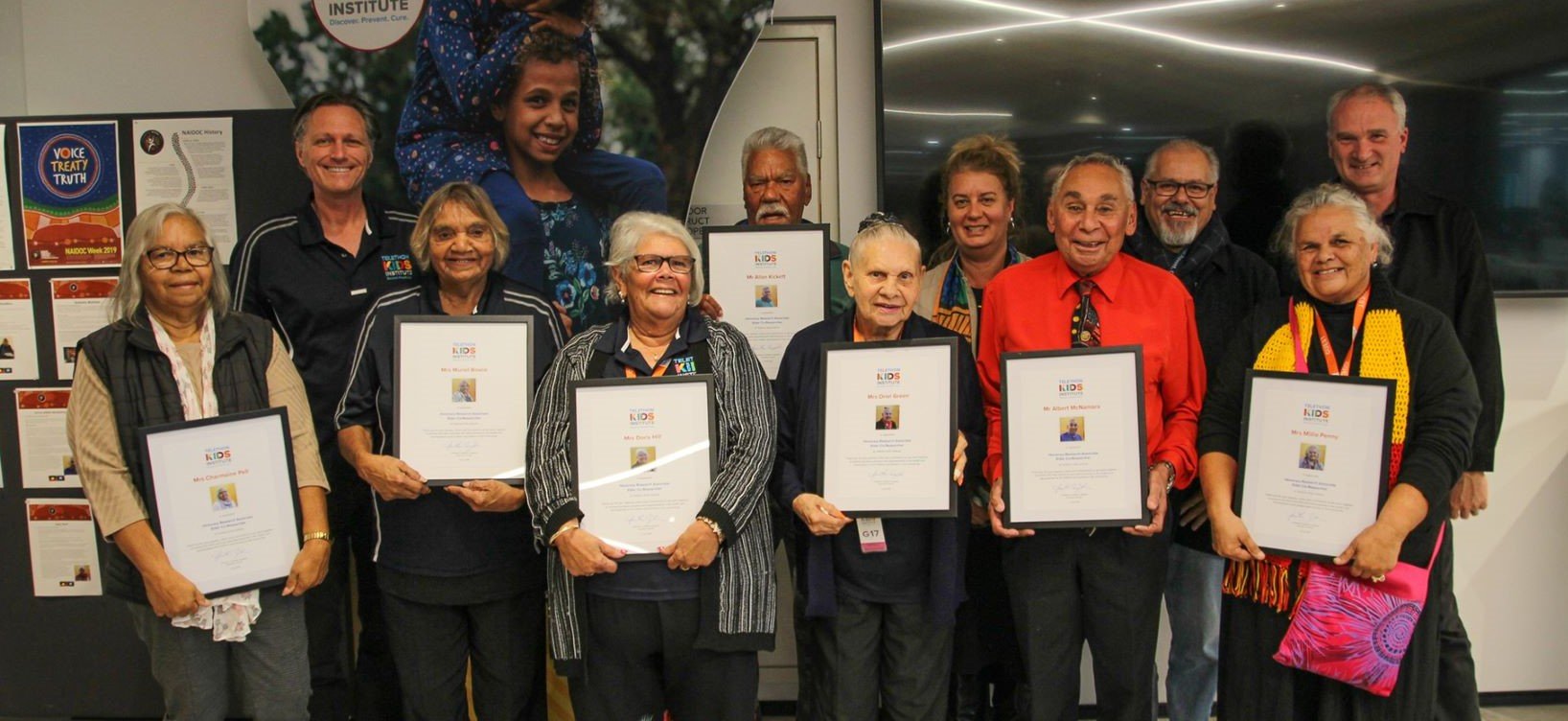
The Ngulluk Koolunga Ngulluk Koort (Our Children, Our Heart) Project grew out of a bold vision to harness the wisdom of Aboriginal Elders to improve outcomes for Aboriginal children, producing a suite of Elder-led, culturally appropriate and empowering initiatives that are making a difference.