
and funders, who share our vision to improve the health and wellbeing of children and their families, through
This research project is a collaboration between The Kids Research Institute Australia, Muscular Dystrophy Western Australia, Perth Children’s Hospit…

Masters project blossom into a five-year, National Health and Medical Research Council-backed program ... dioxide in the blood – can eventually lead…
driving a new research agenda for childhood lung health. Bringing together clinicians, scientists and
World Health Organization
Electronic cigarettes (ECs) have been rapidly gaining ground on conventional cigarettes due to their efficiency in ceasing or reducing tobacco consum…
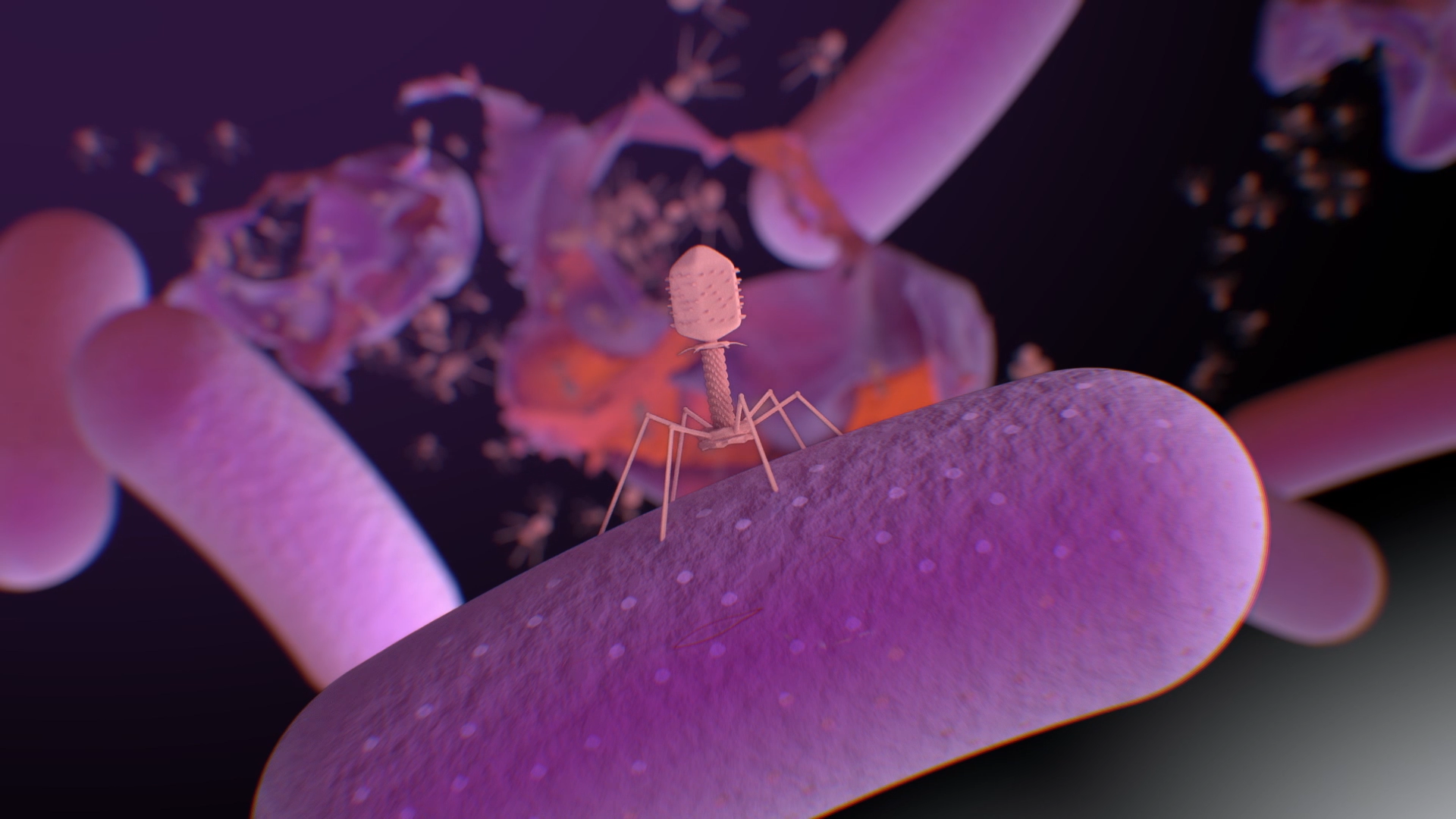
The World Health Organisation (WHO) has named AMR as one of their top global health priorities, which ... resistant lung infections. However, we woul…

driving a new research agenda for childhood lung health. Bringing together clinicians, scientists and

Page block: Rallying together for child health ... Page block: Working together for kids' health
and funders, who share our vision to improve the health and wellbeing of children and their families, through