
Search
Showing results for "mental health aboriginal"
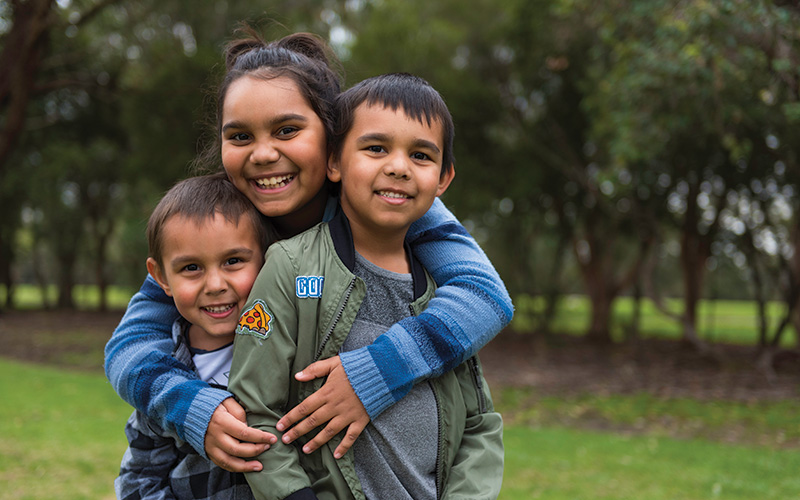
The Institute's Standards for the Conduct of Aboriginal Health Research outline our ways of working with Aboriginal communities and peoples.
We review findings from our previous studies which show the application of a person-based resilience framework of analysis in the context of WA aboriginal youth
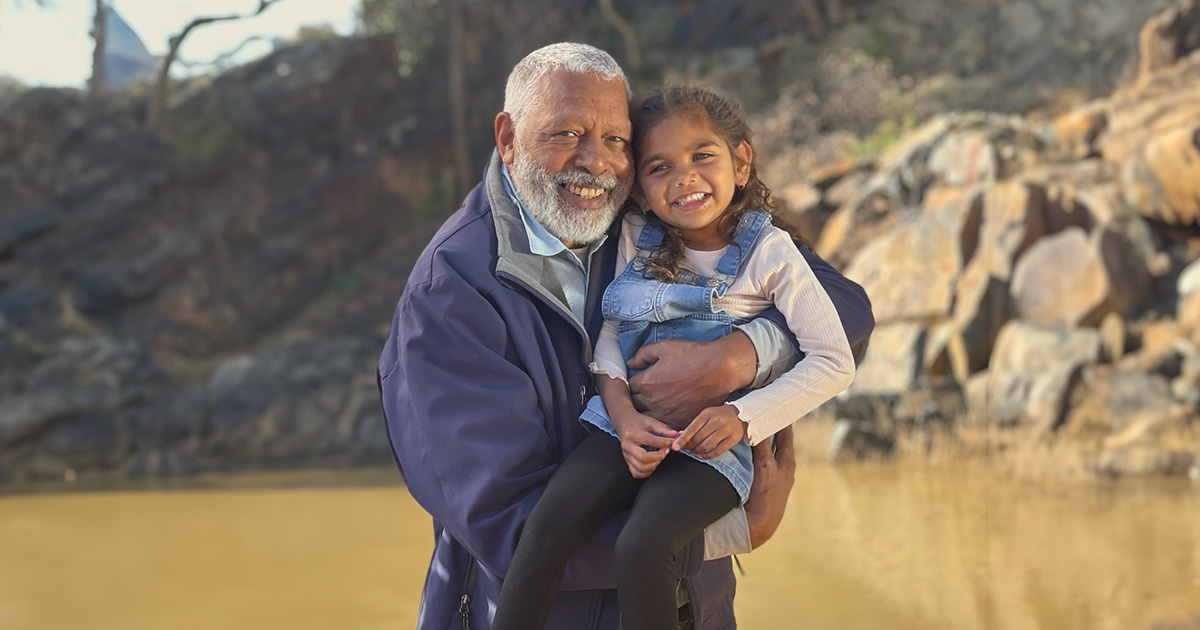
A public health campaign to raise awareness about the dangers of chronic wet cough in Aboriginal children is helping to improve detection, diagnosis and management of the condition.
There remains a glaring disparity between the health of an Australian Aboriginal child when compared with that of a non-Aboriginal Australian child. In recent years, studies have advocated for the adoption of culturally sensitive health care provision if significant improvements are to be made in the health of Australian Aboriginal children.
A new partnership between The Kids Research Institute Australia, Dr George Sim and St John of God Murdoch Hospital will offer essential surgery at no cost for a group of Aboriginal children suffering severe ear infections.
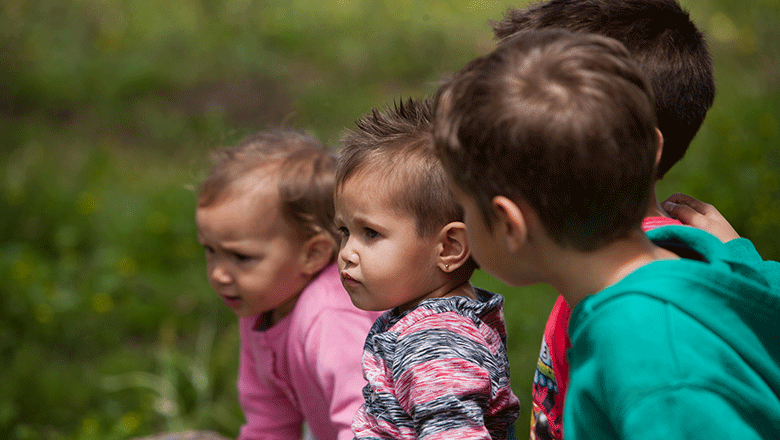
Acknowledging the enormous efforts in ear health programs across WA, we invite stakeholders to assist us in establishing research priorities.
The Opportunity At The Kids Research Institute Australia, we are bringing together community, researchers, practitioners, policy makers and funders,
This study aimed to explore the role of schools and classroom teachers in supporting the mental health and well-being of deaf and hard of hearing children
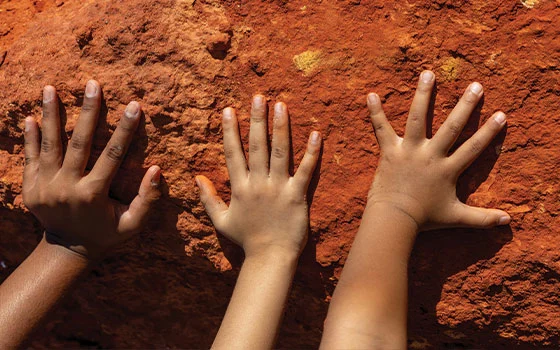
Facilitate research interest & opportunities that involve Aboriginal families & communities and build the capacity and development of Institute researchers.
Incarceration represents a source of ongoing socioeconomic and health inequity between Aboriginal and non-Aboriginal populations, limiting life changes and opportunities.