
Search
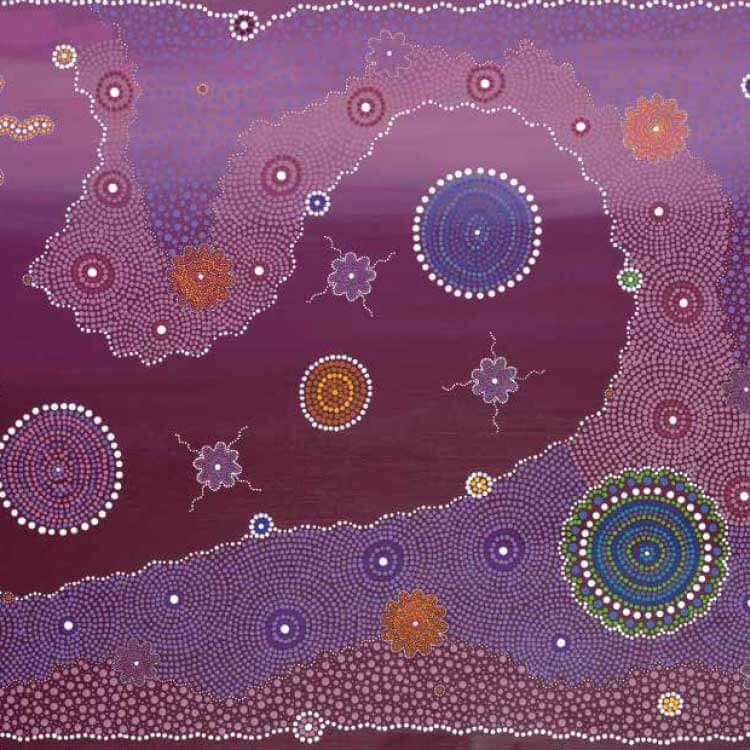
This 2nd edition is intended for staff and students and all health practitioners working in areas that support Indigenous mental health and wellbeing.
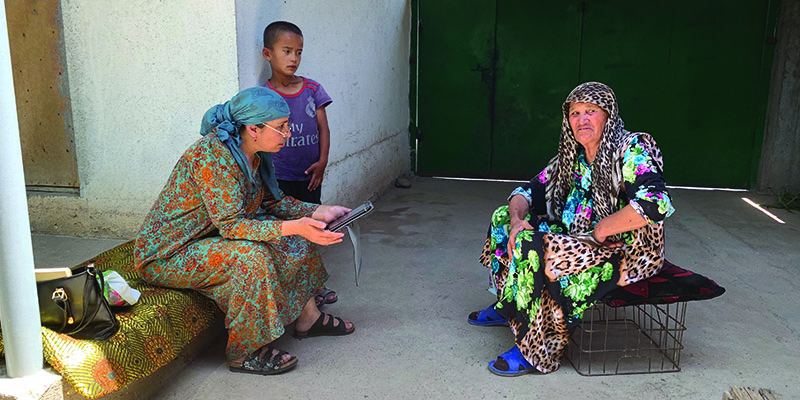
Fieldworkers learning how to collect eHCI data A fieldworker collects data for the eHCI in Tajikistan The rugged, landlocked Central Asian country of
In 2006, when a Japanese scientist building on the earlier work of a British biologist discovered a way to reprogram adult cells into other cell types – making them ‘pluripotent’ – the scientific world was entranced.
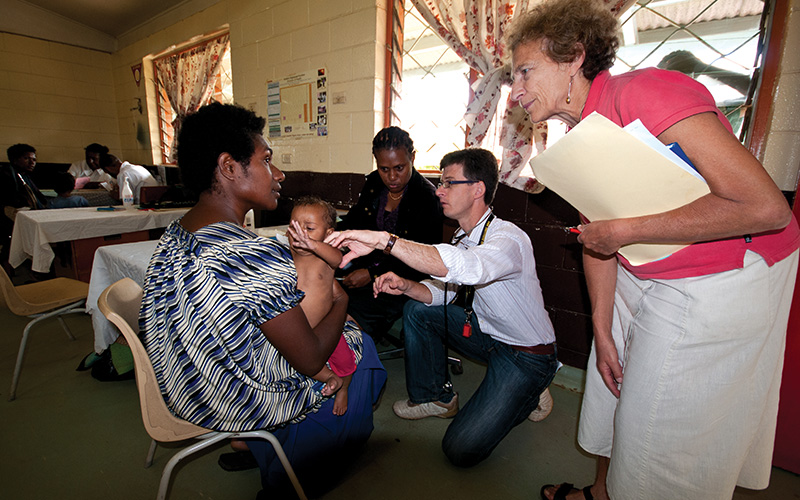
New research has revealed the extraordinary impact of a collaborative project between The Kids Research Institute Australia and the Papua New Guinea Institute of Medical Research, with rates of hospitalisation for pneumonia dropping by nearly 60 per cent thanks to the introduction of the pneumococcal vaccine
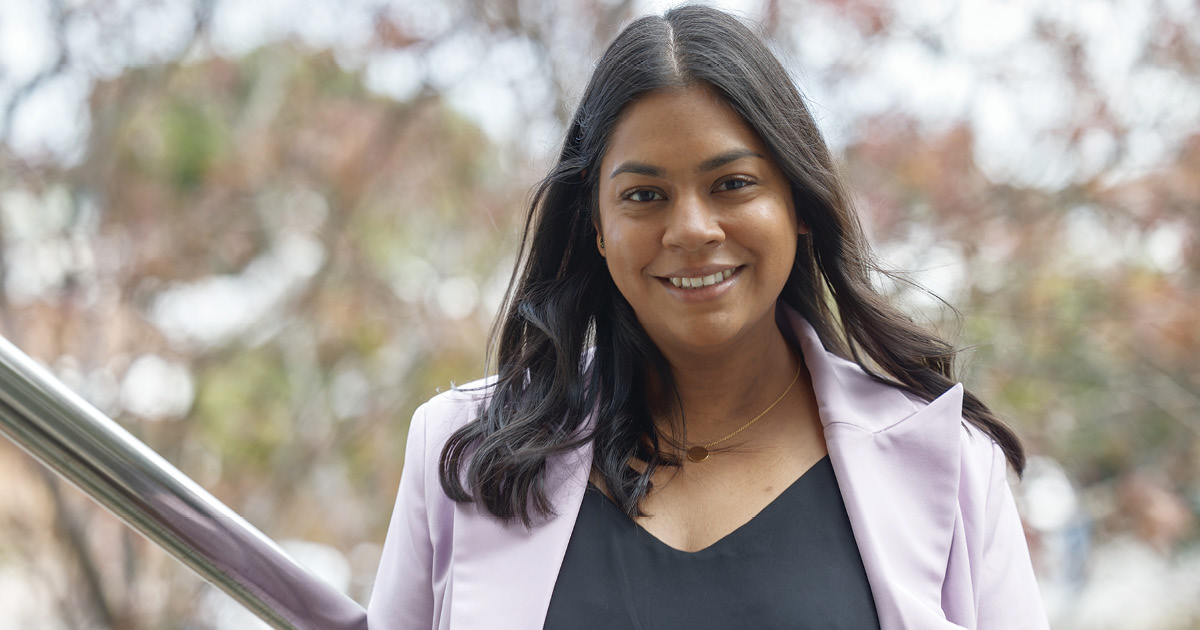
A small group program to help parents tackle anxiety in young children diagnosed with autism has found significant improvements in both children’s anxiety and parental mental health and wellbeing.
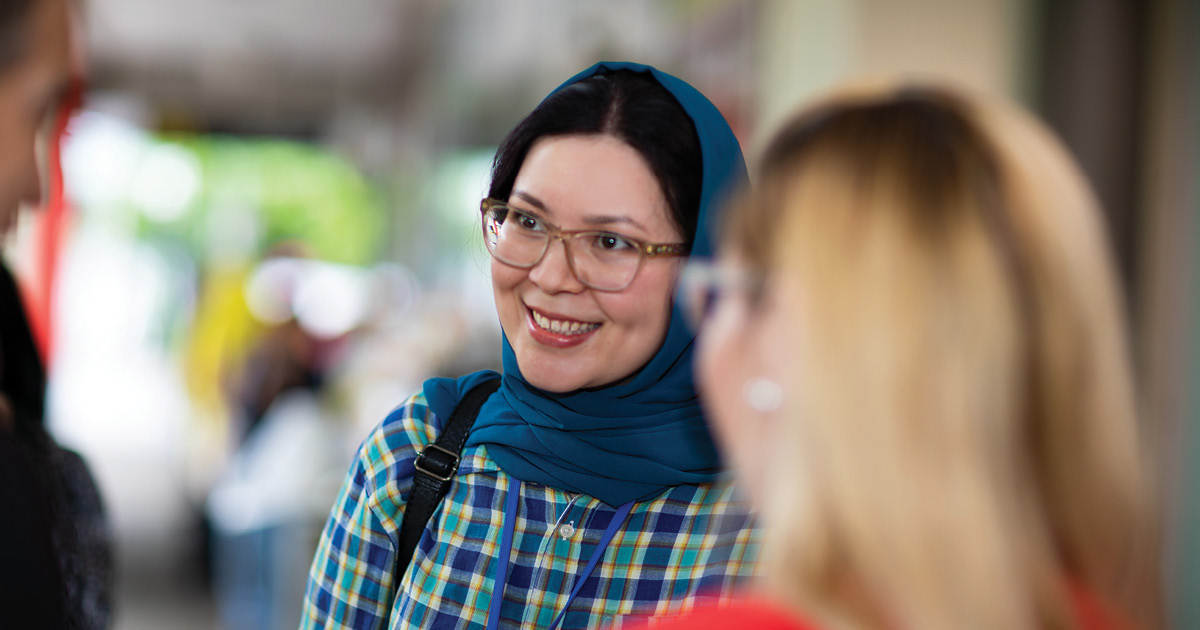
It’s a brave move to upend your entire family to seek a fresh start – or safety – in a new country: even braver when the country you’re moving to has a completely different language, structure and cultural outlook.
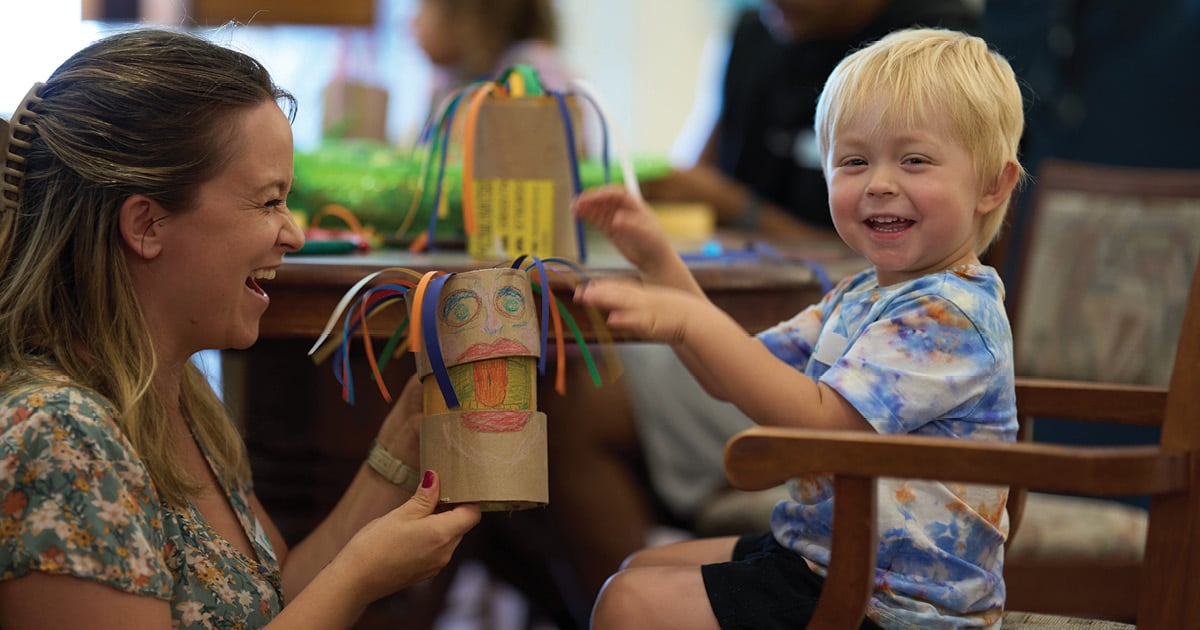
When author Maurice Sendak first sketched out the story of a rambunctious little boy sent to his room without supper, there’s no way he could have known his rollercoaster tale of childhood imagination would still be speaking to the hearts of wild young things more than six decades on.
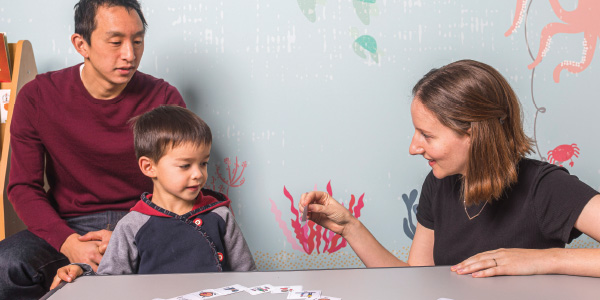
A long-held belief linking gut bacteria to autism has been debunked by an Australian research team that included researchers from CliniKids at The Kids Research Institute Australia.
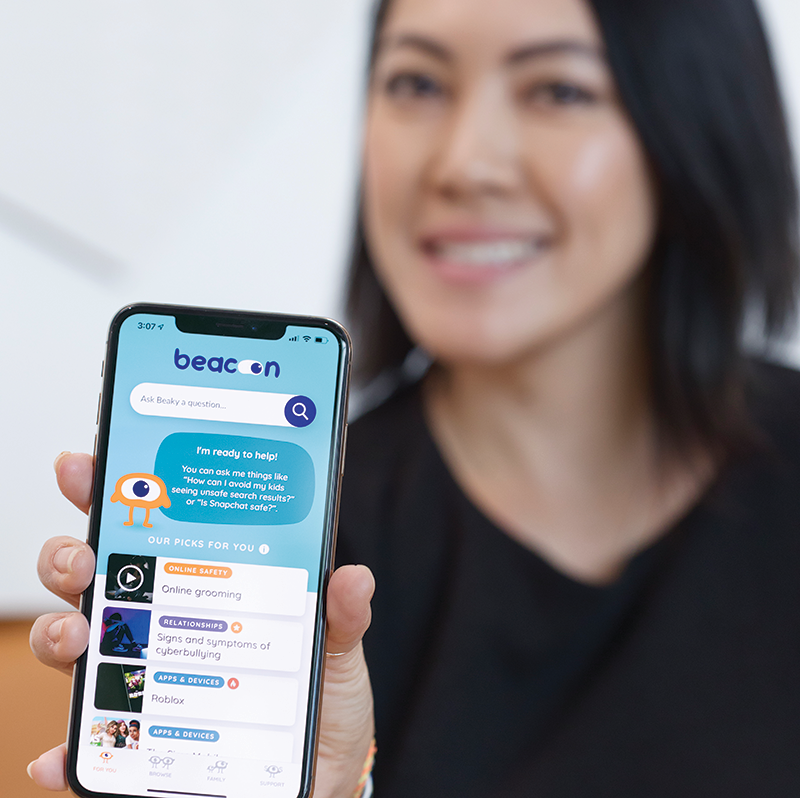
Parents, carers and educators have embraced an innovative tool in the battle to keep kids safe online - Beacon, an Australia-first, evidence-based cyber safety app.
The following maps highlight the Indigenous suicide rate trends over time (from 2001 to 2012) in different regions of Australia.