
Does eating cashew nut spreads in the first year of life reduce the chances a baby will develop a cashew nut food allergy?
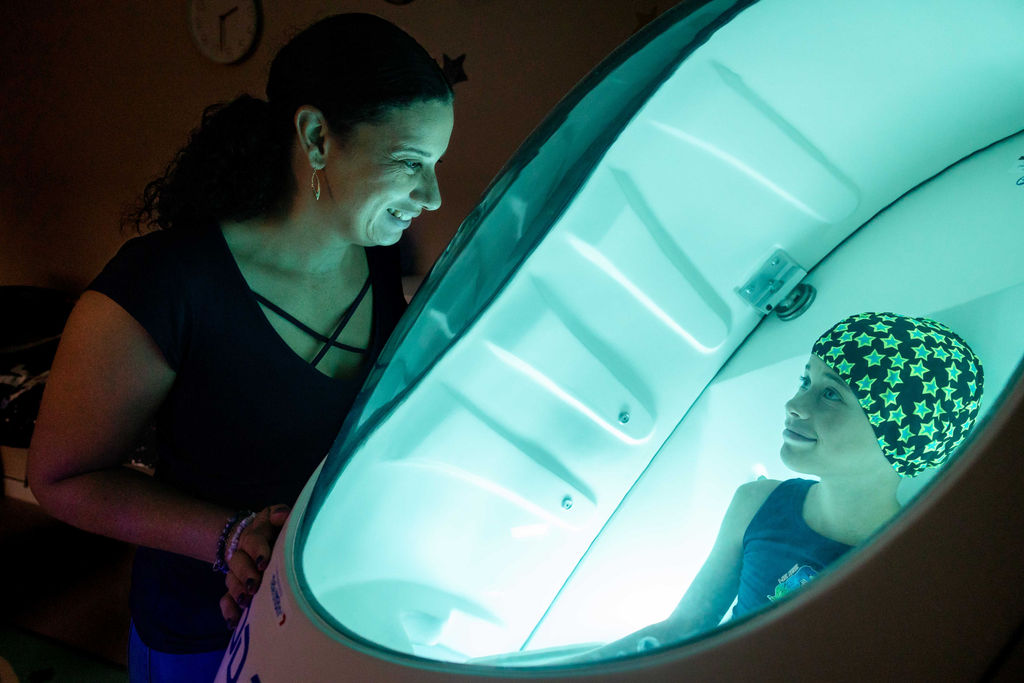
As well as ORIGINS long-term core research, there are a number of clinical trials, early interventions and shorter-term research studies that sit wit…
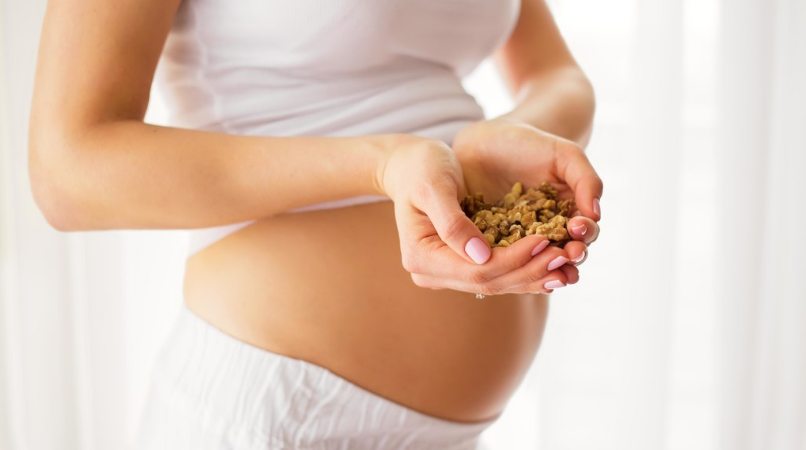
One in every four children will suffer from eczema and asthma, and one in every 10 will have at least one food allergy.
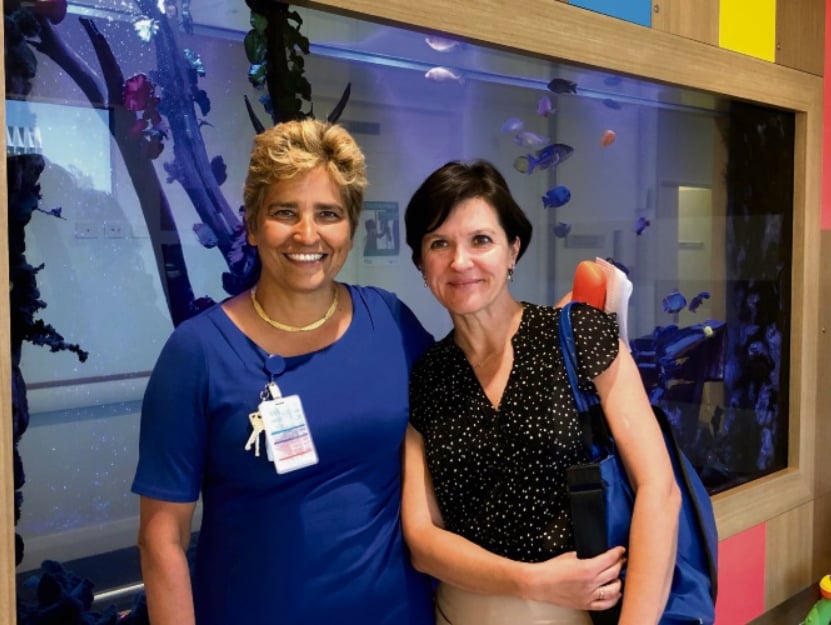
Joondalup Health Campus welcomed international researcher Dr Tanja Sobko to share her research on the link between mental health and time spent in na…
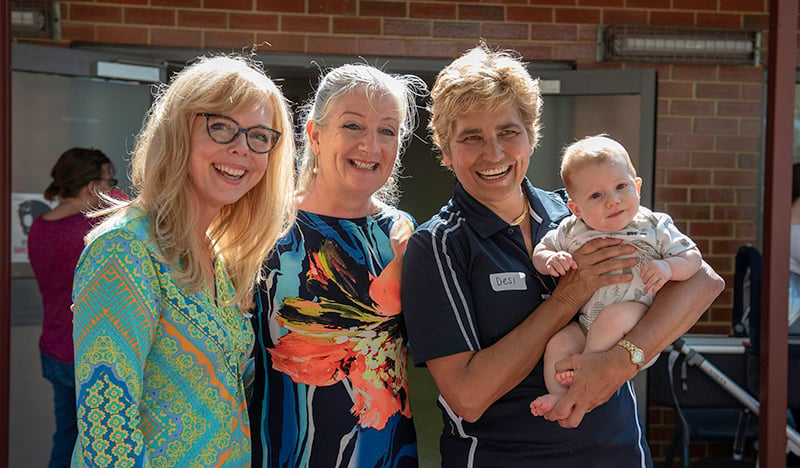
Thank you to everyone who attended our annual Family Day
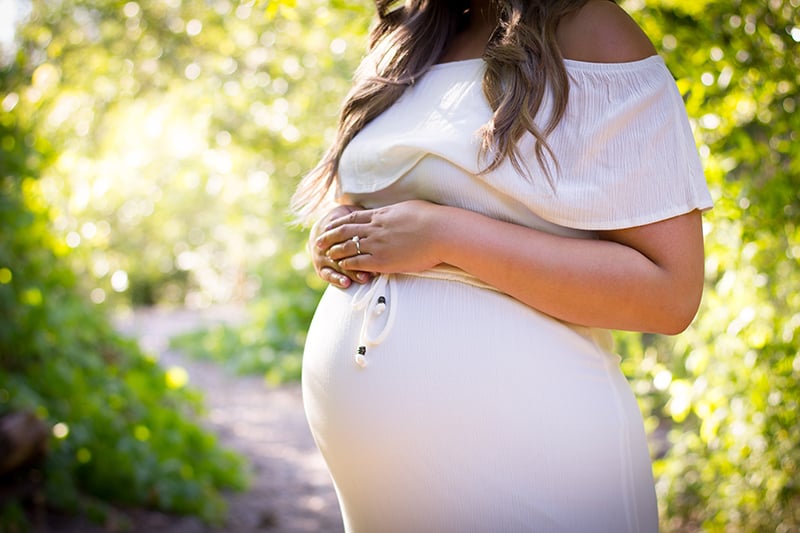
ORIGINS dietitian Sarah Whalan discusses what to eat and drink when pregnant in The Joondalup Times.
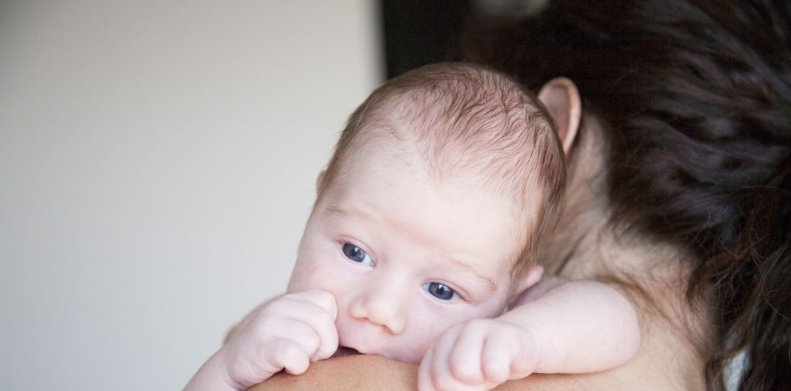
One of the more common food allergies ORIGINS is seeing in babies is cow’s milk protein allergy (CMPA).
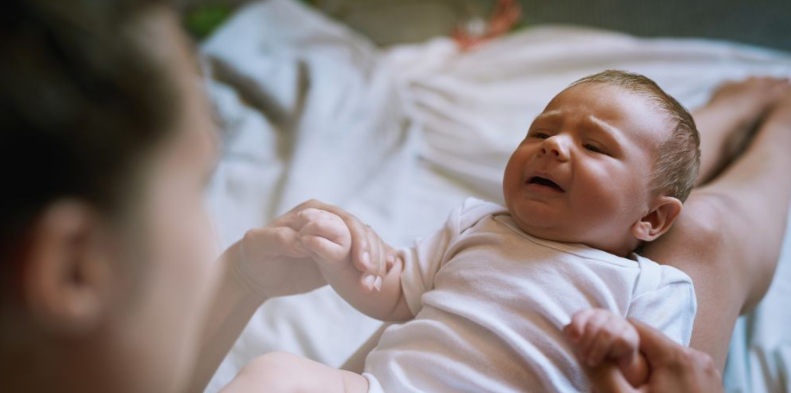
Excessive crying – for more than three hours in a day, more than three days a week – is often referred to as infantile colic.

ORIGINS BENEFIT study is looking at whether mums eating more allergenic foods during pregnancy and early breastfeeding would make a difference to the…
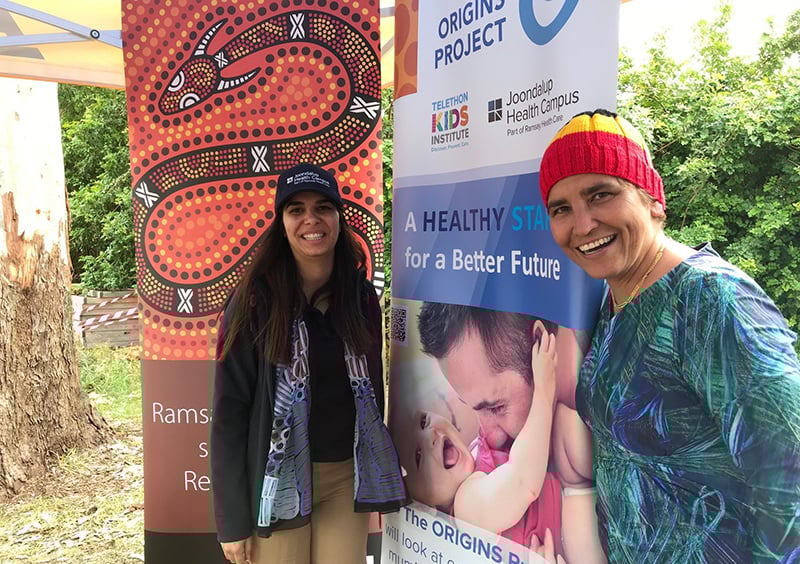
ORIGINS participated in the inaugural Wadjak Northside Social Emotional Wellbeing Expo on 24 October at the Wadjak Northside Aboriginal Community Cen…