Skip to content

Search

Showing results for "vitamin d asthma"

Surgery for rheumatic heart disease in the Northern Territory, Australia, 1997-2016: what have we gained?

Between 1964 and 1996, the 10-year survival of patients having valve replacement surgery for rheumatic heart disease (RHD) in the Northern Territory, Australia, was 68%. As medical care has evolved since then, this study aimed to determine whether there has been a corresponding improvement in survival.

Randomized Trial of BCG Vaccine to Protect against Covid-19 in Health Care Workers

The bacille Calmette-Guérin (BCG) vaccine has immunomodulatory "off-target" effects that have been hypothesized to protect against coronavirus disease 2019. 

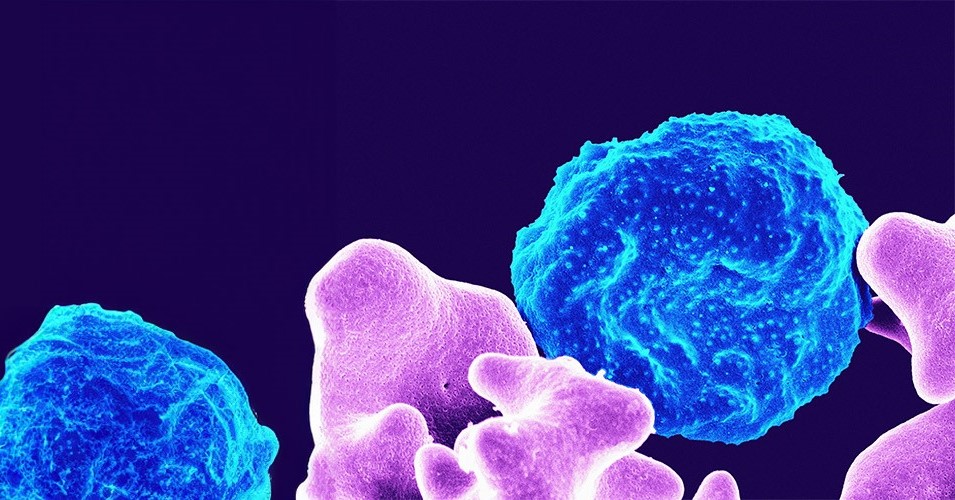
BCG-Induced Immune Training: Interplay between Trained Immunity and Emergency Granulopoiesis

Bacille Calmette-Guérin (BCG) is the most commonly administered vaccine in human history. The medical application of BCG extends far beyond the fight against tuberculosis. Despite its stellar medical record over 100 years, insight into how BCG provides this vast range of benefits is largely limited, both for its pathogen-specific (tuberculosis) as well as pathogen-agnostic (other infections, autoimmunity, allergies, and cancer) effects.

Tertiary prevention and treatment of rheumatic heart disease: a National Heart, Lung, and Blood Institute working group summary

Although entirely preventable, rheumatic heart disease, a disease of poverty and social disadvantage resulting in high morbidity and mortality, remains an ever-present burden in low-income and middle-income countries and rural, remote, marginalised and disenfranchised populations within high-income countries.

Towards responsive policy and actions to address non-communicable disease risks amongst adolescents in Indonesia: insights from key stakeholders

Non-communicable diseases (NCDs) such as cancer, diabetes, heart disease, mental disorder and chronic lung conditions are the leading cause of death and disability in Indonesia. Adolescence is when risks for NCDs emerge and it is also an important life stage for intervention, yet young people are often at the margins of NCD policy and actions.

Remote after-care using smartphones: A feasibility study of monitoring children's pain with automated SMS messaging

Monitoring children's recovery postoperatively is important for routine care, research, and quality improvement. Although telephone follow-up is common, it is also time-consuming and intrusive for families. Using SMS messaging to communicate with families regarding their child's recovery has the potential to address these concerns. While a previous survey at our institution indicated that parents were willing to communicate with the hospital by SMS, data on response rates for SMS-based postoperative data collection is limited, particularly in pediatric populations.

Friendly schools’ bullying prevention research: Implications for school counsellors

Bullying varies in frequency, intensity, duration and hence severity, and contributes uniquely and directly to mental health problems, with severe and long-lasting consequences. Almost a half of school-age students report being bullied in the past year.

Global, regional, and national mortality among young people aged 10–24 years, 1950–2019: a systematic analysis for the Global Burden of Disease Study 2019

Documentation of patterns and long-term trends in mortality in young people, which reflect huge changes in demographic and social determinants of adolescent health, enables identification of global investment priorities for this age group. We aimed to analyse data on the number of deaths, years of life lost, and mortality rates by sex and age group in people aged 10-24 years in 204 countries and territories from 1950 to 2019 by use of estimates from the Global Burden of Diseases, Injuries, and Risk Factors Study (GBD) 2019.

School Readiness of Children Exposed to Family and Domestic Violence

Children have a universal right to live free from exposure to family and domestic violence (FDV). Children exposed to FDV can experience long-term effects on their physical and psychological health and their social competencies including social, emotional, and cognitive skills and behaviours that underpin successful social adaptation and academic achievement. The aim of this study was to investigate if children exposed to FDV were more likely to be vulnerable on school readiness measures compared to those children who were not exposed.

Global, regional, and national progress towards Sustainable Development Goal 3.2 for neonatal and child health: all-cause and cause-specific mortality findings from the Global Burden of Disease Study 2019

Sustainable Development Goal 3.2 has targeted elimination of preventable child mortality, reduction of neonatal death to less than 12 per 1000 livebirths, and reduction of death of children younger than 5 years to less than 25 per 1000 livebirths, for each country by 2030.