
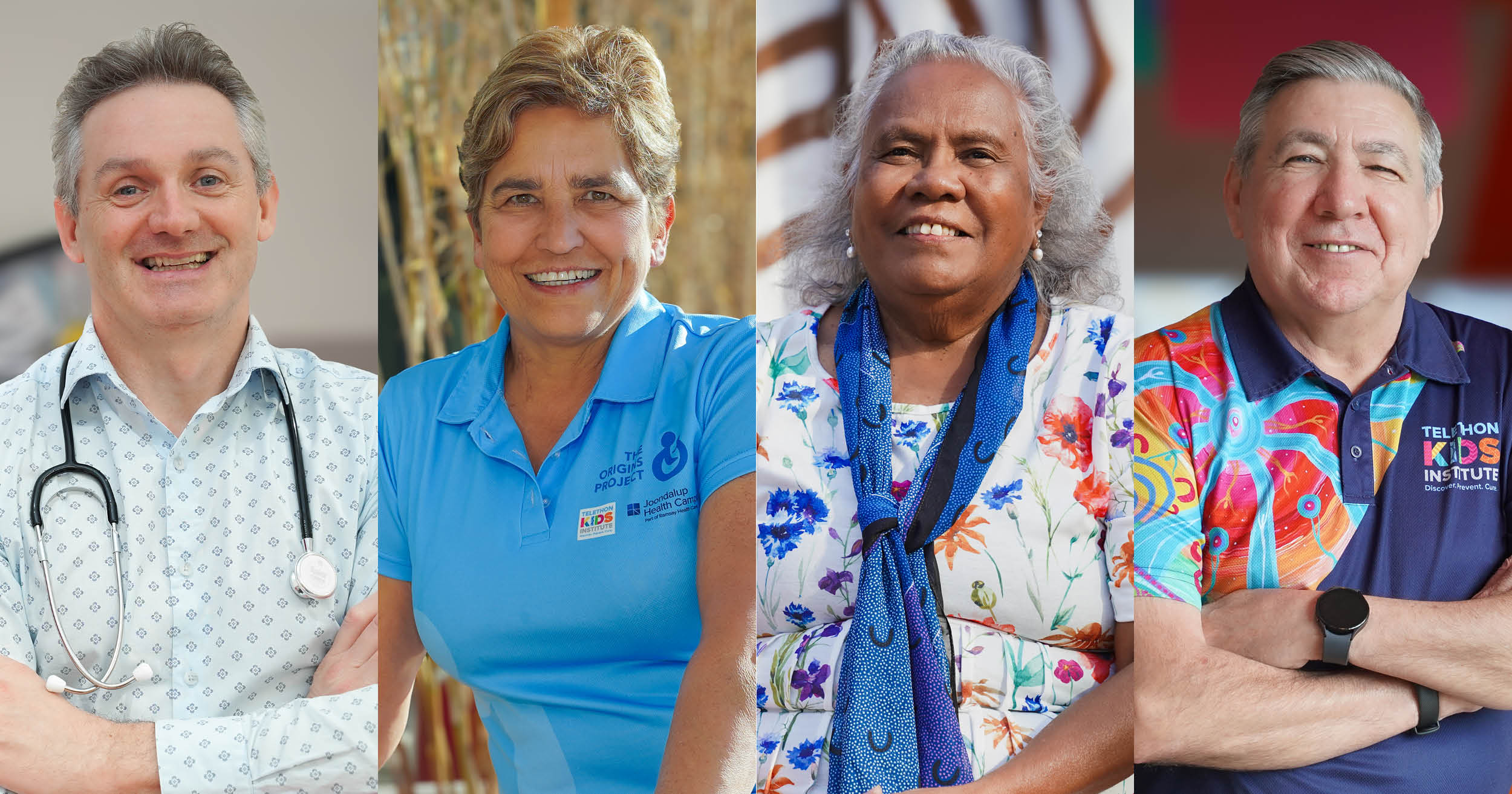
Four outstanding members of The Kids Research Institute Australia family have been named as finalists in the 2024 Western Australian of the Year Awar…
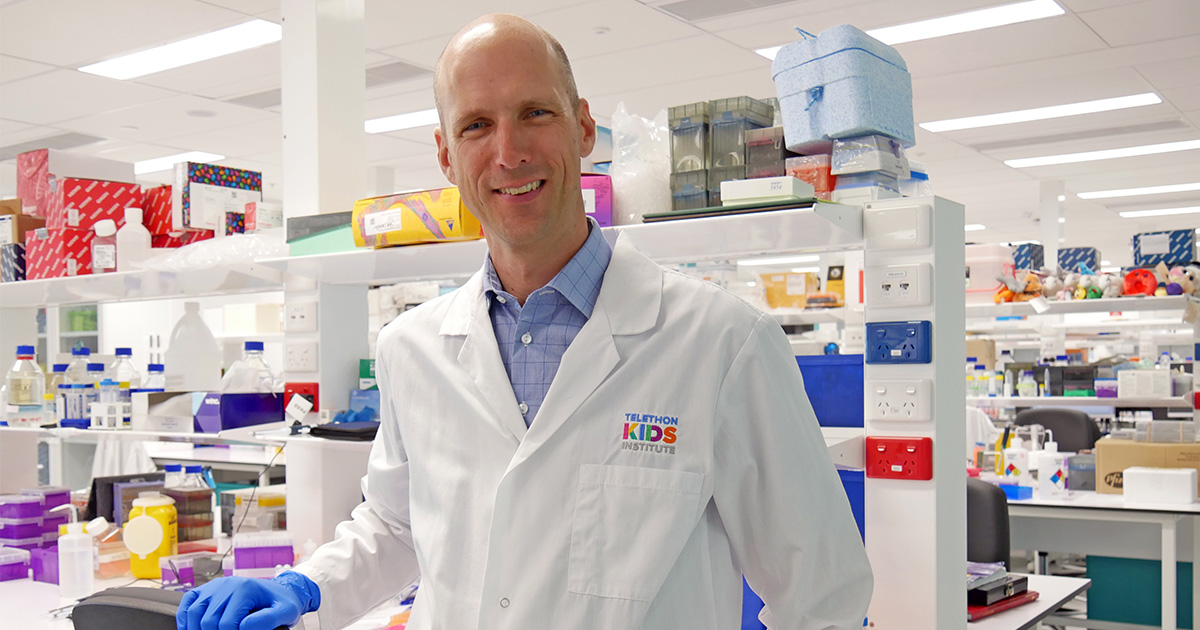
Researchers dedicated to developing the first cancer immunotherapy tablet have been boosted by a $374,000 CUREator top-up funding grant.
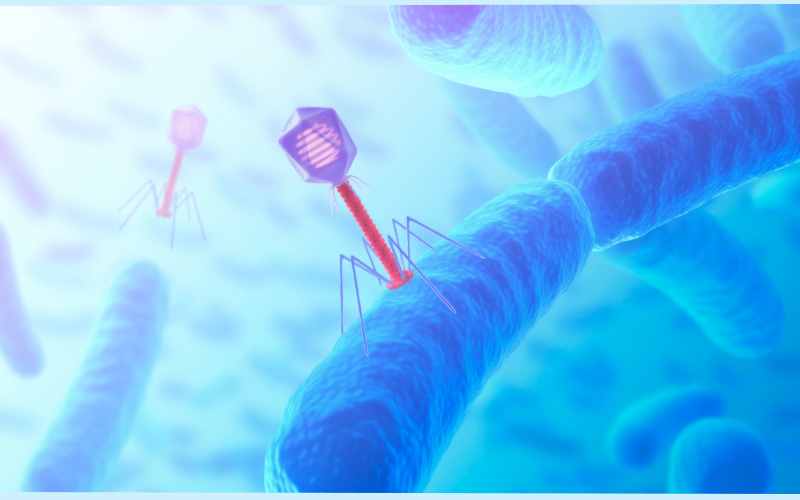
The Wal-yan Respiratory Research Centre is seeking expressions of interest from Western Australians to join an Antimicrobial Resistance (AMR) Communi…
Streptococcus dysgalactiae subspecies equisimilis and Streptococcus pyogenes share skin and throat niches with extensive genomic homology and horizon…
Early life is a key period that determines long-term health. Lung development in childhood predicts lung function attained in adulthood and morbidity…
With cochlear implantation becoming increasingly performed worldwide, an understanding of the risk factors, preventive measures, and management of co…
Immune checkpoint therapy (ICT) causes durable tumour responses in a subgroup of patients, but it is not well known how T cell receptor beta (TCRβ) r…
Young people who are lesbian, gay, bisexual, trans, queer or questioning, asexual and other diverse genders and sexualities (LGBTQA+) are at greater…
Obesity is a contributing factor to asthma severity; while it has long been understood that obesity is related to greater asthma burden, the mechanis…
Patient-derived orthotopic xenograft (PDOX) mouse models are considered the gold standard for evidence-based preclinical research in pediatric neuro-…