
Search
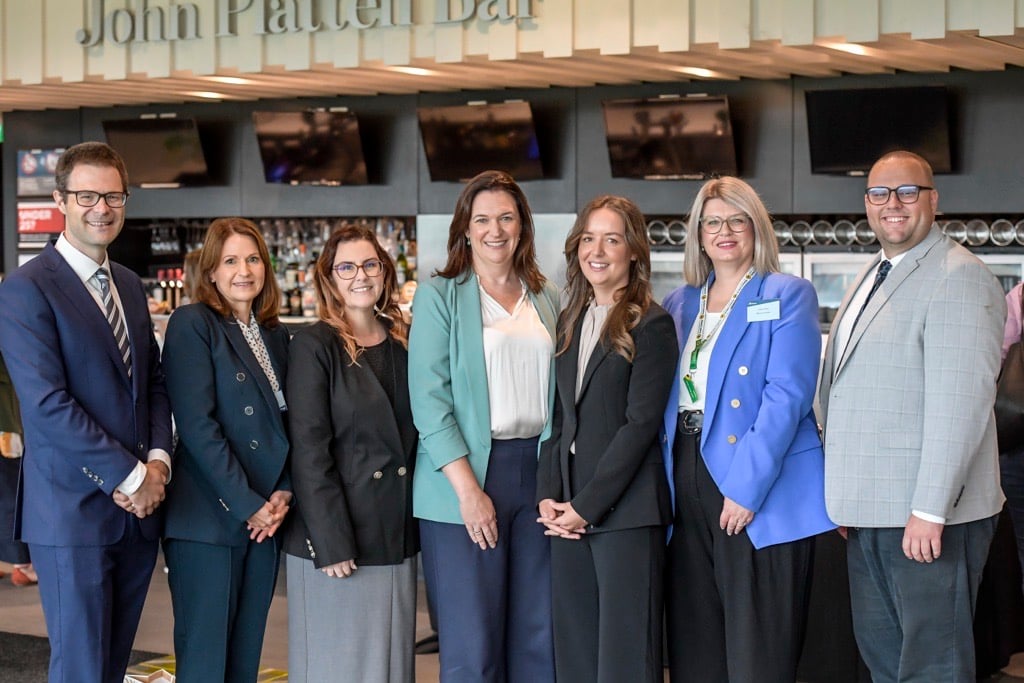
South Australian families with babies showing early social and communication differences will be among the first to benefit from a nation-leading early support program, as The Kids Research Institute Australia’s Inklings Program officially launches in South Australia.
A comparison of parents’ experiences of getting a diagnosis for their child with autism, attention deficit hyperactivity disorder (ADHD) and both diagnoses can inform our understanding of common and unique themes across these neurodevelopmental conditions.
A comprehensive understanding of specific factors contributing to variability in responsiveness of children with autism to interventions is paramount for making evidence-based clinical and policy decisions. This meta-analysis examined child and family characteristics, as well as intervention design factors, associated with outcomes of behavioral interventions for children with autism.
Andrew Videos Whitehouse Watch and listen to Andrew PhD Deputy Director (Research); Angela Wright Bennett Professor of Autism Research at The Kids
Gail Andrew Videos Alvares Whitehouse Watch and listen to Andrew PhD PhD Principal Research Fellow Deputy Director (Research); Angela Wright Bennett
Andrew Videos Whitehouse Watch and listen to Andrew PhD Deputy Director (Research); Angela Wright Bennett Professor of Autism Research at The Kids
Amy Andrew Carol Deborah Gail Helen Jenny Kandice Martyn Videos Finlay-Jones Whitehouse Watch and listen to Andrew Bower Strickland Alvares Leonard
Chris Andrew Monique Videos Brennan-Jones Whitehouse Watch and listen to Andrew Robinson PhD PhD PhD MPsych (Clin) MAPS Head, Ear and Hearing Health
Gram-negative bloodstream infections (GNBSIs) more commonly occur in children with comorbidities and are increasingly associated with antimicrobial resistance. There are few large studies of GNBSIs in children that relate the clinical presentation, pathogen characteristics, and outcomes.
The Australian and New Zealand Paediatric Infectious Diseases (ANZPID) Group of the Australasian Society for Infectious Diseases (ASID) calls for urgent consideration of the needs and voices of children in response to the COVID-19 pandemic, and in planning for future pandemics.