Skip to content

Search

Outcomes following a behaviour change intervention within hospitals to improve birth registrations and hospital utilisation for Aboriginal and/or Torres Strait Islander infants

The primary objective was to determine whether a behaviour change intervention delivered to hospital staff would (1) improve the proportion of Aboriginal and/or Torres Strait Islander (Aboriginal) babies being registered and (2) reduce hospital admissions and emergency presentations for babies <6 months old. The secondary objective was an observational analysis to determine factors that might influence the proportion of registered Aboriginal births in Western Australia. 

Medication Use in Type 1 Diabetes and the Association with Socioeconomic Disadvantage: Analysis of a National Linked Dataset

To explore trends in the receipt of commonly prescribed medications (beyond insulin) in people with type 1 diabetes in Australia, including polypharmacy, and to investigate socioeconomic disparities across these trends.

Empowering Social Competence: A Scoping Review of Digital Social Skills Training Interventions

Effective social skills are essential for functional social support, help-seeking, and resource access. Digital social skills training plays a key role in empowering individuals to develop social competence, improve access to various support and resources, and enhance locus of control through dynamic media. 

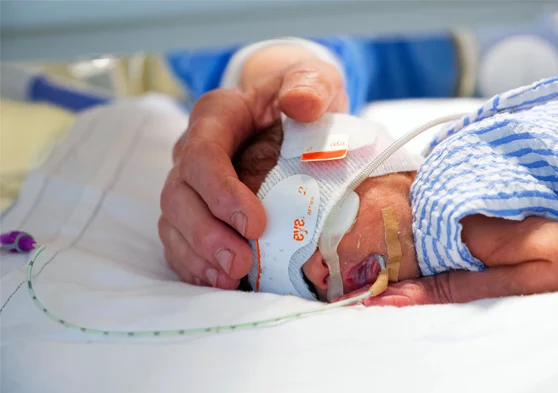
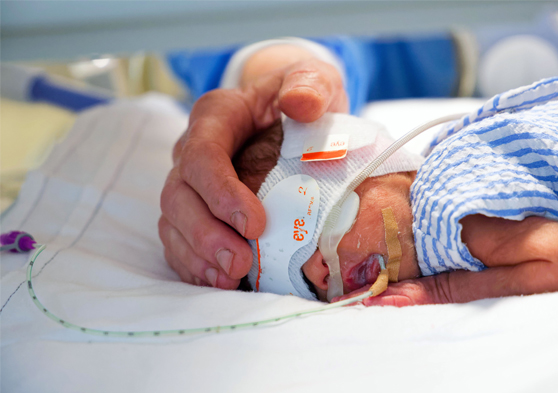
Neonatal skin: barrier, immunity and infection prevention in the NICU

The neonatal skin is central to early survival and immune development. Far from being a passive mechanical barrier, it integrates physical, chemical, and microbial defences that together protect the infant in the immediate postnatal period. In preterm infants, structural immaturity, reduced antimicrobial capacity, and altered microbial colonisation confer heightened vulnerability to infection and inflammation.

Prevention of rheumatic heart disease in New Zealand: High-dose subcutaneous benzathine penicillin is cost-saving compared with traditional intramuscular injections

Acute rheumatic fever is a preventable condition that can lead to chronic illness and early death. Standard prevention with 4-weekly intramuscular (IM) benzathine penicillin G (BPG) injections for ≥10 years may be associated with poor adherence. High-dose 10-weekly subcutaneous penicillin injections (SCIP) may improve adherence by reducing injection frequency.

A Scoping Review of Methodologies Exploring Diet and Health Outcomes in Lactating Women: What Has Been Done and Where to Next?

Developing dietary guidelines for lactating women presents significant challenges, due to limited evidence being available on their specific nutrient needs and the biological impacts of various dietary dimensions. Current dietary recommendations often rely on data from nonlactating women, leading to potential inaccuracies.

Bridging the gap: unveiling key links between autism and anxiety symptoms in autistic children and youth using a network analysis in pooled data from four countries

Autistic children experience significantly higher rates of anxiety compared to nonautistic children. The precise relations between autism characteristics and anxiety symptoms remain unclear in this population. Previous work has explored associations at the domain level, which involve examining broad categories or clusters of symptoms, rather than the relationships between specific symptoms and/or individual characteristics. We addressed this gap by taking a network approach to understand the shared structure of autism characteristics and anxiety symptoms.

Temporal Eating Patterns and Ultra-Processed Food Consumption Assessed from Mobile Food Records of Australian Adults

Temporal eating patterns and ultra-processed food (UPF) consumption have independently been associated with obesity and non-communicable diseases. Little is known about the temporal patterns of UPF consumption, as data is challenging to collect. Temporal data can be extracted from mobile food records (mFRs). The aim of this study was to identify the temporal eating patterns of those consuming UPFs using an mFR. 

DeepEGFR a graph neural network for bioactivity classification of EGFR inhibitors

Epidermal Growth Factor Receptor (EGFR) plays a critical role in the development of several cancers. Thus, modulation/inhibition of EGFR activity is an appealing target of developing novel cancer therapeutics.