Search
Advanced hybrid closed-loop (AHCL) therapy improves glycemia. However, it is not known if there is an improvement in overall outcomes with AHCL for youth with type 1 diabetes (T1D) at high risk of diabetes-related complications. The study aimed to capture the experiences of youth with suboptimal glycemic control when commencing AHCL therapy in a clinical trial setting.
Humans are commonly exposed to plastic through their dietary intake and food consumption patterns. Plastic-associated chemicals (PAC), such as bisphenols and phthalates, are recognized as endocrine-disrupting and are associated with increased risk of cardiovascular disease and metabolic syndrome. However, accurate methods to assess dietary exposure to plastic products and PAC are inadequate, limiting interrogation of health impacts.
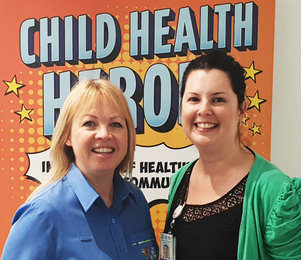
The generous support of Western Australians through Channel 7’s Telethon is helping to fund life-changing child health research, with two The Kids Research Institute Australia researchers awarded significant grants.
To assess the real-world performance of MiniMed™ 780G for Australians with type 1 diabetes (T1D) following advanced hybrid closed loop (AHCL) activation and to evaluate the effect of changing from MiniMed 670/770G to 780G.
Hypertension increases complication risk in type 1 diabetes (T1D). We examined blood pressure (BP) in adolescents and young adults with T1D from the Australasian Diabetes Data Network, a prospective clinical diabetes registry in Australia and New Zealand.
High protein high fat meals are considered “difficult” foods because they can cause prolonged hyperglycemia after ingestion. The potential of hybrid closed loop therapy in managing postprandial glucose excursions with these difficult foods remains unknown. This pilot study aimed to explore the impact of manual mode in standard insulin pump therapy and auto mode with hybrid closed loop pump therapy in managing glucose excursions caused by HPHF foods and to obtain feedback from families about each mode.
To compare HbA1c and clinical outcomes in adolescents and young adults with type 1 diabetes, with or without celiac disease.
Technology use in type 1 diabetes (T1D) is impacted by socioeconomic status (SES). This analysis explored relationships between SES, glycemic outcomes, and technology use.
Continuous glucose monitoring (CGM) devices have demonstrated efficacy in adults and more recently in youths and older adults with type 1 diabetes. In adults with type 1 diabetes, the use of real-time CGM compared with intermittently scanned CGM was associated with improved glycemic control, but there are limited data available for youths.
Many of the Centre's researchers have been responsible for discovering and contributing to real game-changers, making a difference to children with diabetes.