
Search
Showing results for "Childhood interstitial lung disease "
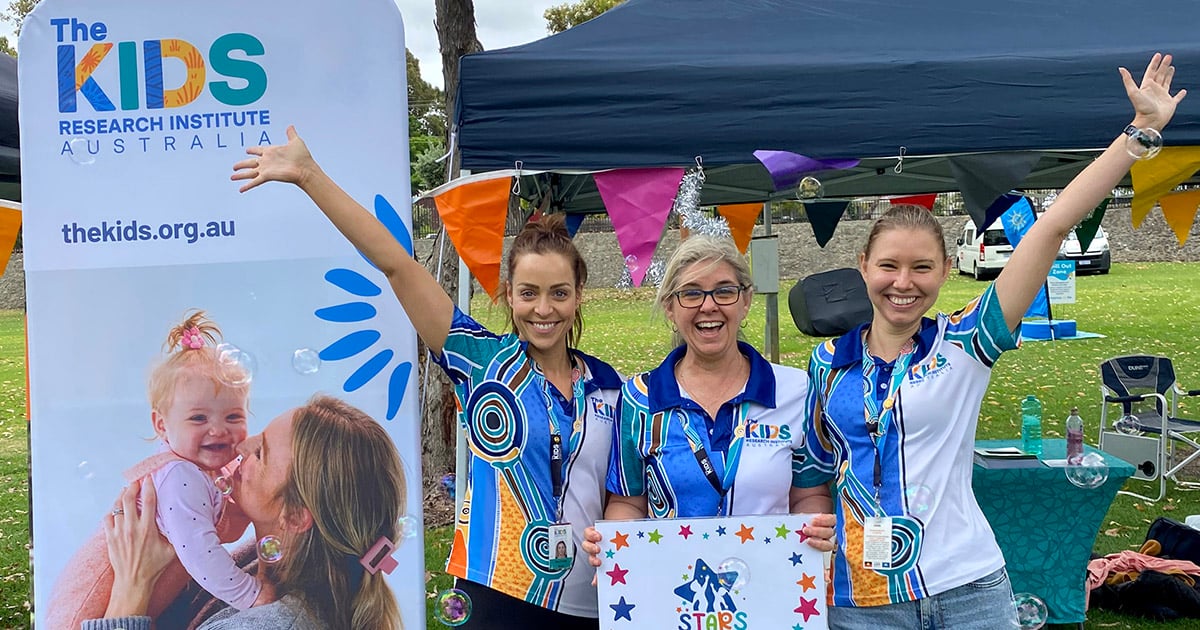
STARS for Kids, a sub-project of ORIGINS, received a three-year grant to advance the development of a scalable, online, tiered model of care to better support disadvantaged communities, where 20-25 per cent of children are entering school developmentally vulnerable.
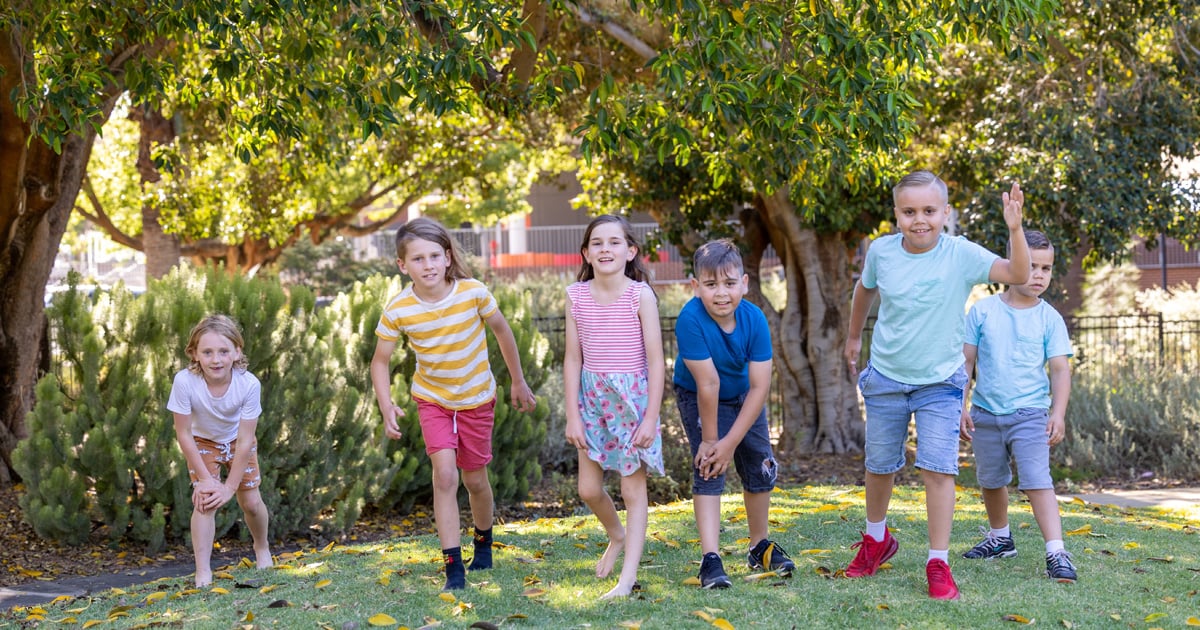
New funding from the Stan Perron Charitable Foundation will support innovative research projects and programs at The Kids Research Institute Australia with the aim of improving the health and wellbeing of WA children and their families.
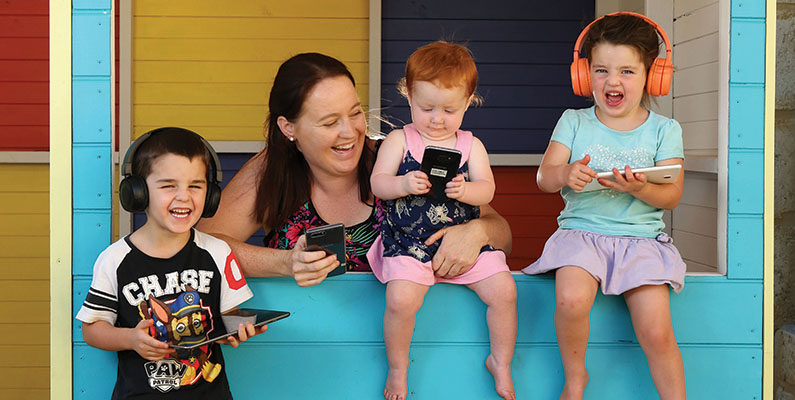
An ORIGINS study aims to find out more about family screen habits to help provide clearer, more realistic advice.
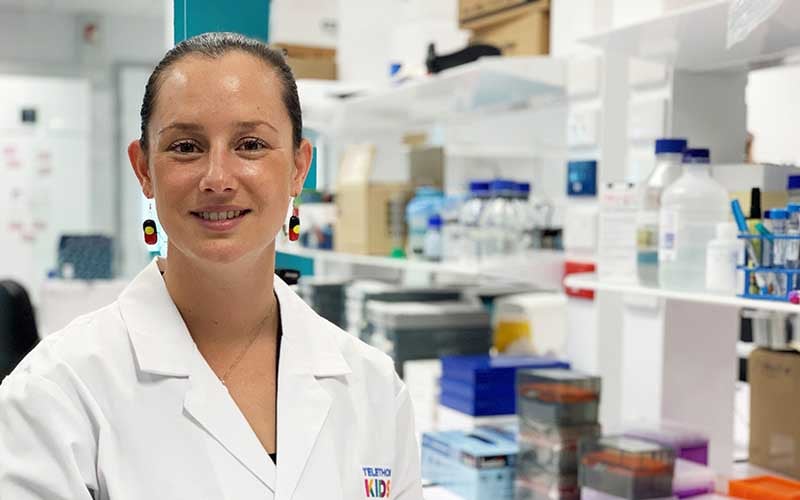
Outstanding Aboriginal researcher Jessica Buck has received a prestigious Forrest Foundation Research Fellowship to investigate innovative new therapies for children with brain cancer.
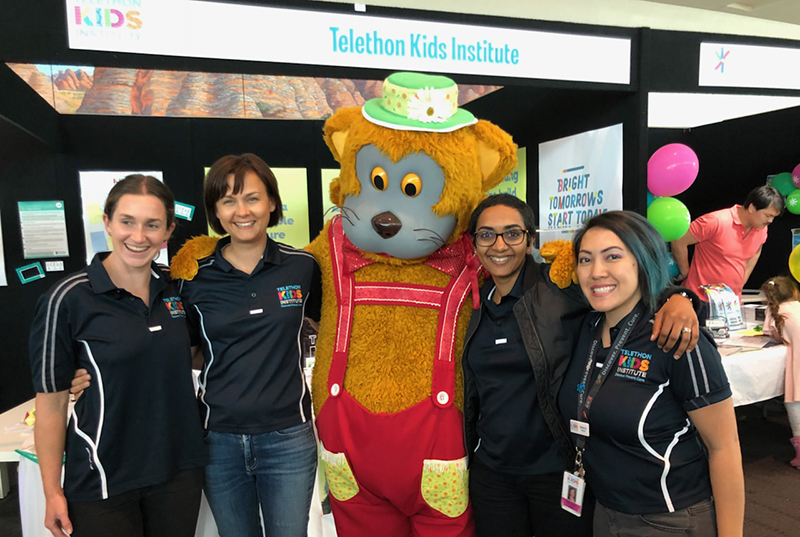
Huge congratulations to Telethon on another record-breaking year, with generous West Australians donating just over $38 million to help sick kids.
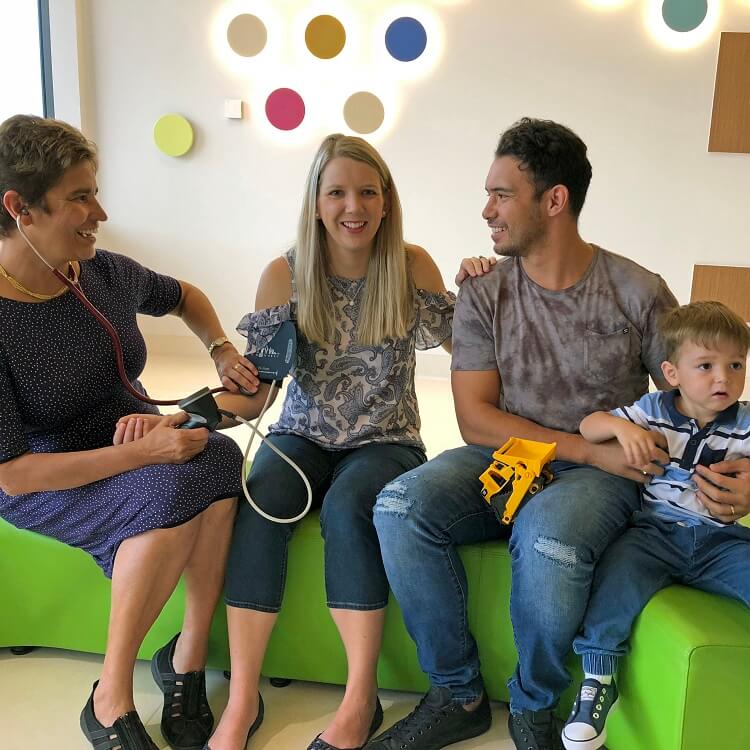
ORIGINS, a collaboration between The Kids and the Joondalup Health Campus, has achieved a major milestone – recruiting its 1000th family.
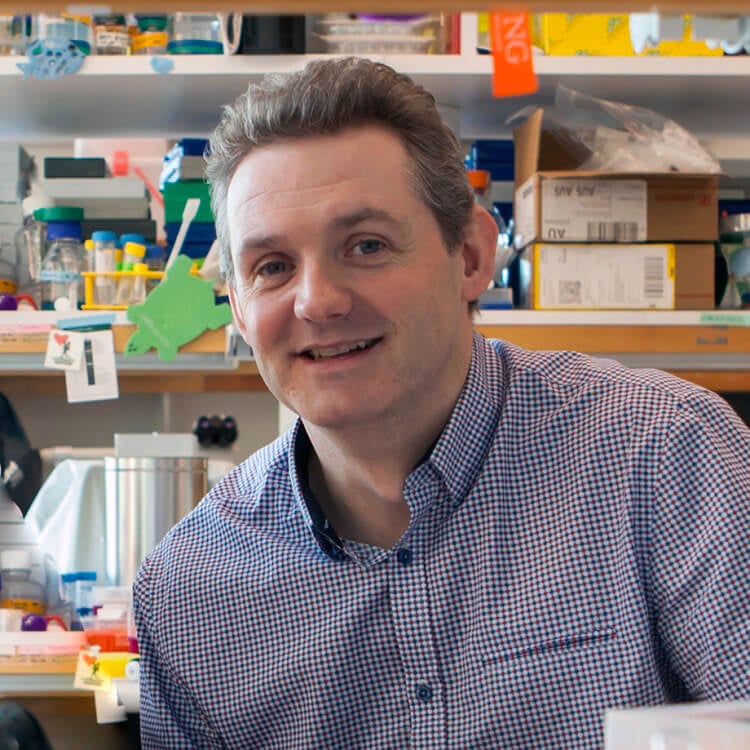
The Kids cancer researcher & clinician Dr Nick Gottardo has been announced as the recipient of an Innovation Grant from the Cure Brain Cancer Foundation.

A new study from Perth's Telethon Institute for Child Health Research has shown that children who are breastfed for longer than six months have a lower risk
The internet is emerging as a valuable tool for scientists to gather data for critical research into rare diseases.
A landmark new report on the social and emotional wellbeing of Aboriginal children