
Search
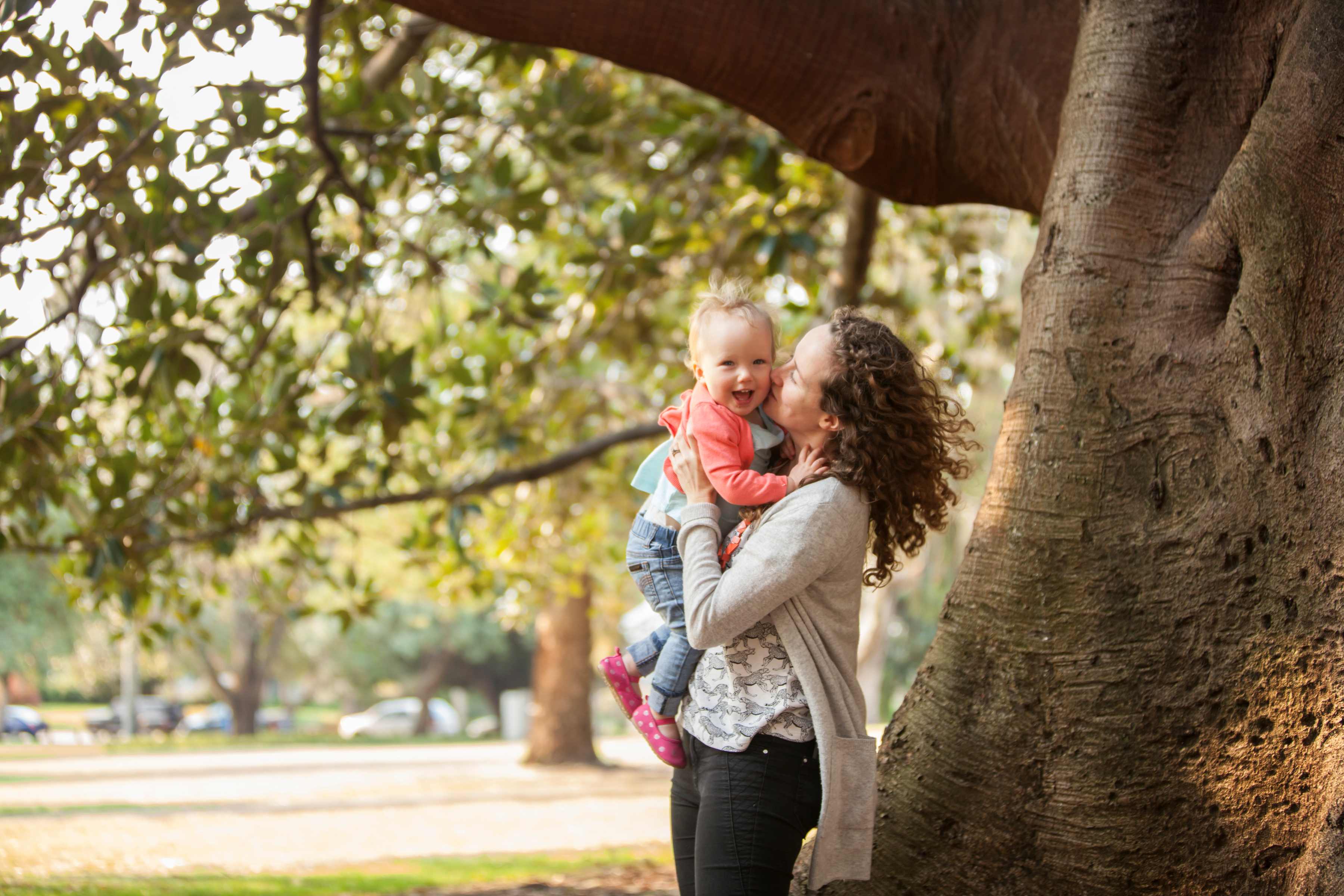
Researchers at The Kids Research Institute Australia are studying a new pneumococcal vaccine designed to provide a broader protection for 21 serotypes of the bacteria S. pneumoniae – 8 more serotypes than the current vaccine given to new babies.

A complex five-year experiment which cracked the code of a genetic mystery has paved the way for faster and more accurate diagnoses of the most rare and unknown diseases affecting children.

Five researchers from The Kids Research Institute Australia will share in almost $3 million in grants to continue groundbreaking research to tackle childhood cancer, asthma prevention, lung disease and chronic ear infections.
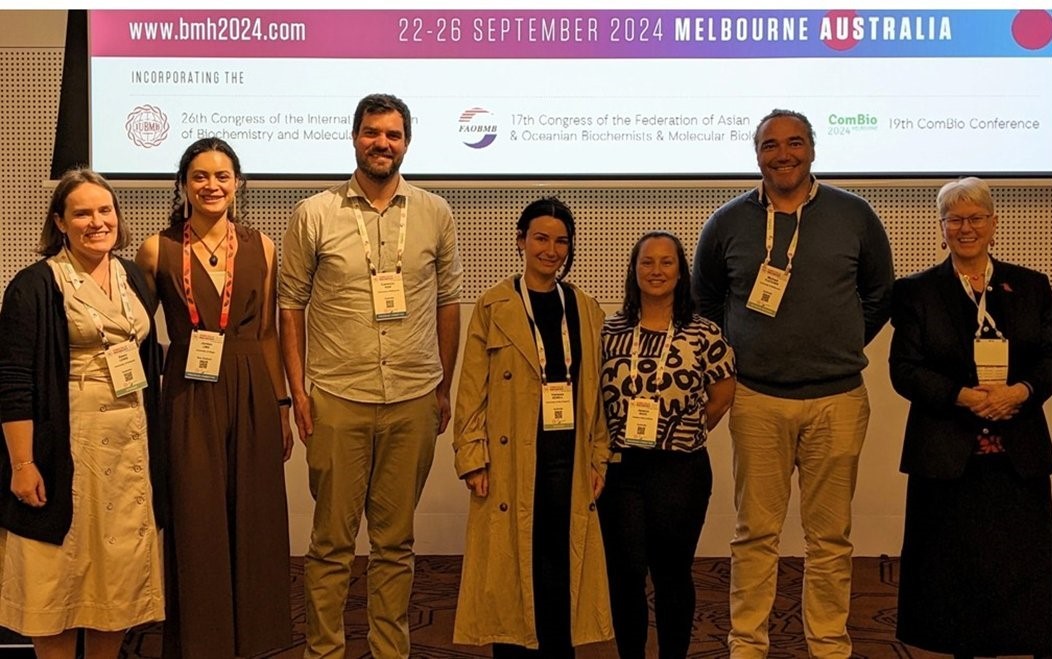
Dr Jessica Buck, a researcher at The Kids Research Institute Australia Cancer Centre and a Kamilaroi woman, is on a mission to address the unique challenges faced by Aboriginal and Torres Strait Islander children with cancer.
Trailblazing Aboriginal doctor and health researcher Professor Alex Brown has been made a Fellow of the Australian Academy of Technological Sciences and Engineering (ATSE) in recognition of his leadership in ensuring Indigenous peoples are at the forefront of genomics efforts nationally and internationally.
From the forest to the desert, across rivers and oceans, we have pioneered groundbreaking research to improve the health and happiness of kids
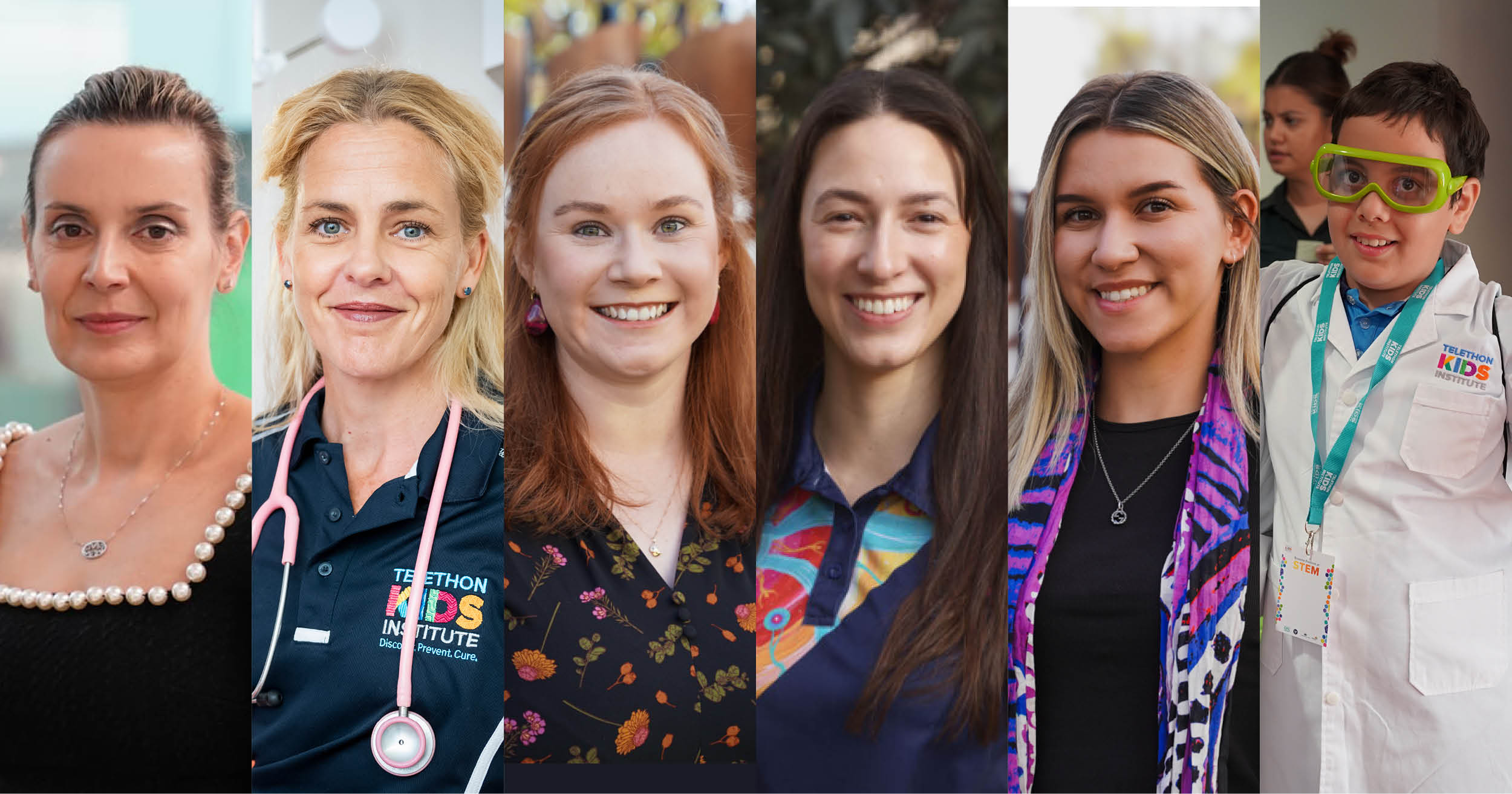
Five The Kids Research Institute Australia researchers and a popular Institute-led science festival for kids have been named as finalists in the 2024 Premier’s Science Awards.
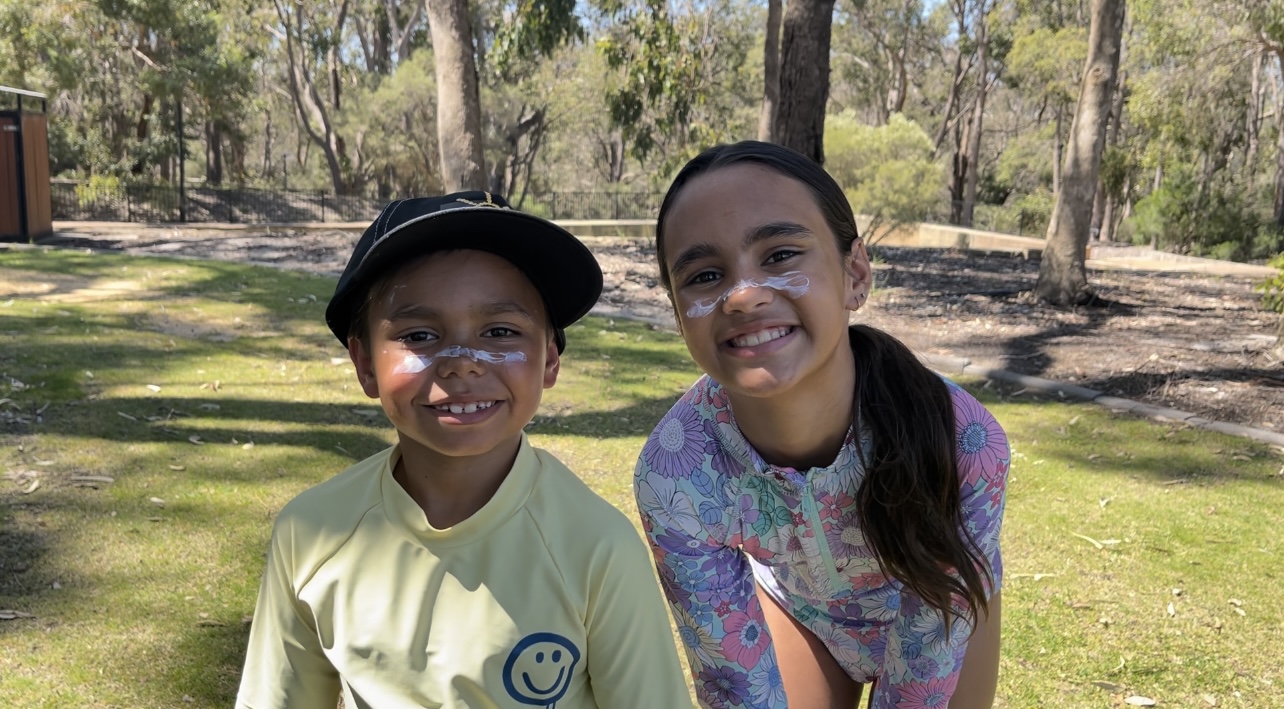
Vital research promoting sun smart choices and skin cancer prevention for young Aboriginal people is now underway at The Kids Research Institute Australia thanks to a $100,000 Perpetual 2024 IMPACT Philanthropy grant.

Despite national and global reports of rising incidences of cancer affecting children and young people, a new analysis has found rates of childhood cancer have remained unchanged over the last 30 years in South Australia and the Northern Territory.
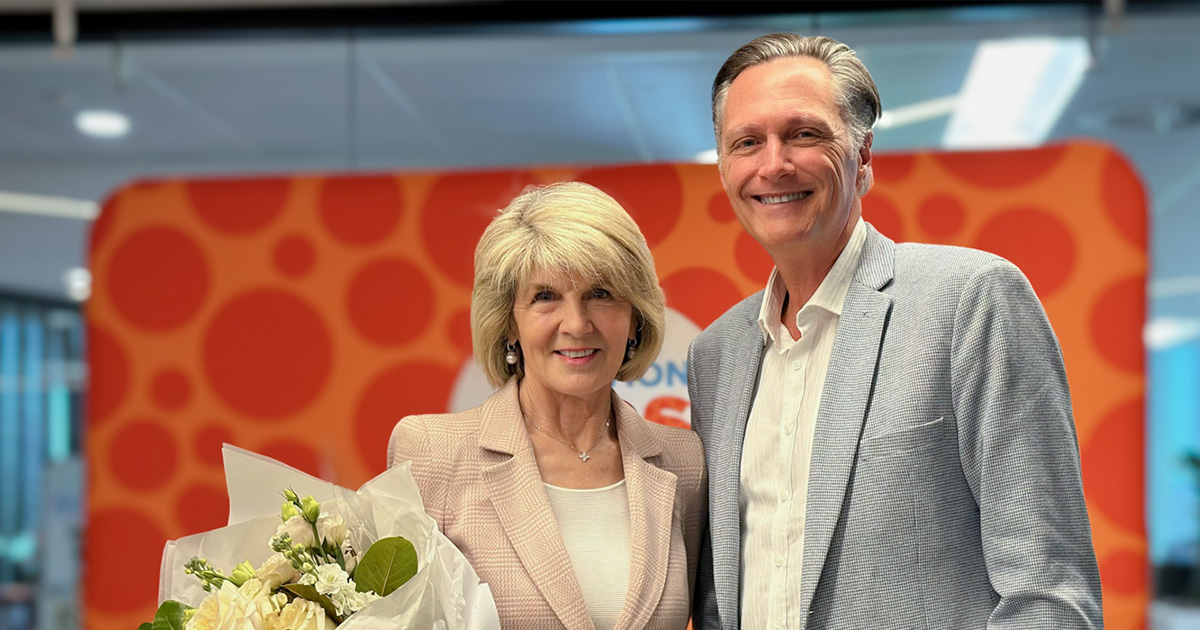
The Chair of The Kids Research Institute Australia, the Hon Julie Bishop, has stepped down after five years to allow her to focus on her critical role as the United Nations Secretary General’s Special Envoy on Myanmar.