
Search
Showing results for "lung disease preterm"
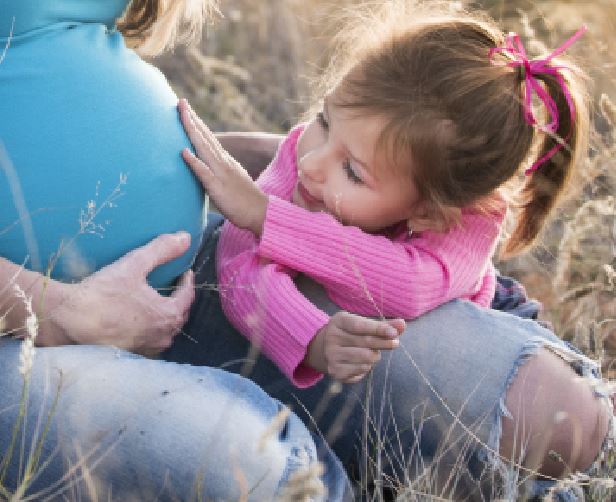
The Kids Research Institute Australia researchers leading the Western Australian site of a global respiratory syncytial virus (RSV) study can now fine-tune development of a world-first vaccine for pregnant mothers.
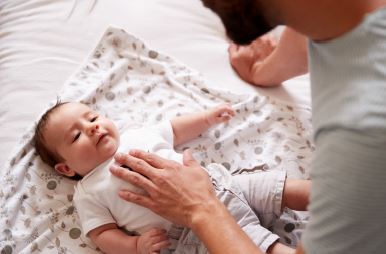
Babies worldwide could have access to life-saving influenza vaccinations from just eight weeks of age thanks to researchers at The Kids Research Institute Australia and the generous support of the Telethon community.
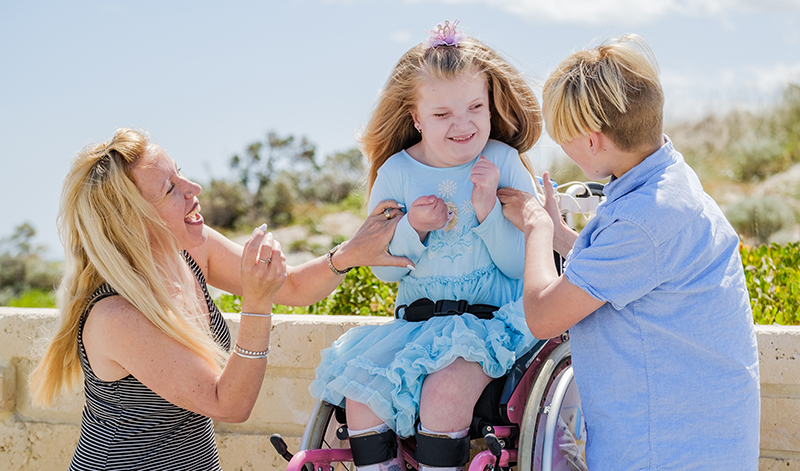
In WA, 60,000 kids live with a rare disease, and of those about half do not have a diagnosis. At The Kids, researchers are leading the charge in developing a method to identify genetic variations, so that kids like Charlotte can get answers.
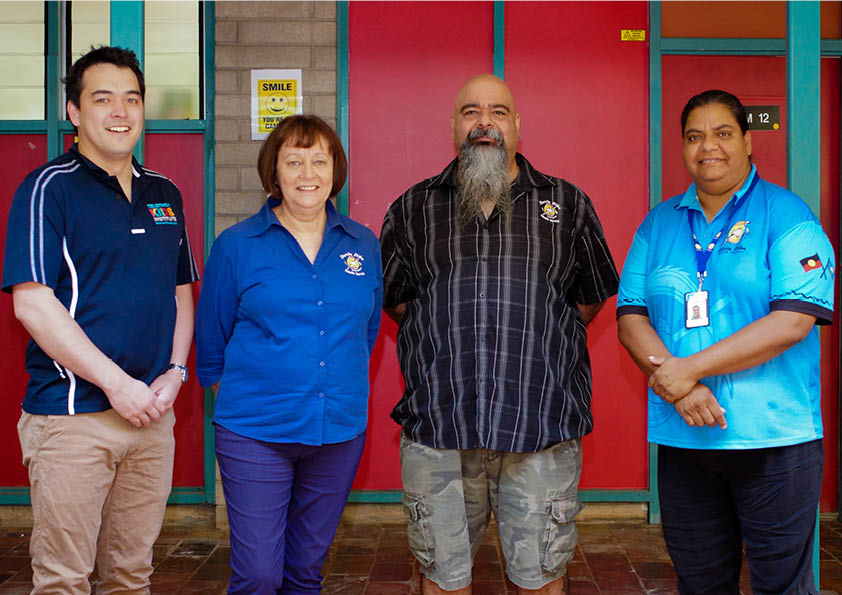
The Kids Research Institute Australia and Menzies School of Health Research have joined forces with Danila Dilba Health Service to look at improving treatment for RHD.
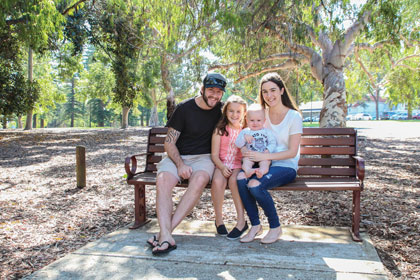
Michelle Pianta knew deep down something was very wrong with her seven-and-a-half month old son Jackson as she waited at Bunbury Hospital for his blood results.
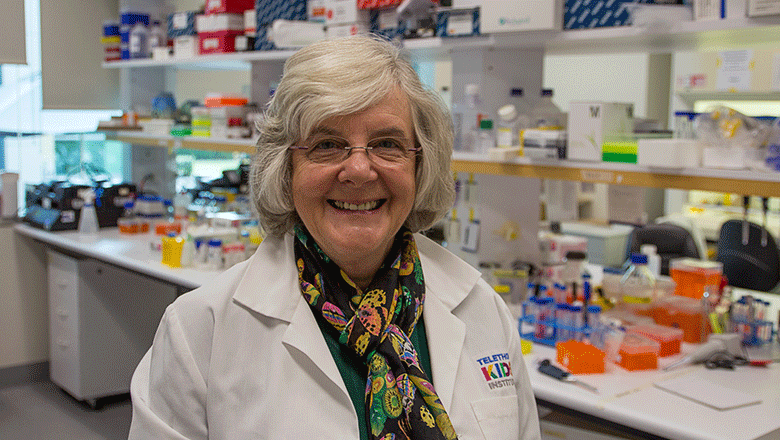
An internationally recognised researcher at The Kids Research Institute Australia has been made a Fellow of the Australian Academy of Science
The Telethon Adventurers have announced a new research fellowship to investigate the genes involved in childhood brain tumours.
The Telethon Institute for Child Health Research today announced a new study investigating a vaccine to prevent infection of Human Papilloma Virus (HPV).
Asha Dylan Janessa Tim Bowen Barth Pickering Barnett BA MBBS DCH FRACP PhD GAICD FAHMS OAM B.Tech, MPH, PhD BSc PhD PhD Head, Healthy Skin and ARF
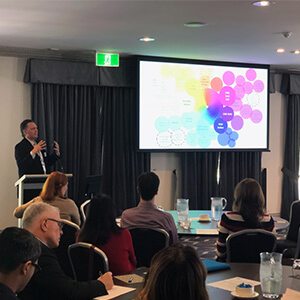
Between 3rd - 5th May 2018, researchers from Australia, New Zealand, South Africa, and the United States (representing their Uganda collaboration) convened in Fremantle, Western Australia to attend the Strep A Spectrum Meetings: from Science to Strategy.