Skip to content
The Kids Research Institute Australia logo
Donate

Search

Impact of the Play Active policy intervention on early childhood educator's sedentary behaviour-related practices, psychosocial influences and meeting policy recommendations

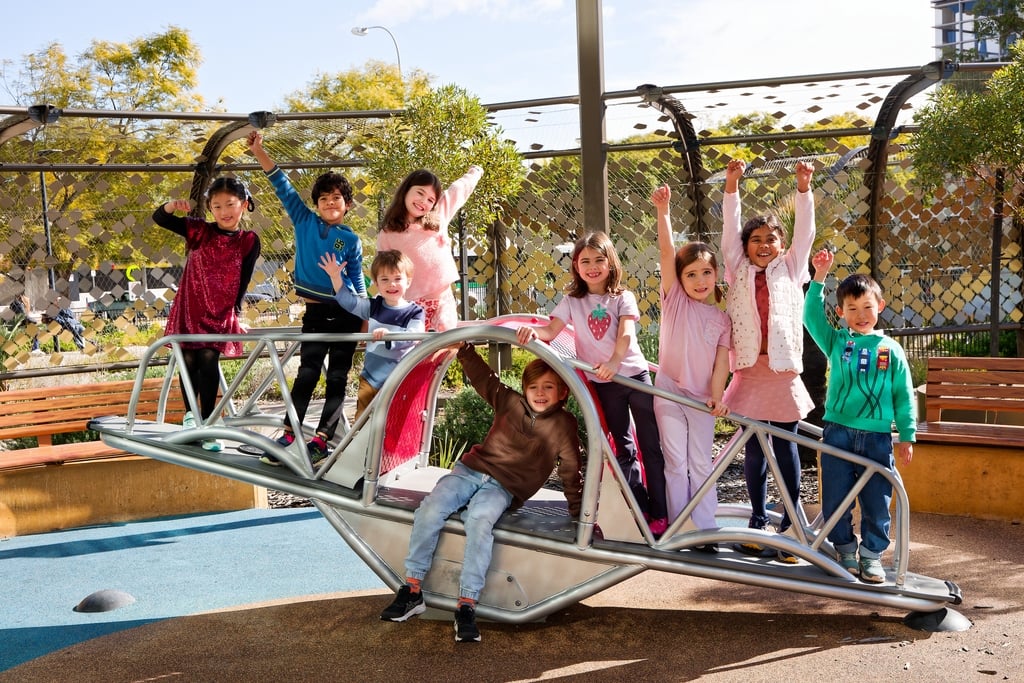
High levels of sedentary behaviour are associated with poor child health outcomes such as obesity. Early childhood education and care (ECEC) services are a key intervention setting. Most ECEC policy-based interventions focus on children's nutrition and physical activity with few aimed at children's sedentary behaviour.

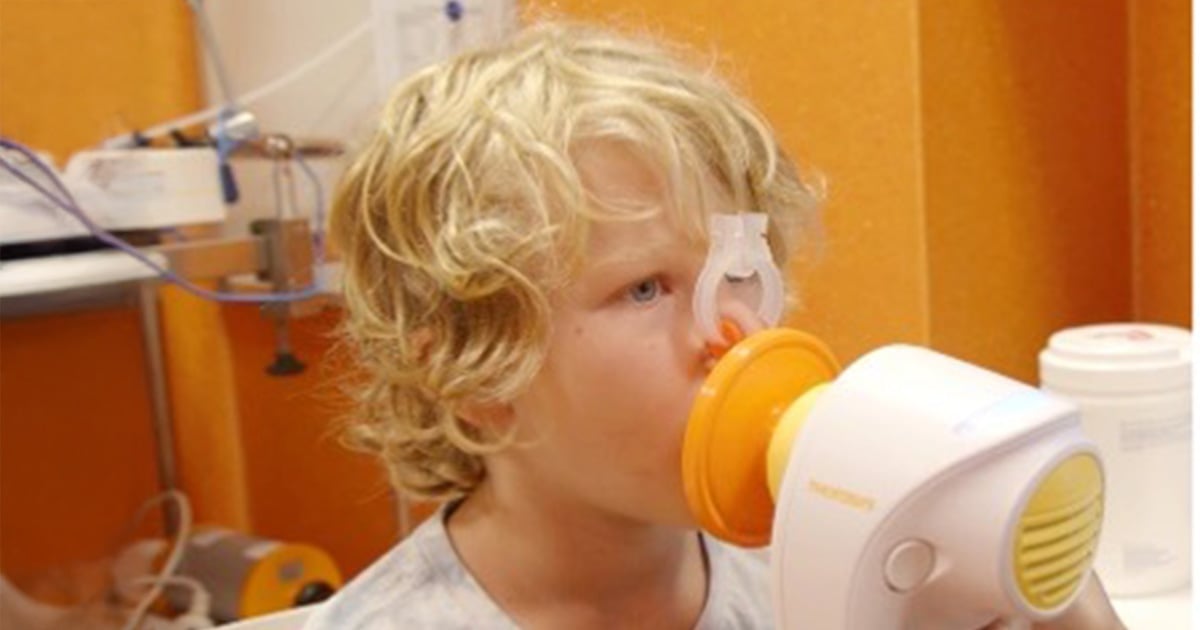
Oscillometry: clinical significance and applications

Respiratory oscillometry (or the forced oscillation technique) is a highly practical lung function test that can be applied in a wide range of clinical scenarios in children and adults, including the clinic, intensive care unit, patient home monitoring and emergency departments. Oscillometry measurements complement spirometry in detecting abnormal lung function, measuring effects of treatment such as inhaled corticosteroids or bronchodilators, and changes due to disease activity.

Can lung disease be averted by focusing on early-life inequities?

Shannon Simpson BMedSci (hons), PhD Head, Strong Beginnings Research, Co-head Foundations of Lung Disease 08 6319 1631 Shannon.simpson@thekids.org.au

Identifying High-Risk Bacteria with Active Nasal Swab Surveillance in Intensive Care Units to Prevent Ventilator-Associated Pneumonia

Active nasal surveillance culture (ANSC) is recognized to enable rapid detection of antibiotic-resistant bacteria in the intensive care unit (ICU), which can contribute to the prevention of Ventilator-associated pneumonia (VAP). This study aims to evaluate the usefulness of ANSC in assessing the development of VAP in ICU patients.

A core outcome set to assess chronic pain interference and impact on emotional functioning for children and young people with cerebral palsy

Aim: To: (1) develop a core outcome set (COS) to assess chronic pain interference and impact on emotional functioning for children and young people with cerebral palsy (CP) with varying communication, cognitive, and functional abilities; (2) categorize the assessment tools according to reporting method or observer-reported outcome measures; and (3) categorize the content of tools in the COS according to the International Classification of Functioning, Disability and Health (ICF).

Renal Masses in Childhood: An Australian Perspective

Childhood renal masses comprise a heterogeneous group of conditions that have a wide range of presentations. This review outlines an approach to the diagnostic work-up of childhood renal masses and discusses the most common presentations and treatments. Renal tumours make up 5% of childhood cancer in Australia, with Wilms tumour being the most common under age 10 years.

Interactions between bacteria in the human nasopharynx: a scoping review

Emerging evidence indicates that interactions between bacteria shape the nasopharyngeal microbiome and influence respiratory health. This Review uses the systematic scoping methodology to summarise 88 studies including observational and experimental studies, identifying key interactions between bacteria that colonise the human nasopharynx. 

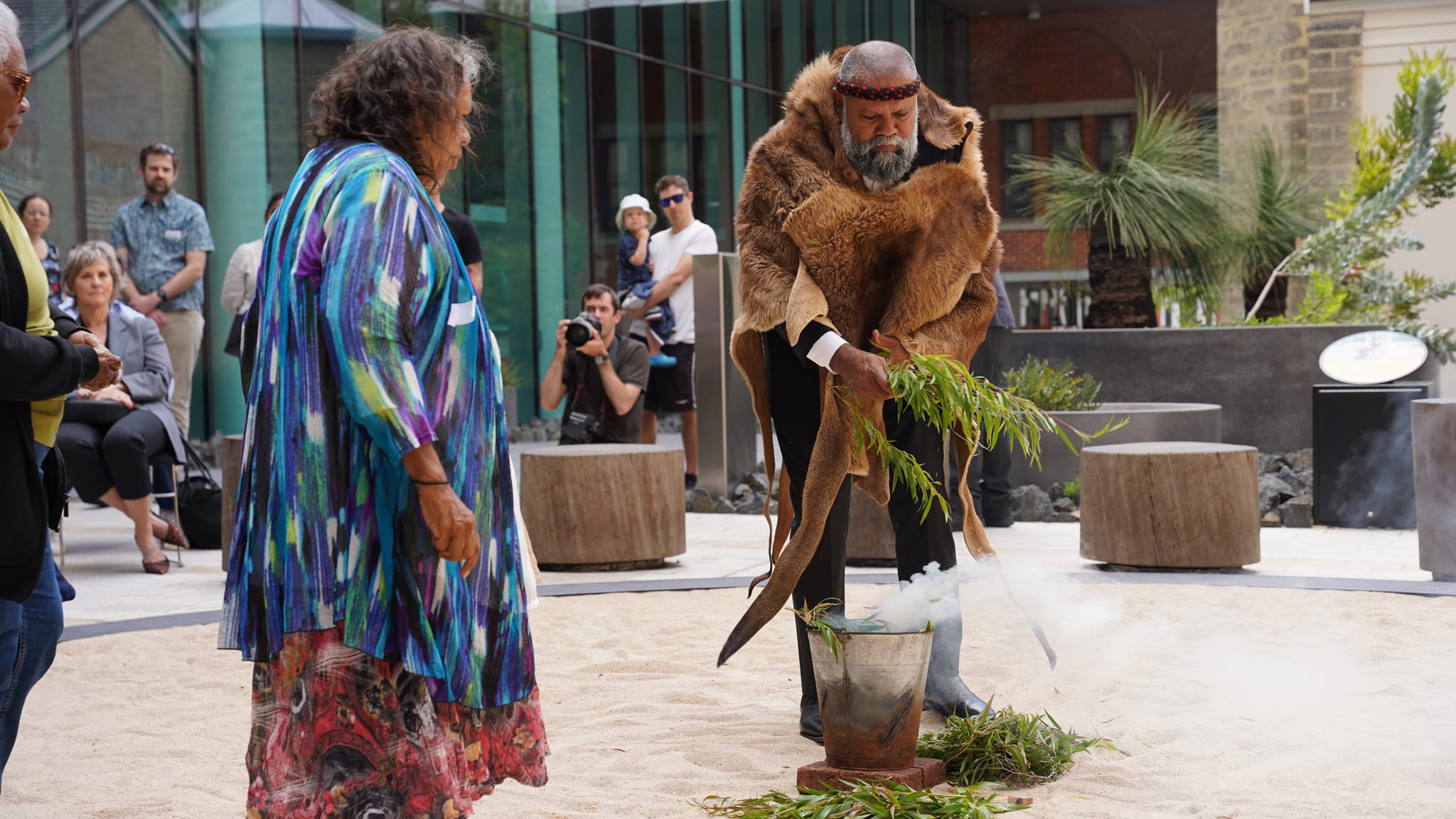
Oombarl Oombarl Joorrinygor-Slowly Slowly Moving Forward: Reflections From a Cross-Cultural Team Working Together on the See, Treat, Prevent (SToP) Trial in the Kimberley Region of WA

Reflexivity is crucial for researchers and health professionals working within Aboriginal health. Reflexivity provides a tool for non-Aboriginal researchers to contribute to the broader intention of reframing historical academic positivist paradigms into Indigenous research methodologies to privilege Aboriginal voices in knowledge construction and decision-making.

A call to action: the second Lancet Commission on adolescent health and wellbeing

Adolescents are the future leaders of our world. Ensuring their health and wellbeing—now and in the future—is one of the strongest mechanisms available to safeguard the collective future of humanity and to secure a more just society and a healthier and more productive planet. 

Age-related differences in trust beliefs during middle childhood: Downward-extension and validation of the general trust scale

There are conflicting suggestions concerning the developmental trend of trust beliefs during middle childhood. Across three studies, the current research developed a brief measure of child general trust beliefs, as well as child measures of trust in peers and online, and examined age-related differences in these beliefs.