Skip to content

Search

Showing results for "early childhood"

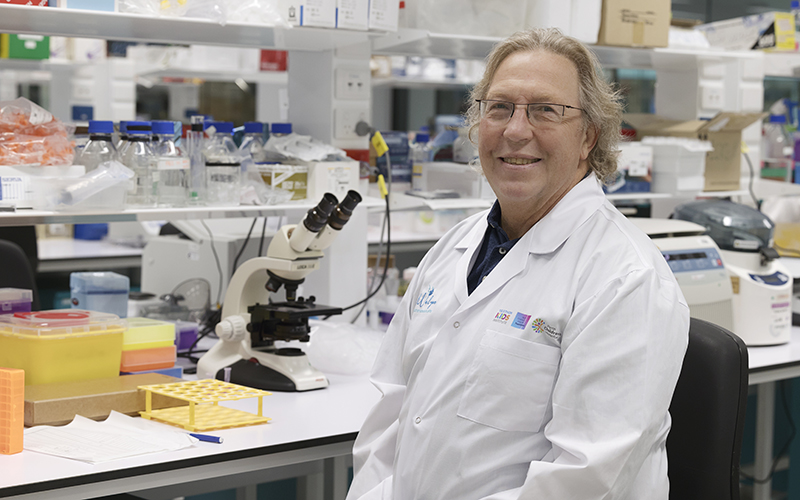
Cystic fibrosis research a Eureka Prize finalist

A world-leading cystic fibrosis research program, based at The Kids Research Institute Australia, is a finalist in the 2015 Australian Museum Eureka Prizes.

The CIRCA DIEM Sub-Studies

A sub-study is an ‘add-on’ study that helps to answer specific questions within a larger research project. If you decide to participate in the CIRCA DIEM study, you or your child may be invited to take part in one of the CIRCA DIEM sub-studies.

Community Involvement in the Centre

Community Involvement and Consumer Representatives are a really important part of our research. Find out what they have been working on.

Diabetes education at home trial

We recently ran a study to compare the traditional model of care with a family-friendly, slower-paced, home-based alternative.

Accentuating the positive to support student behaviour

One third of Australia’s children will be better supported at school, thanks to a The Kids Research Institute Australia evidence review of what works best to support student behaviour needs.

Pediatric Bronchiectasis Action Management Plan to Improve Clinical Outcomes: A Randomized Controlled Trial

Managing bronchiectasis exacerbations is a priority for patients, parents, and caregivers of children with bronchiectasis. However, evidence-based strategies among the pediatric population remain limited.

Paediatric Occupational Therapy

Find out more about Paediatric Occupational Therapy services at CliniKids.

Improving disease surveillance data analysis, interpretation, and use at the district level in Tanzania

An effective disease surveillance system is critical for early detection and response to disease epidemics. This study aimed to assess the capacity to manage and utilize disease surveillance data and implement an intervention to improve data analysis and use at the district level in Tanzania.

“Food faddists and pseudoscientists!”: Reflections on the history of resistance to ultra-processed foods

The term 'ultra-processed food' emerged in the 1980s, mostly used in reference to highly-processed convenience foods and snacks, often energy-dense, poor in nutrients, and inclusive of various synthetic additives such as emulsifiers, colors, artificial sweeteners, and/or flavor enhancers.

Perceived Support Needs of School-Aged Young People on the Autism Spectrum and Their Caregivers

With increasing demands for health, disability and education services, innovative approaches can help distribute limited resources according to need. Despite an increased focus on support needs within the clinical pathway and policy landscape, the body of research knowledge on this topic is at a relatively early stage. However, there appears to be a sense of unmet support needs and dissatisfaction with the provision of required support following an autism diagnosis amongst caregivers of young people on the spectrum.