
Search
Showing results for "mental health aboriginal"
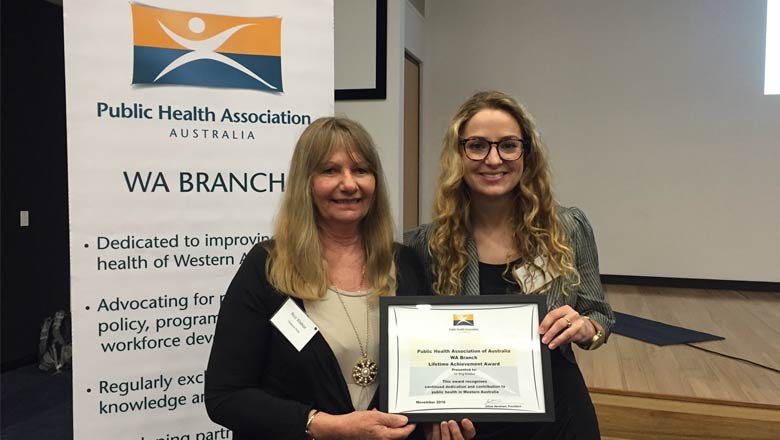
Two The Kids researchers working to improve the health & wellbeing of Aboriginal children & their families have both been honoured at the PHAA Awards.
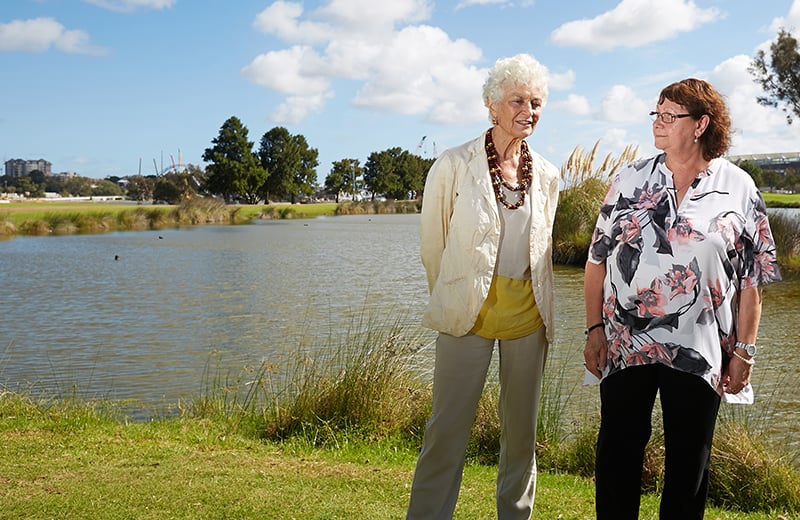
A study confirming Aboriginal children are now 10 times more likely than non-Aboriginal children to be placed in out-of-home care has prompted researchers to call for urgent action to prevent further intergenerational trauma.
The burden of bronchiectasis is disproportionately high in Aboriginal adults, with early mortality. Bronchiectasis precursors, that is, protracted bacterial bronchitis and chronic suppurative lung disease, often commence in early childhood.
Results highlight the need for a culturally appropriate information and education of the importance of chronic wet cough in children
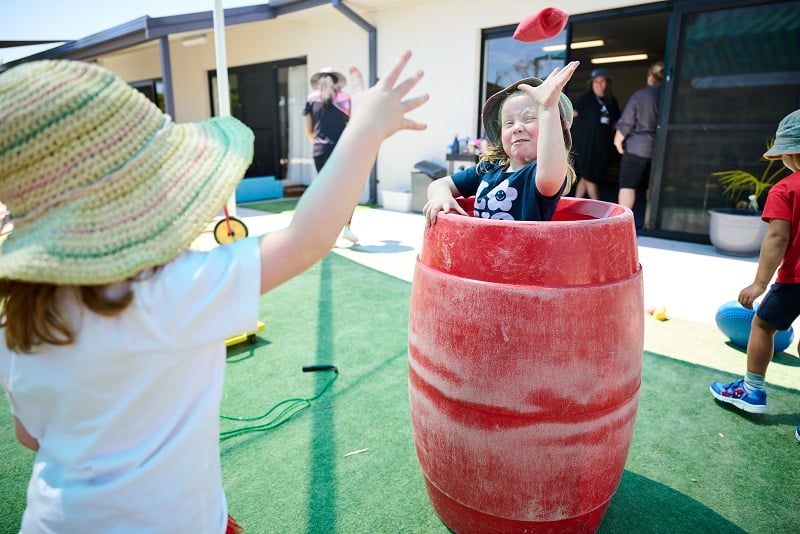
Our Child Physical Activity, Health and Development team focuses on improving children’s physical activity levels, health and development. We work to uncover the best environments, policies and programs to facilitate physically active lifestyles for lifelong health and wellbeing.
The Royal Commission into Institutional Responses to Child Sexual Abuse commissioned The Kids Research Institute Australia to collaborate on a report
The Healthy Living Practices (HLPs) outline nine essential guidelines for maintaining health in remote Aboriginal communities, yet high costs and poor availability make them financially out of reach for many families. We assessed the cost and availability of essential goods required to support the HLPs in eight remote Kimberley community stores, recording prices during three visits in 2022 as part of the SToP (See, Treat, Prevent) Skin Sores and Scabies Trial, and retrospectively comparing these (inflation-adjusted) with Perth and Broome prices in 2024.
Delivering cancer control at scale for Aboriginal and Torres Strait Islander communities is a national priority that requires Aboriginal and Torres Strait Islander leadership and codesign, as well as significant involvement of the Aboriginal community-controlled health sector. The unique genomic variation observed among Aboriginal and Torres Strait Islander peoples may have implications for standard and precision medicine.
Poor environmental health is prevalent in remote Aboriginal communities and requires further delineation to inform environmental health policy
Our data set provides a useful reference point for genomic studies on Aboriginal Australians