
Search

Our type 1 diabetes community has said that one of the biggest challenges for young people participating in sport is that coaches do not know about or understand diabetes.
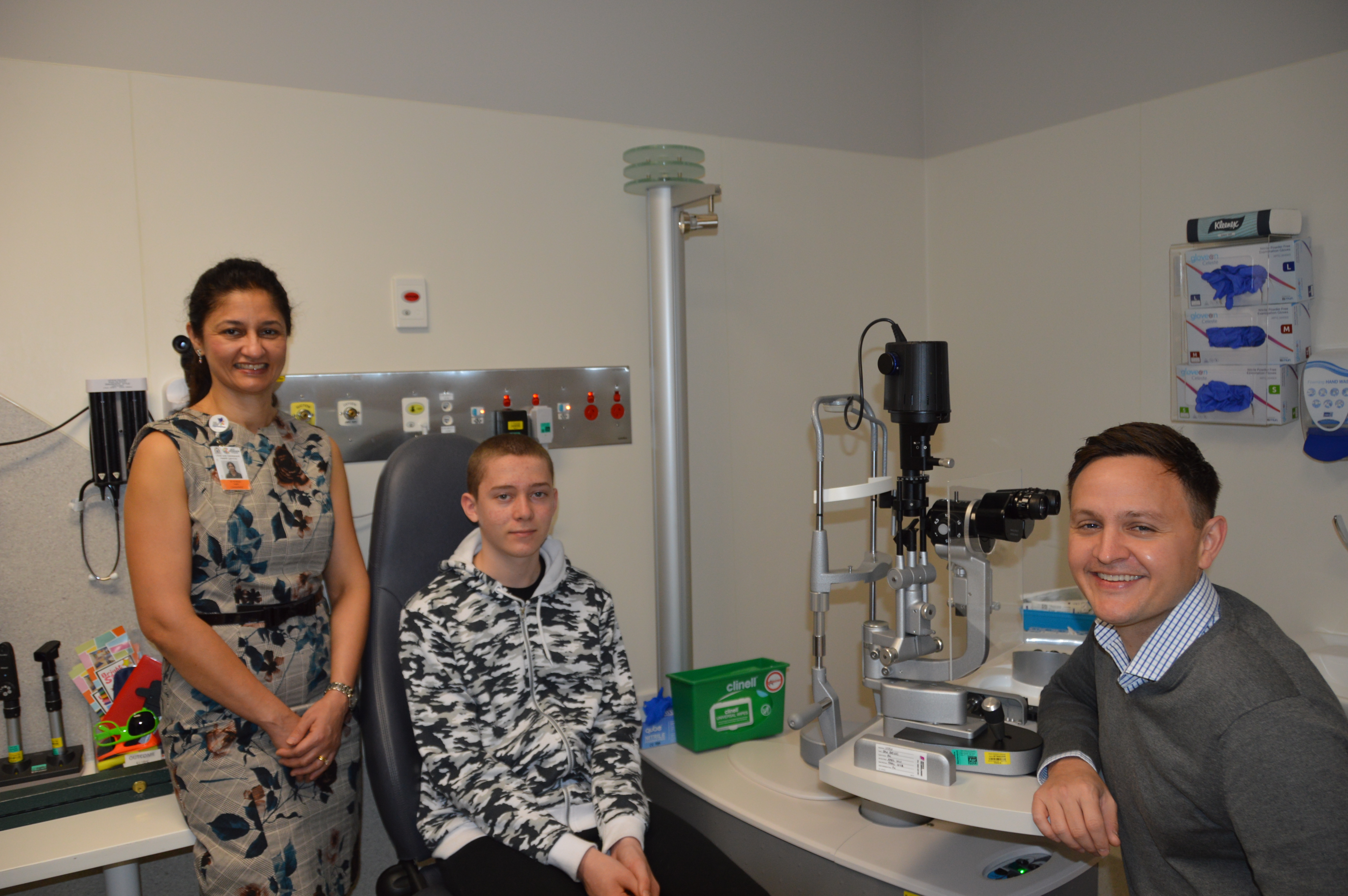
There's a new children’s clinic to revolutionise diabetic eye treatment here in WA. The clinic is a collaboration between the Lions Eye Institute and
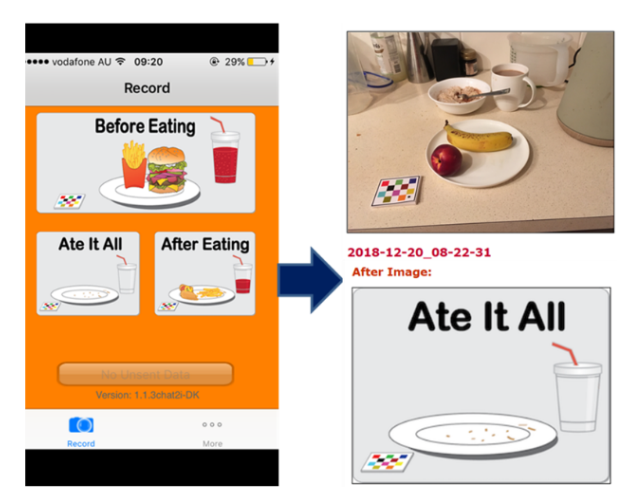
We are looking for people aged between 9 and 18 years with type 1 diabetes to participate in a mobile food study. You will be asked to take images of what you eat over a consecutive four-day period using the Mobile Food Record App. There will be no dietary restrictions in place during this period.
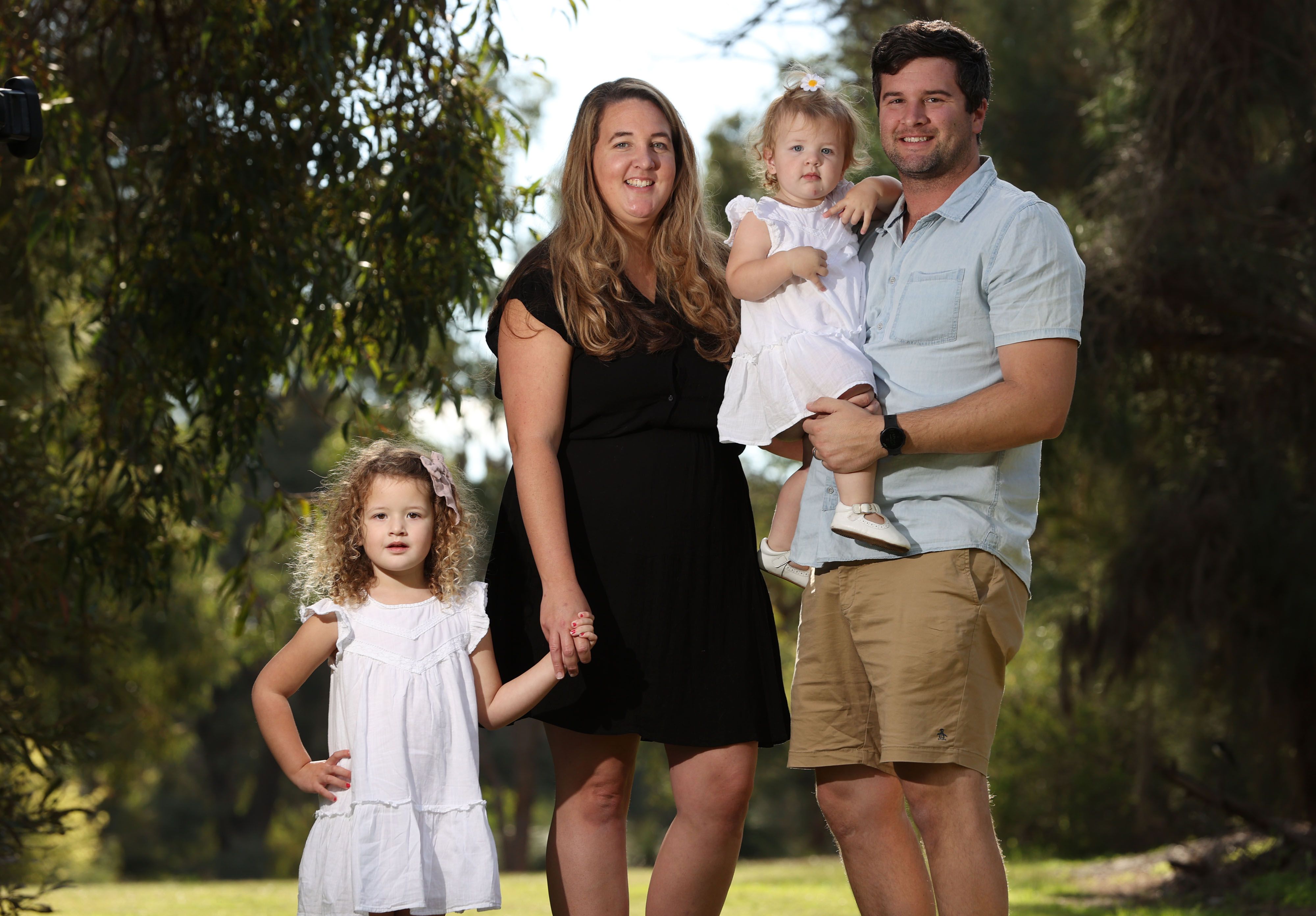
Kalani Hancock (1) and her sister Avalee (4) are part of a world-first study looking at changes in blood sugar patterns in very young children at risk of Diabetes. Dr Aveni Haynes from The Kids Research Institute Australia and Perth Children's Hospital is part of the team leading this ground breaking study.

We have been working with young people with T1D, other researchers and app developers to create a new smartphone exercise app called acT1ve.

Short term use of a hybrid closed loop system might preferentially benefit people with type 1 diabetes who have impaired awareness of hypoglycaemia (IAH), according to new research from the Children's Diabetes Centre.
It is important to make sure your school has an up-to-date diabetes management plan now that school has begun.

In order to meet the rising needs of all children with type 1 diabetes and their families in WA, PCH's Diabetes Service will offer additional clinics in 2021.
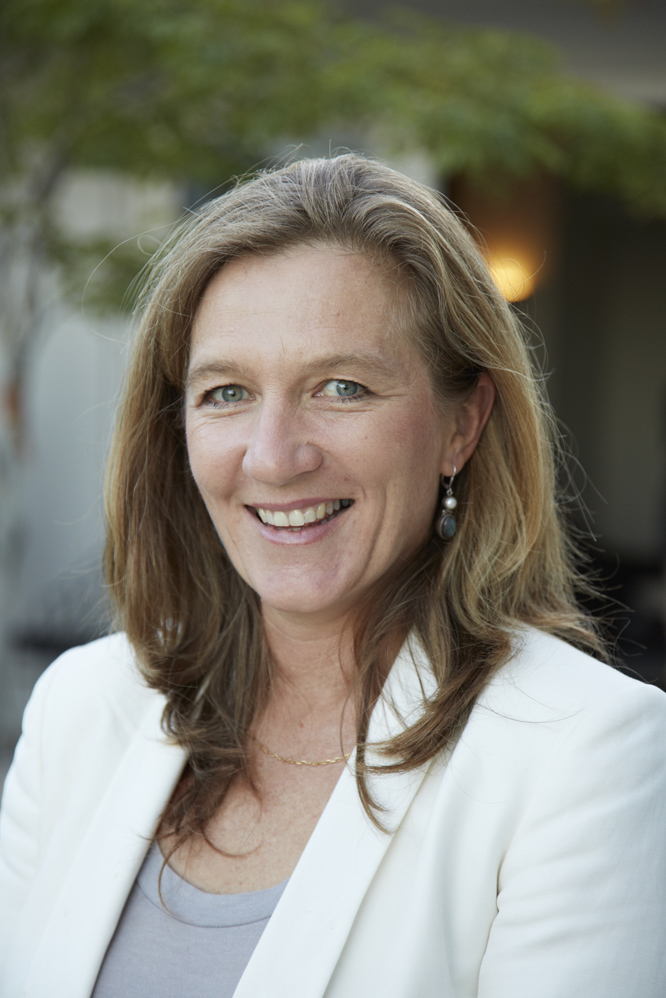
Professor Liz Davis, Head of Endocrinology and Diabetes at the Perth Children’s Hospital is one of three diabetes leaders to receive the Outstanding Achievement Award from Diabetes Australia.
Did you hear our head of nutrition research Dr Amelia Harray on ABC Radio recently? Listen to Amelia discuss tips to limit sugar on Halloween PLUS