Skip to content

Search

Showing results for "early childhood"

Six months of hybrid closed-loop therapy improves diabetes-specific positive well-being, and reduces diabetes distress and fear of hypoglycemia: secondary analysis of a controlled trial

This analysis aimed to investigate diabetes-specific psychological outcomes among adults with type 1 diabetes (T1D) using hybrid closed-loop (HCL) versus standard therapy. 

SampleExplorer: using language models to discover relevant transcriptome data

Over the last two decades, transcriptomics has become a standard technique in biomedical research. We now have large databases of RNA-seq data, accompanied by valuable metadata detailing scientific objectives and the experimental procedures used. The metadata is crucial in understanding and replicating published studies, but so far has been underutilized in helping researchers to discover existing datasets.

Real-world glycaemic outcomes in children and young people on advanced hybrid closed-loop therapy: A population-based study in Western Australia

To evaluate real-world glycaemic outcomes in children with type 1 diabetes commencing advanced hybrid closed loop therapy and to explore these outcomes based on the cohort's clinical and socioeconomic characteristics.

Psychomotor Vigilance Testing on Neonatal Transport: A Western Australian Experience

This study aimed to assess whether undertaking retrieval was associated with fatigue independent of sleep and circadian disruption. It also aimed to assess the feasibility of routinely measuring the psychomotor vigilance test on neonatal transport. Fatigue is associated with impaired clinician performance and safety.

Leaving no patient behind! Expert recommendation in the use of innovative technologies for diagnosing rare diseases

Genetic diagnosis plays a crucial role in rare diseases, particularly with the increasing availability of emerging and accessible treatments. The International Rare Diseases Research Consortium (IRDiRC) has set its primary goal as: "Ensuring that all patients who present with a suspected rare disease receive a diagnosis within one year if their disorder is documented in the medical literature". 

Contributions of digital technologies for resilience capacity in a type 1 diabetes transition clinic: A qualitative study

A type 1 diabetes (T1D) transition clinic in Sydney, Australia, provides age specific care for young adults (aged 16-25 years) and for adults (aged 21 years and above), and has reported improved clinical outcomes post transition to adult care over a 21-year period. This study investigated the contribution of digital technology to long-term resilient capacity of the clinic.

Lentiviral vector gene therapy and CFTR modulators show comparable effectiveness in cystic fibrosis rat airway models

Mutation-agnostic treatments such as airway gene therapy have the potential to treat any individual with cystic fibrosis (CF), irrespective of their CF transmembrane conductance regulator (CFTR) gene variants. The aim of this study was to employ two CF rat models, Phe508del and CFTR knockout to assess the comparative effectiveness of CFTR modulators and lentiviral vector-mediated gene therapy. 

Widespread haemorrhages in infants post-shunting (WHIPS): clinical features, risk factors and neuroimaging characteristics of a rare and under-recognised phenomenon

Infants undergoing CSF shunting procedures face a rare complication which we propose to rename "Widespread Haemorrhages in Infants Post-Shunting" (WHIPS) to better capture this unique phenomenon specific to infants undergoing CSF diversion. Our objective is to analyse the risk factors for WHIPS development and provide a detailed neuroradiological description of these haemorrhages.

Advances in Automated Insulin Delivery with the Medtronic 780G: The Australian Experience

To assess the real-world performance of MiniMed™ 780G for Australians with type 1 diabetes (T1D) following advanced hybrid closed loop (AHCL) activation and to evaluate the effect of changing from MiniMed 670/770G to 780G.

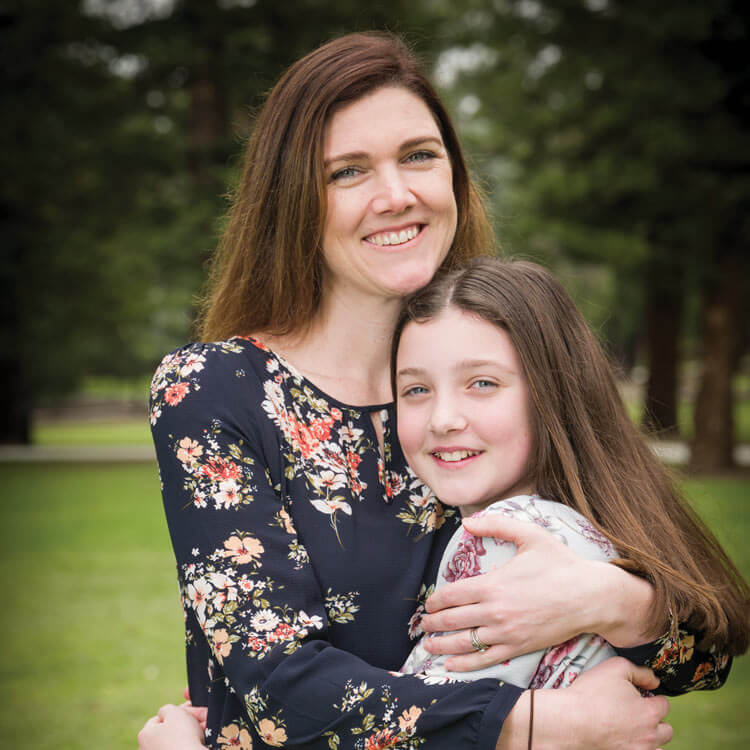
Charlotte loses locks to help cancer kids

You can make a difference to kids’ health at any age. Just ask 11-year-old Charlotte, who raised more than $11,000 for kids’ brain cancer research at The Kids Research Institute Australia simply by shaving her head.