
Search
Showing results for "mental health aboriginal"

Internationally-acclaimed Aboriginal researcher and clinician Professor Alex Brown will establish and lead a National Indigenous Genomics Consortium
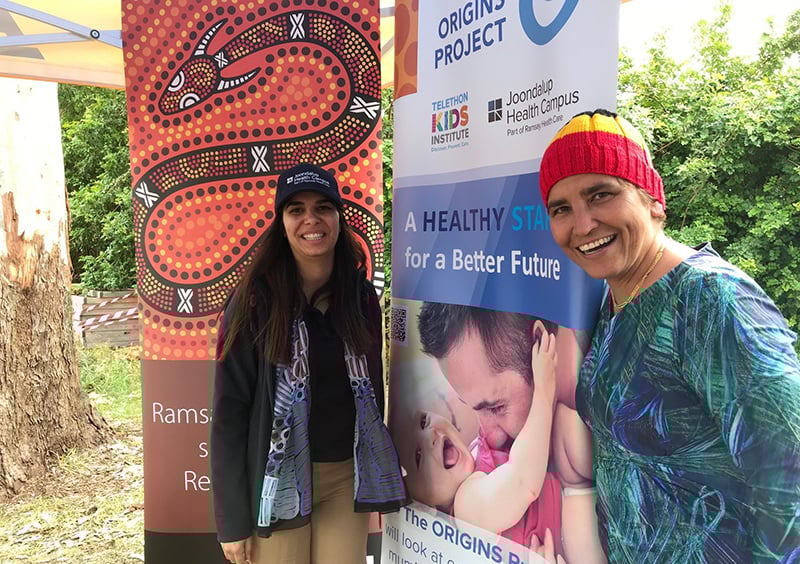
ORIGINS participated in the inaugural Wadjak Northside Social Emotional Wellbeing Expo on 24 October at the Wadjak Northside Aboriginal Community Centre.
Earlier this year we launched our Strategic Plan - Working Together 2013-2017. That statement has been developed into the Commitment to Aboriginal Children.
New research from The Kids for Child Health Research shows that the pneumococcal vaccine program has contributed to closing of the gap
The transition to formal schooling is a critical milestone in a child’s development. For Aboriginal children, early experiences are shaped by both cultural strengths and enduring impacts of colonisation. This study explored factors influencing Aboriginal families’ transition-to-school experiences in an urban Western Australian community.
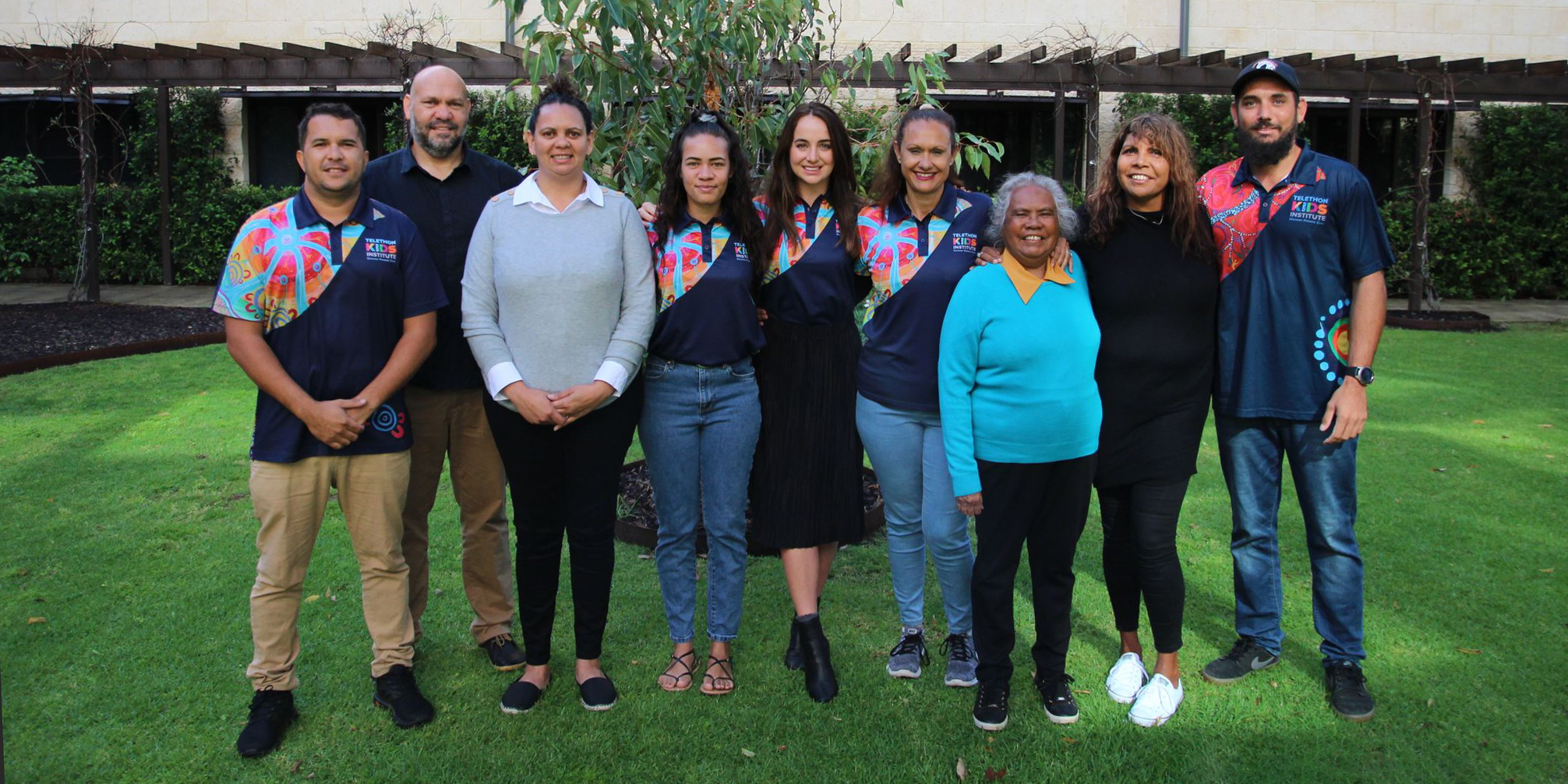
We are excited to launch our new Aboriginal Employment and Career Development Strategy (AECDS), aimed at building a culturally secure work environment by continuing to embed Aboriginal health & wellbeing into our research.
Graham Rachel Hall Foong BAppSci PhD CRFS FANZSRS FThorSoc FERS BSc (hons), PhD, MBiostat Honorary Research Associate Honorary Research Associate 08
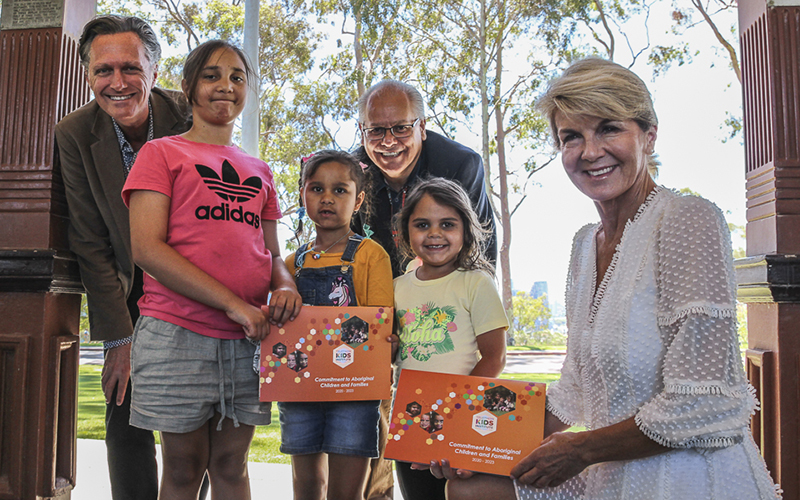
We will prioritise our partnerships with Aboriginal families and communities across Western Australia and beyond to improve the health and development of their children.
Limited available data indicate that dementia prevalence rates among Aboriginal and Torres Strait Islander (hereafter Aboriginal) peoples are 3–5 times higher than the overall Australian population. Effective, pragmatic and scalable interventions are urgently required to address this disproportionate burden of dementia in Aboriginal populations.
Indigenous populations globally have significantly high rates of type 2 diabetes compared to their non-Indigenous counterparts. This study aims to implement and evaluate the effectiveness of a culturally and contextually informed Aboriginal Diabetes Workforce Training Program on Aboriginal primary health care workforce knowledge, attitude, confidence, skill and practice relating to diabetes care.