
Search
Showing results for "mental health aboriginal"
Alcohol use in pregnancy is thought to be common in remote Australian communities, but no population-based data are available.
Findings from the Ngulluk Koolunga Ngulluk Koort (Our Children, Our Heart) Project community forums and focus groups.

AuStralian Collaboration to Enhance Neuro-Development
Children with complex needs and severe disability may undergo gastrostomy insertion to support feeding difficulties. Parent education programs are critical components of clinical care pathways but there is little information on parent-reported educational needs. This study describes the collaborative process that yielded a resource to assist parents considering gastrostomy tube placement for their children, and the evaluation of the resource.
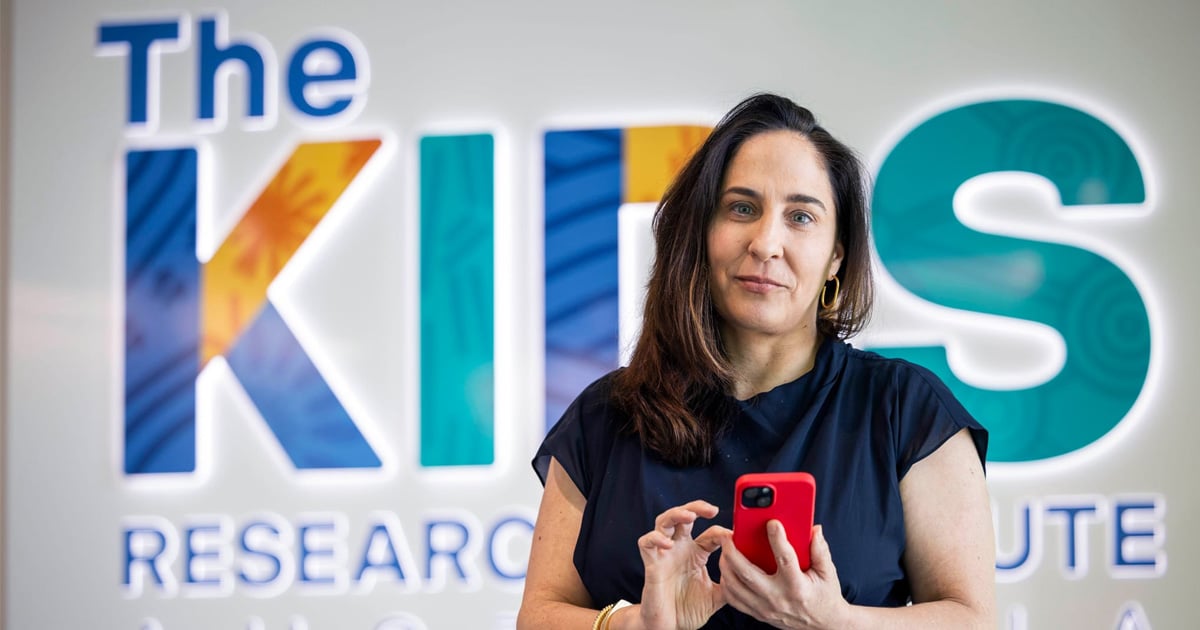
A unique national study to examine the impact of the Federal Government’s social media ban on families is being undertaken by The Kids Research Institute Australia, in collaboration The University of Western Australia and Edith Cowan University.
The Health Promotion and Education Research Program, led by Head Professor Donna Cross, combines over 14+ years of cyber safety research, involving over 30 projects investigating young people’s online behaviours, totalling over $5 million in funding since 2007.
Melissa Helen O'Donnell Leonard BPsych (Hons), MPsych, GradDip Ed, PhD MBChB MPH Honorary Research Associate Principal Research Fellow +61 419 956
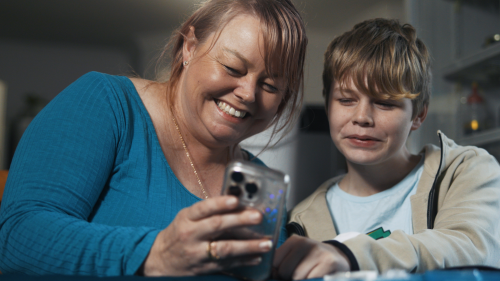
Innovative new digital platform set to transform diabetes care for WA families.
Septo-optic dysplasia (SOD) is a congenital disorder affecting 1 in 10,000 births, defined by the presence of at least two of a clinical triad, consisting of optic nerve hypoplasia, midline brain defects and pituitary hormone deficiency. Children with SOD may have vision impairment, hormonal deficiencies, developmental disorders, or epilepsy, but the clinical picture is highly variable. The complexity of SOD, its interplay with family factors, and the need for multiple specialty commitments can make the diagnosis period a challenging time for families.
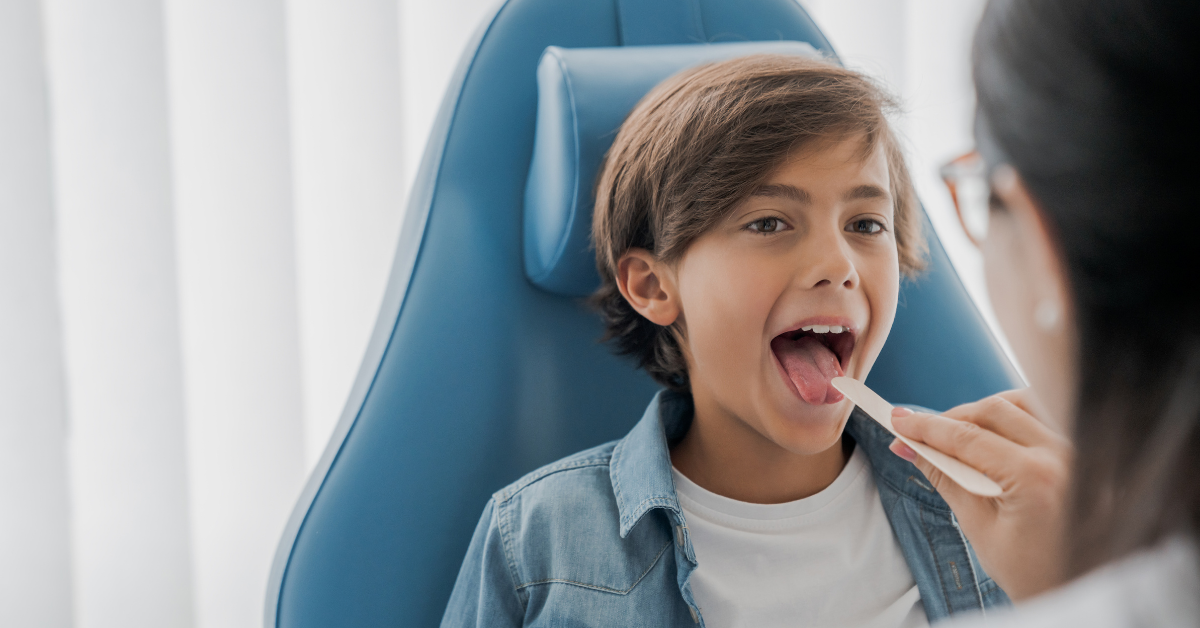
The Institute has become one of the world’s leading Strep A hubs, with multiple teams working in the Institute’s END RHD Program, headed by Associate Professor Asha Bowen, working to understand how Strep A works and find better ways to prevent and control the diseases it causes.