
Search
Dr Anthony Bosco, Professor Steve Stick, Professor Andrew Whitehouse, Dr Raelene Endersby and Dr Luke Garratt know how fortunate they are to have
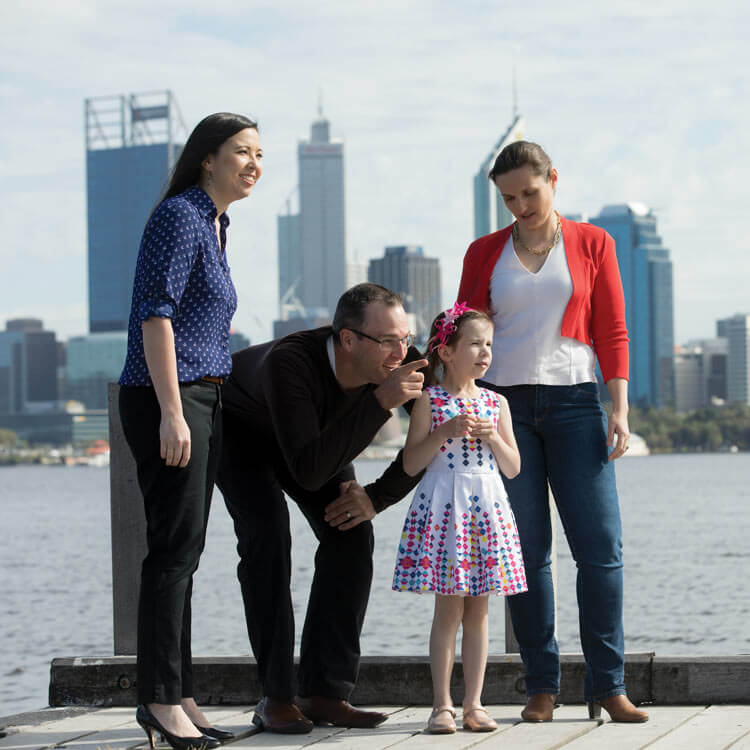
One of Australia’s leading cancer research centres continues to be powered by parents who decided to fight back. Hard.
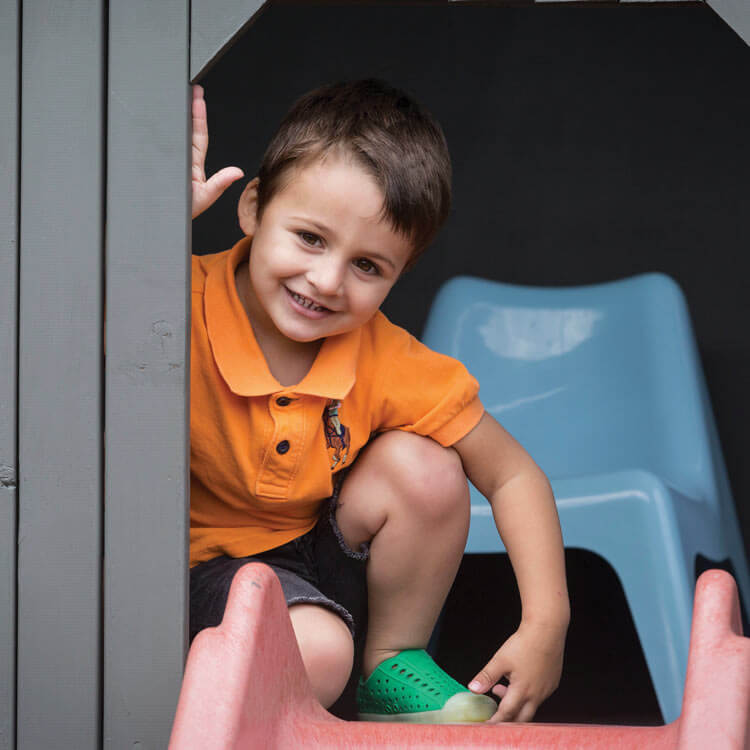
Early intervention in autism is proving a game changer.
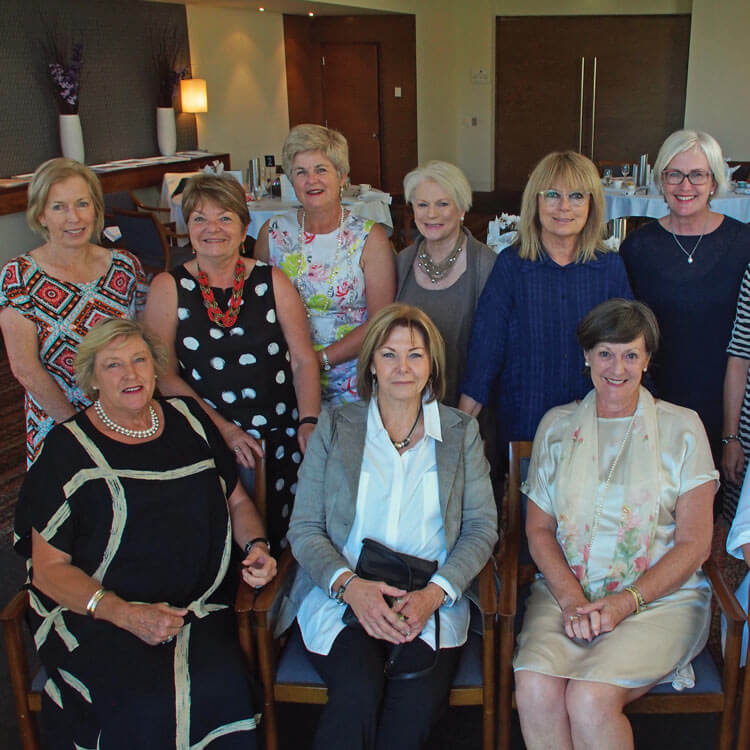
Meet the Friends of the Institute, a very impactful group of volunteers whose Friend-raising efforts have supported The Kids for more than 25 years.
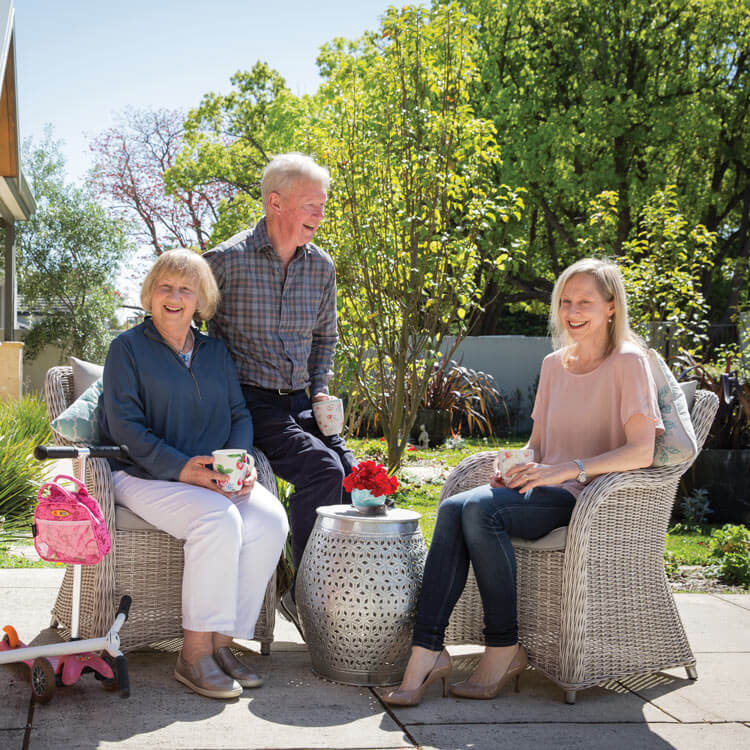
The Imogen Miranda Suleski Fellowship is an annual award for early-career post-doctoral researchers at The Kids Research Institute Australia.
Billionaire Stan Perron has made donations to The Kids as part of the Stan Perron Charitable trust totaling $500,000 a year. Read more about his generosity
Over 20 years Professor Harvey Oates has made financial contributions to The Kids totaling over 6 figures, as well as sitting on the board for 16 years.
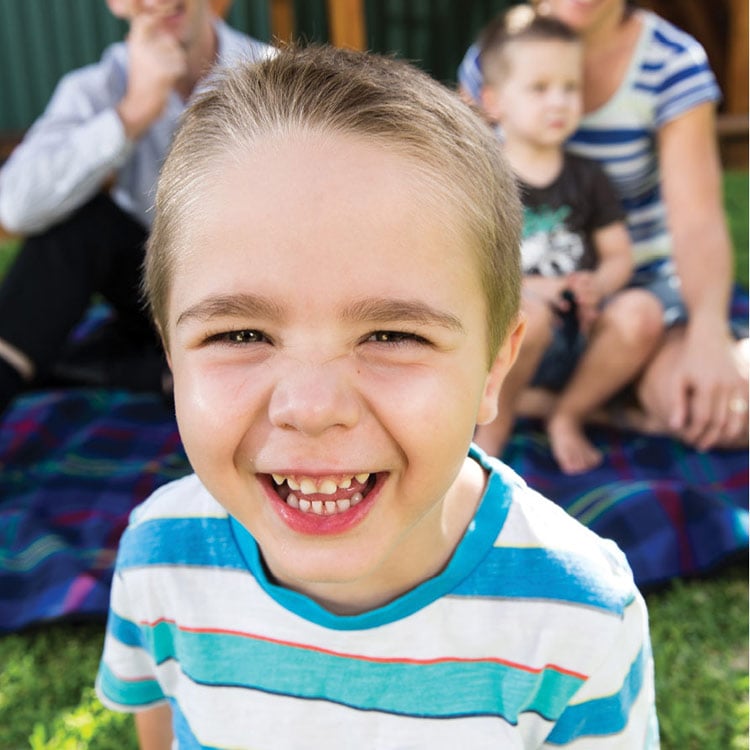
At 6 weeks old David was diagnosed as having cystic fibrosis. His parents say that his involvement in research offers them their greatest hope for his future.
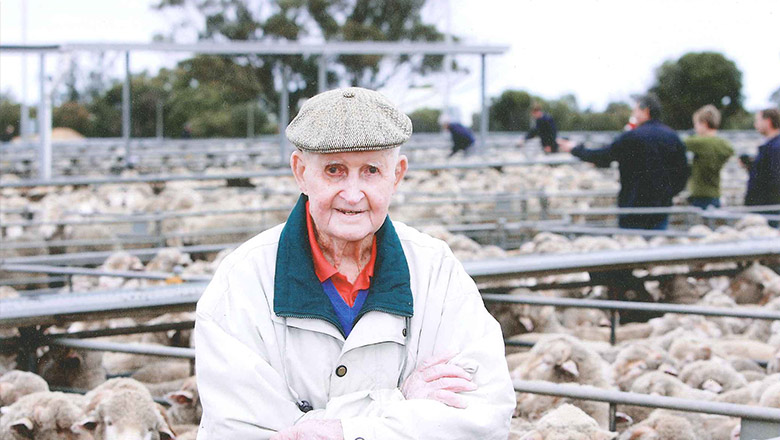
Kojonup couple George and Trish Church ensured their legacy of generosity and kindness lived on, by including The Kids in their will. Read more.
Illuminate Awards are a philanthropic initiative - shining a light on child health research to help all kids lead happy, healthy lives.