
Search
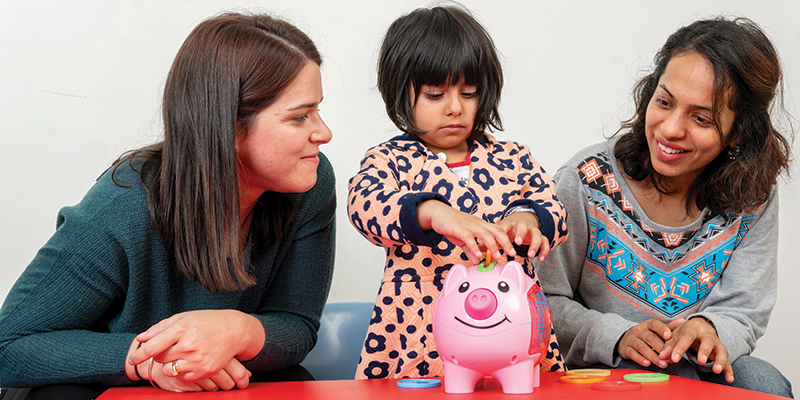
A unique new model developed by the The Kids autism research team marries cutting-edge research with clinical practice to offer families innovative, evidence-based interventions designed to help kids reach their full potential.
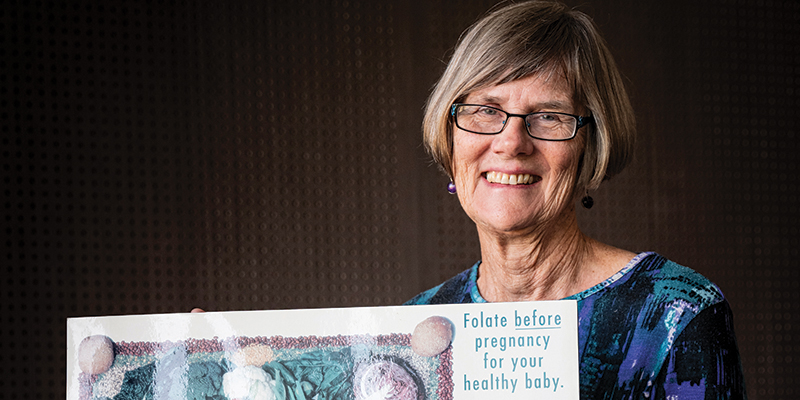
A key tool in the push to achieve mandatory folate fortification came in the form of data provided by the Western Australian Register of Developmental Anomalies (WARDA) – originally established by Professors Carol Bower and Fiona Stanley.
Researchers at the Children’s Diabetes Centre at The Kids Research Institute Australia have begun researching type 2 diabetes to tackle the rising incidence of the disease among young people in Australia.
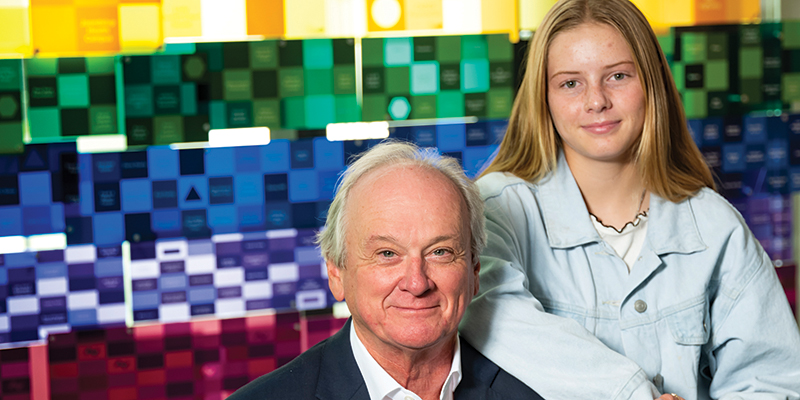
Recent diabetes technology is helping 12-year-old Drina keep on top of her condition and be independent, while significantly easing the disease burden on her family.
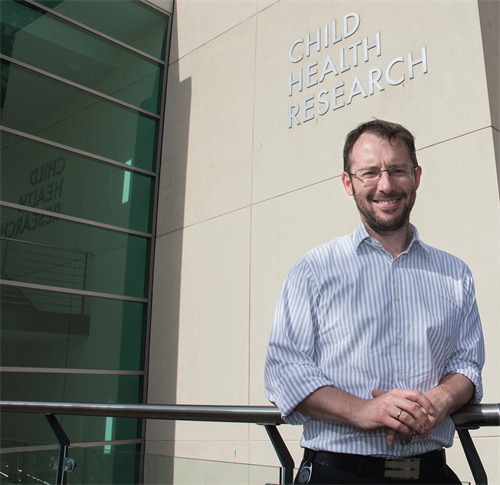
Researchers from The Kids Research Institute Australia and Curtin University will use a $3.9 million grant from the National Health and Medical Research Council to investigate whether a type of whooping cough vaccine could provide bonus protection against food allergies and eczema.
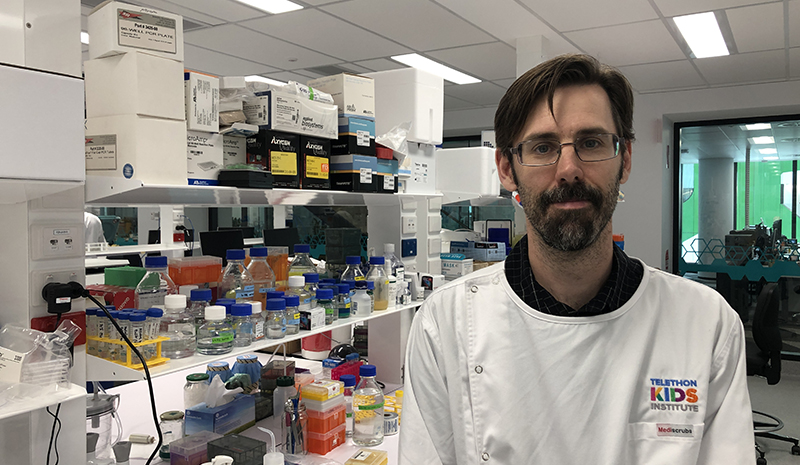
Six out of ten ‘nicotine-free’ e-cigarette liquids analysed by The Kids Research Institute Australia researchers contained nicotine as well as an acutely toxic chemical typically found in pesticides and disinfectants.
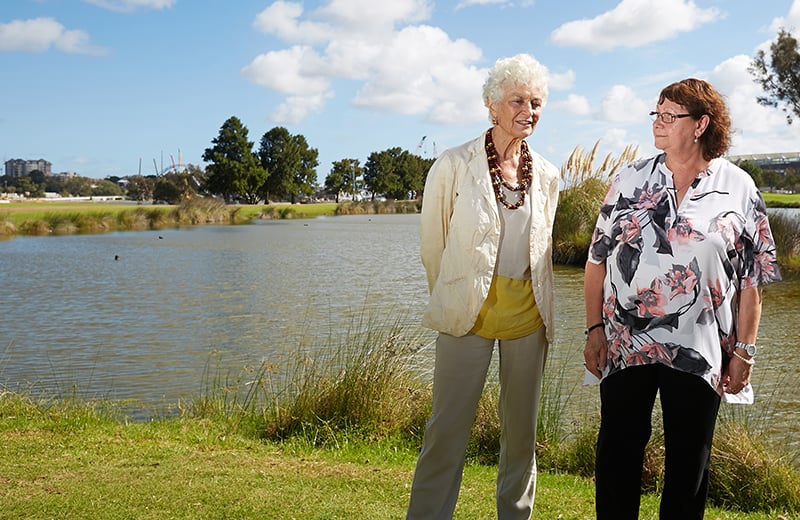
A study confirming Aboriginal children are now 10 times more likely than non-Aboriginal children to be placed in out-of-home care has prompted researchers to call for urgent action to prevent further intergenerational trauma.
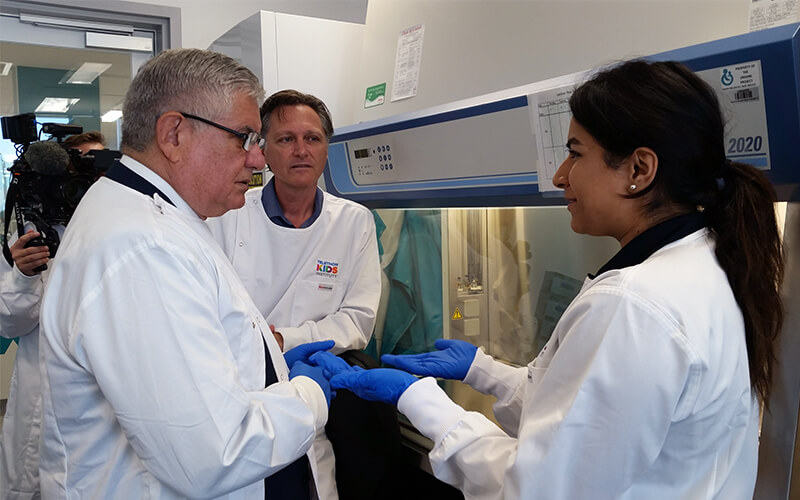
A vaccine to prevent rheumatic heart disease (RHD) and other life-threatening conditions caused by the common Strep A bacteria is a step closer thanks to funding announced by Minister for Indigenous Health, Hon Ken Wyatt AM, MP, in Perth today.
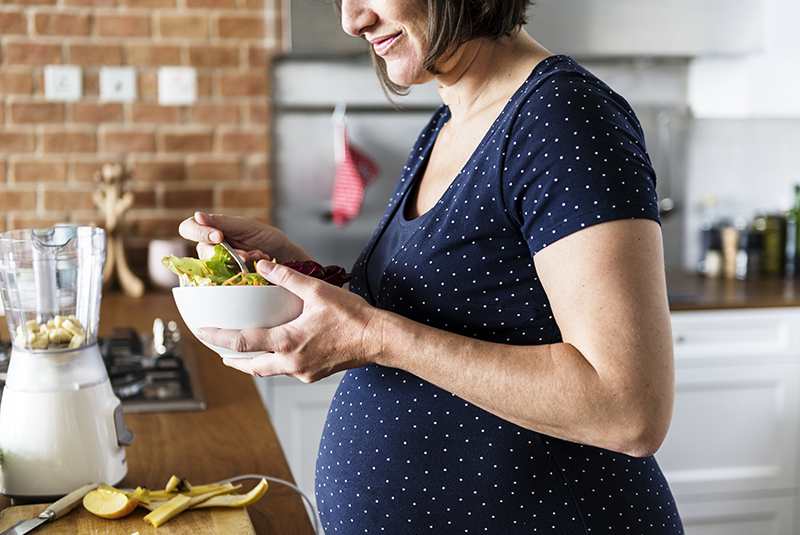
A healthy and balanced diet is important if you’re pregnant or planning a pregnancy.

Dr Tom Snelling from The Kids explains the top five things you should know about the virus and why having the measles vaccine is so important.