
Search
Showing results for "early childhood"
Shelley Prue Gorman Hart BSc (Hons) PhD BSc (Hons) MSc PhD Honorary Research Associate Honorary Research Fellow shelley.gorman@thekids.org.au
Raelene Nick Endersby Gottardo BSc (Hons) PhD MBChB FRACP PhD Brainchild Fellow; Co-Head, Brain Tumour Research team Co-Head, Brain Tumour Research
Raelene Nick Endersby Gottardo BSc (Hons) PhD MBChB FRACP PhD Brainchild Fellow; Co-Head, Brain Tumour Research team Co-Head, Brain Tumour Research
This study aimed to evaluate and compare the effectiveness of two brief written anti-stigma resources.
Congratulations Dr Nicole Hill, who has been honoured at this year’s prestigious 40under40 Awards for her outstanding contributions to suicide prevention research in Australia.
Dr Alex Brown to take up a new appointment as Professor of Indigenous Genomics.
As Australia battles with COVID-19 outbreaks across all mainland states, there is a sense of familiar dread as major cities plunge into lockdown.
The Kids Research Institute Australia researchers have urged Australia’s Food Safety Ministers to hold their nerve and resist alcohol industry efforts to water down health labels that will protect Australian babies from the lifelong effects of Fetal Alcohol Spectrum Disorder (FASD).
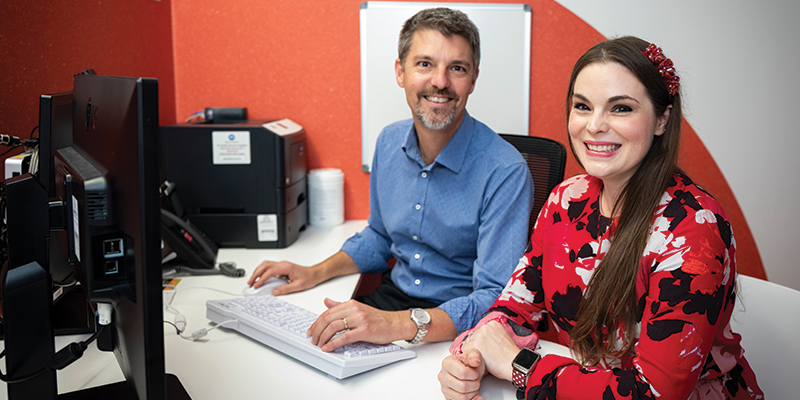
One of the biggest problems facing young people with neuromuscular disorders is the risk of breathing problems caused by muscle weakness during sleep.
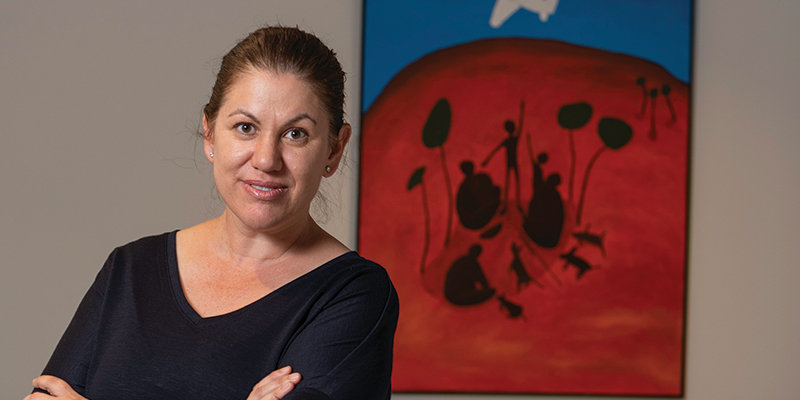
Telethon Kids Institute data linkage research confirming young people who have experienced out-of-home care face serious disadvantage.