
Search
About 2 per cent of children are estimated to have an intellectual disability. The cause of the condition is unknown in at least 50 per cent of cases.
The science that interprets the way nutrients and other substances in food affect maintenance, growth, reproduction, health and disease.
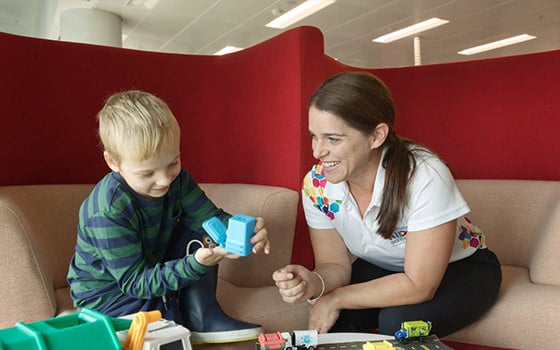
The importance of play for a child’s development is irrefutable. Playgroups provide a safe environment for children of similar ages to play and develop prior to starting school.
A severe neurodevelopmental disorder mostly affecting girls.
Rheumatic heart disease (RHD) is the most important cause of acquired cardiovascular disease in children and young adults. Virtually non-existent in most of Australia, it still predominantly affects Aboriginal communities.
Diabetes is the name for a number of different metabolic disorders in which the body's healthy levels of blood sugar (glucose) can't be maintained.Diabetes can have a significant impact on quality of life should complications develop. Diabetes can affect the individual's entire body.

Whooping cough (pertussis) is a highly contagious respiratory infection which causes a severe cough and can be particularly dangerous to babies under a year old. Vaccination is the best way to reduce the risk of whooping cough.
Occurring in 1% of school-aged children, Tourette syndrome is a neurodevelopmental disorder characterised by uncontrollable movements and vocalisations known as tics.

While individual diseases are rare, as a group, rare diseases are common. Recent estimates suggest that between 3% and 6% of the world’s population are affected by rare disease.
Our vision is to increase awareness and improve outcomes for children with movement disorders and other neurodevelopmental conditions impacting on motor function.