Skip to content

Search

Showing results for "lung disease preterm"

Health system and environmental factors affecting global progress towards achieving End TB targets between 2015 and 2020

Health system and environmental factors play a significant role in achieving the World Health Organization End Tuberculosis (TB) targets. However, quantitative measures are scarce or non-existent at a global level. We aimed to measure the progress made towards meeting the global End TB milestones from 2015 to 2020 and identify health system and environmental factors contributing to the success.

Geospatial mapping of drug-resistant tuberculosis prevalence in Africa at national and sub-national levels

o map subnational and local prevalence of drug-resistant tuberculosis (DR-TB) across Africa. We assembled a geolocated dataset from 173 sources across 31 African countries, comprising drug susceptibility test results and covariate data from publicly available databases. We used Bayesian model-based geostatistical framework with multivariate Bayesian logistic regression model to estimate DR-TB prevalence at lower administrative levels.

Impact of Parent-Reported Antibiotic Allergies on Pediatric Antimicrobial Stewardship Programs

Antimicrobial stewardship (AMS) is crucial for optimizing antimicrobial use and restraining emergence of antimicrobial resistance. The overall increase in reported antibiotic allergies in children can pose a significant barrier to AMS, but its impact on clinical AMS care in children has not been addressed.

The Feasibility of Personalized Endpoints in Assessing Treatment Outcomes for Rare Diseases: A Pilot Study of Goal Attainment Scaling in SCN2A-Associated

For individuals living with rare neurodevelopmental disorders, particularly those who are at the most severe end of the spectrum, standardized outcome measures may lack the sensitivity to capture small but meaningful changes. 

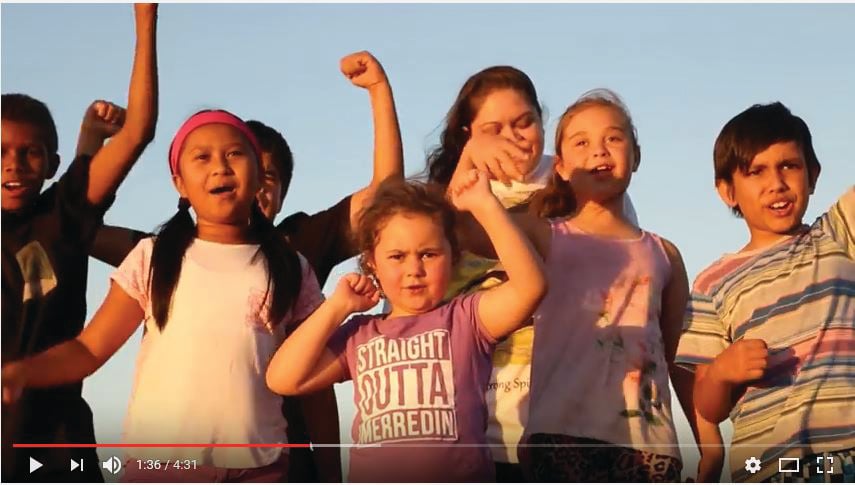
Skin health of urban-living Aboriginal children attending a primary care Aboriginal Community Controlled Health Organisation clinic

Despite increasing urbanisation, little is known about skin health for urban-living Aboriginal children and young people (CYP, aged <18 years). This study aimed to investigate the primary care burden and clinical characteristics of skin conditions in this cohort. 

Characterization of Gram-negative Bloodstream Infections in Hospitalized Australian Children and Their Clinical Outcomes

Gram-negative bloodstream infections (GNBSIs) more commonly occur in children with comorbidities and are increasingly associated with antimicrobial resistance. There are few large studies of GNBSIs in children that relate the clinical presentation, pathogen characteristics, and outcomes. 

Navigating the teen years

Teenage years can be a challenging time for families, a period made all the more difficult if a child has Type 1 Diabetes.

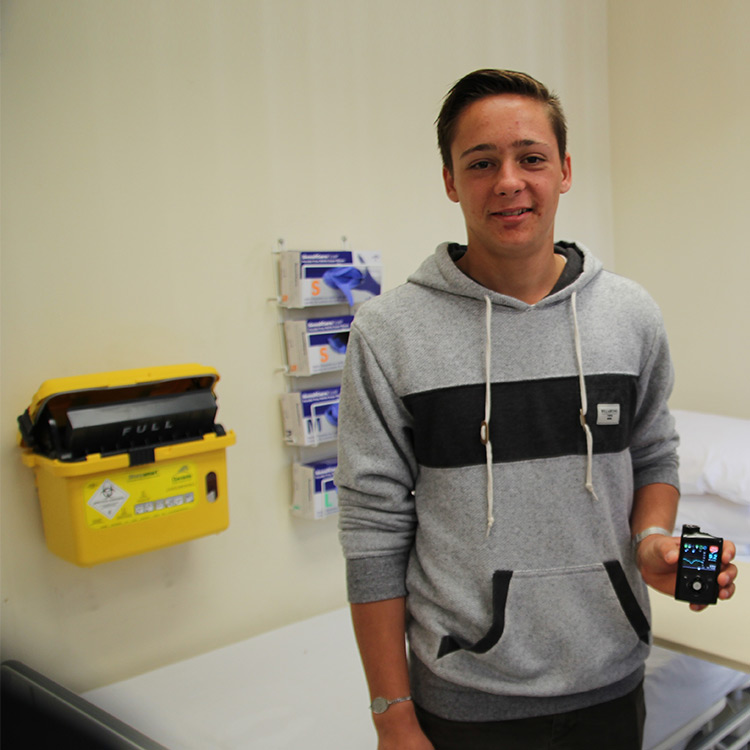
Insulin pump helps to predict and prevent hypos

New research from the Children’s Diabetes Centre has found a pump that suspends insulin delivery when BGLs fall can halve the incidence of hypoglycaemia.

Bianca gives back

Meet Bianca Bertrand – she’s a glass half-full rather than half-empty person, always looking at the positives in life, especially when it comes to managing T1D

The lowdown on yoghurt

Among all the yoghurt options in the dairy aisle, how do you know if you are making a healthy choice?