Skip to content
The Kids Research Institute Australia logo
Donate

No results yet

Search

Research

Nationally Subsidized Continuous Glucose Monitoring: A Cost-effectiveness Analysis

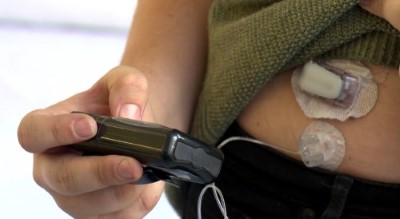
The Continuous Glucose Monitoring (CGM) Initiative recently introduced universal subsidized CGM funding for people with type 1 diabetes under 21 years of age in Australia. We thus aimed to evaluate the cost-effectiveness of this CGM Initiative based on national implementation data and project the economic impact of extending the subsidy to all age-groups.

Research

Feasibility of unsedated lung MRI in young children with cystic fibrosis

Kathryn Ramsey BSc (Hons), PhD Co-Head, Foundations of Lung Disease kathryn.ramsey@thekids.org.au Co-Head, Foundations of Lung Disease Associate

Research

Development of prognostic model for preterm birth using machine learning in a population-based cohort of Western Australia births between 1980 and 2015

Preterm birth is a global public health problem with a significant burden on the individuals affected. The study aimed to extend current research on preterm birth prognostic model development by developing and internally validating models using machine learning classification algorithms and population-based routinely collected data in Western Australia.

Research

Rural workforce challenges: Why not rural psychiatry?

The Australian psychiatry workforce is under-subscribed and highly urbanised. Currently, 90% of psychiatrists work in the cities, and there are significant projected workforce shortages of psychiatrists throughout Australia, particularly in rural and remote locations.

Research

The effects of prenatal bisphenol A exposure on brain volume of children and young mice

Bisphenol A (BPA) is a synthetic chemical used for the manufacturing of plastics, epoxy resin, and many personal care products. This ubiquitous endocrine disruptor is detectable in the urine of over 80% of North Americans.

Research

Qualitative assessment of healthy volunteer experience receiving subcutaneous infusions of high-dose benzathine penicillin G (SCIP) provides insights into design of late phase clinical studies

Secondary prophylaxis to prevent rheumatic heart disease (RHD) progression, in the form of four-weekly intramuscular benzathine benzylpenicillin G (BPG) injections, has remained unchanged since 1955. Qualitative investigations into patient preference have highlighted the need for long-acting penicillins to be delivered less frequently, ideally with reduced pain.

Research

Geldanamycin treatment does not result in anti-cancer activity in a preclinical model of orthotopic mesothelioma

Mesothelioma is characterised by its aggressive invasive behaviour, affecting the surrounding tissues of the pleura or peritoneum. We compared an invasive pleural model with a non-invasive subcutaneous model of mesothelioma and performed transcriptomic analyses on the tumour samples.

Research

No association between in utero exposure to emissions from a coalmine fire and post-natal lung function

Studies linking early life exposure to air pollution and subsequent impaired lung health have focused on chronic, low-level exposures in urban settings. We aimed to determine whether in utero exposure to an acute, high-intensity air pollution episode impaired lung function 7-years later.

Research

Blinatumomab Added to Chemotherapy in Infant Lymphoblastic Leukemia

KMT2A-rearranged acute lymphoblastic leukemia (ALL) in infants is an aggressive disease with 3-year event-free survival below 40%. Most relapses occur during treatment, with two thirds occurring within 1 year and 90% within 2 years after diagnosis. Outcomes have not improved in recent decades despite intensification of chemotherapy.

Research

The effect of CFTR modulators on structural lung disease in cystic fibrosis

Newly developed quantitative chest computed tomography (CT) outcomes designed specifically to assess structural abnormalities related to cystic fibrosis (CF) lung disease are now available. CFTR modulators potentially can reduce some structural lung abnormalities. We aimed to investigate the effect of CFTR modulators on structural lung disease progression using different quantitative CT analysis methods specific for people with CF (PwCF).